A moving walkway hums under your feet, while a long shadow lined with ragged teeth slides silently across the glass above your head.
Barcelona Aquarium, or L’Aquàrium de Barcelona in Catalan, sits at the tip of the Moll d’Espanya pier in Port Vell, the old harbour of Barcelona. It opened in September 1995 and is one of the largest aquariums in Europe, as well as one of the city’s most popular attractions. More than 11,000 animals live here in 35 tanks, including one of the most complete collections of Mediterranean marine life in the world. The highlight is the Oceanarium, which you pass through in an 80-metre underwater tunnel as sharks and rays glide overhead.
In this article you’ll find what to see inside, how long a visit takes and whether it’s worth your time. You’ll also get practical tips on tickets and getting there, a few ideas for the rest of your day around Port Vell and three hotels within walking distance.
💰 Hotel 54 Barceloneta - A small hotel on the Barceloneta waterfront with a rooftop terrace over the marina.
🏨 H10 Port Vell 4* Sup - A stylish four-star hotel a few minutes’ walk from the aquarium, with a rooftop pool.
💎 W Barcelona - The iconic sail-shaped hotel on Barceloneta beach, with a spa and sea views.
What makes the Barcelona Aquarium special?
Most big aquariums try to show the whole underwater world at once. L’Aquàrium de Barcelona does that too, but its heart is the Mediterranean Sea. Many of the tanks recreate habitats from the water right outside the door: rocky coasts, seagrass meadows, sandy bottoms and the dark depths off the Catalan coast. It’s a rare chance to see the sea creatures you might swim alongside off the beaches of Barceloneta or the Costa Brava.
The aquarium celebrated its 30th anniversary in 2025 with a major makeover. The renovation added Europe’s largest interactive digital floor at the entrance, a new immersive room, a mangrove area and new Mediterranean and tropical aquariums. Information panels now come in four languages, including English, so you can understand what you’re looking at without a guide. There’s also a strong emphasis on marine conservation, with displays about plastic in the sea and protecting ocean ecosystems.
Is the Barcelona Aquarium worth it?
It depends on who you’re travelling with. For families, the answer is almost always yes. Children love the shark tunnel, the penguins and the hands-on Explora! zone. The whole visit is indoors, so it’s ideal for a rainy day or a scorching August afternoon. Couples and solo travellers on a short city break may prefer to see Sagrada Família or Park Güell first and keep the aquarium as a bonus.
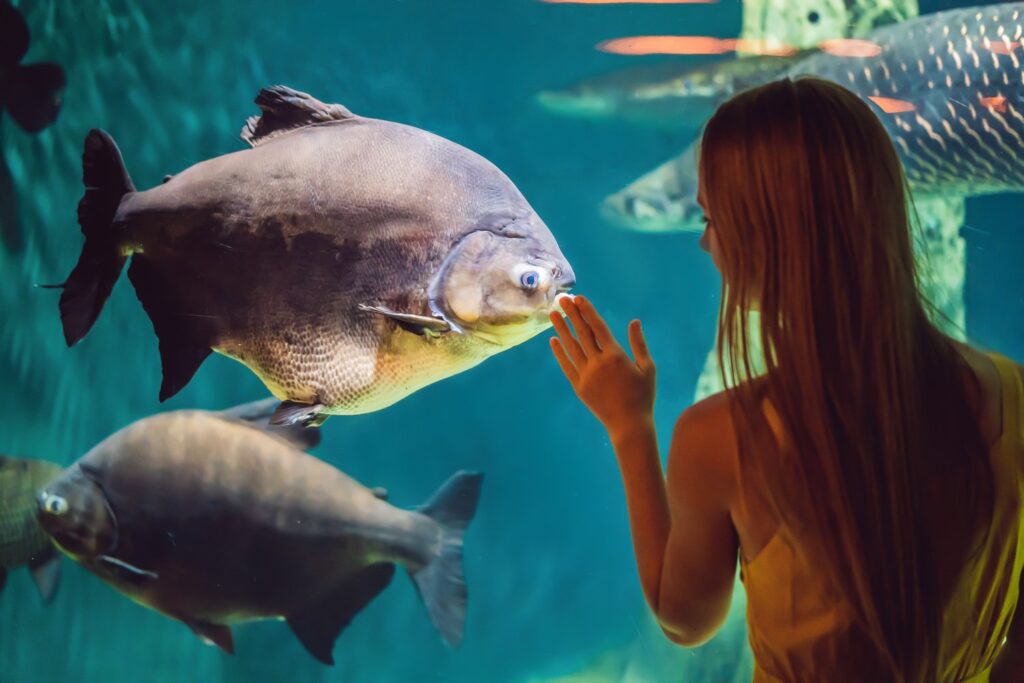
Most visitors leave happy. Reviews praise the well-maintained tanks and the spectacular tunnel, while the most common complaint is that tickets aren’t cheap for a visit of a couple of hours. Still, the variety of species and sea creatures is impressive for a city-centre aquarium. If you’re wondering where the best aquarium in Spain is, the Oceanogràfic in Valencia is much larger and needs most of a day. Palma Aquarium on Mallorca is another big name. The Barcelona Aquarium is a compact and enjoyable visit right in the city centre, easy to fit around other plans.
What to see inside L’Aquàrium de Barcelona?
The route is one-way and easy to follow. It starts with the new entrance and the themed tanks, continues through the Oceanarium and ends upstairs in Planeta Aqua and the children’s area. Here are the highlights in the order you’ll come to them.
The digital floor and the immersive room
The new entrance sets the tone straight away. You walk over a 300-square-metre digital screen where waves roll and giant marine animals move under your feet, and children inevitably start chasing them. A little further on is Journey to the Depths, an immersive room that takes you down into the deep sea aboard a virtual submarine called the SubAqua Explorer. The show moves from calm reef scenes to tense moments among the tentacles of a giant squid, so very young children may want a hand to hold.
Mediterranean and tropical aquariums
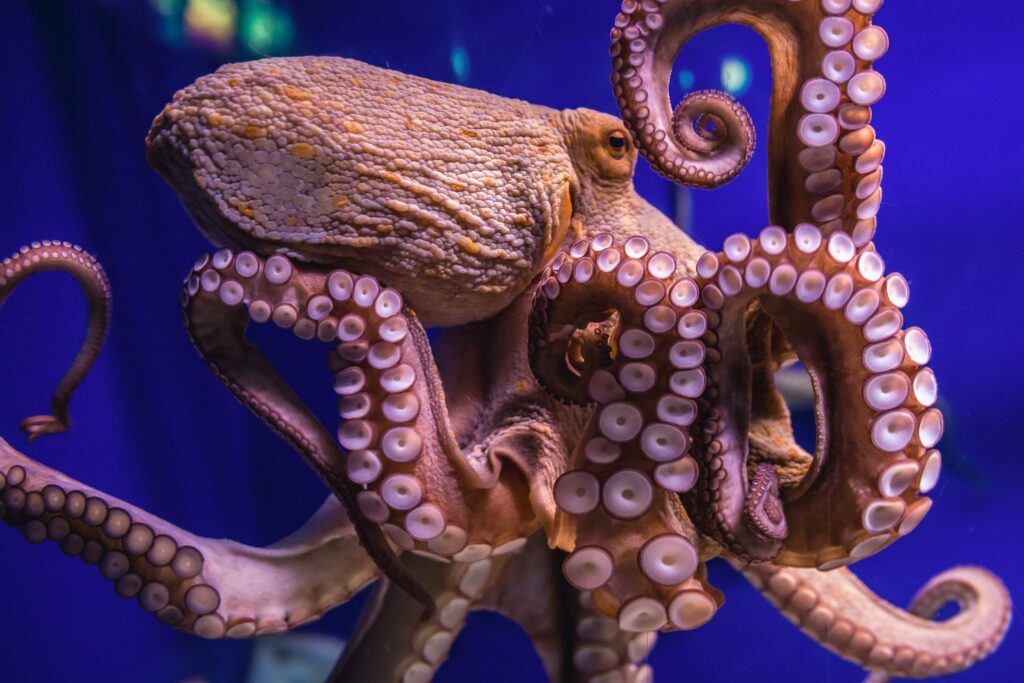
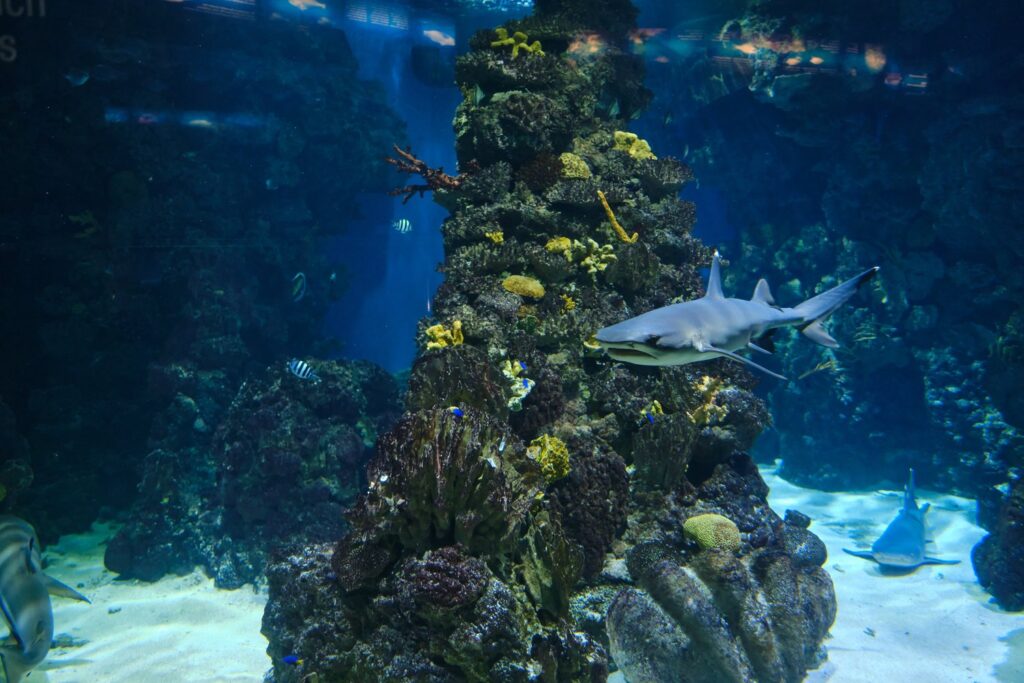
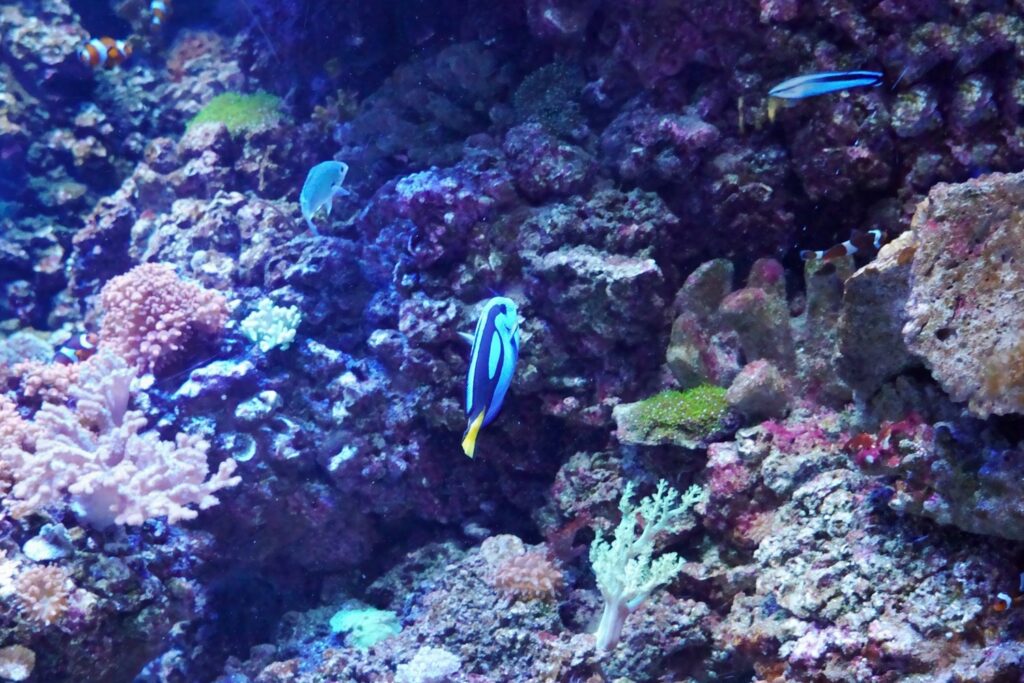
The first part of the visit is a series of themed tanks. On the Mediterranean side you’ll meet octopuses, moray eels, seahorses, groupers and the fish that shelter in Posidonia seagrass meadows. The tropical aquariums bring colour from the Red Sea, the Caribbean and the coral reefs of the Indo-Pacific, with clownfish, blue tangs and small reef sharks. The new mangrove area shows how these coastal forests work as nurseries for young fish.
The Oceanarium and the shark tunnel
The Oceanarium is the largest tank in the aquarium and the main reason most people come. It holds millions of litres of seawater and around 80 species living side by side. A moving walkway carries you slowly through the transparent tunnel, so you can simply stand still and look up. Sand tiger sharks, sandbar sharks and the odd-looking angular roughshark cruise past just a few centimetres from your face, together with eagle rays, guitarfish, huge groupers and other large fish.
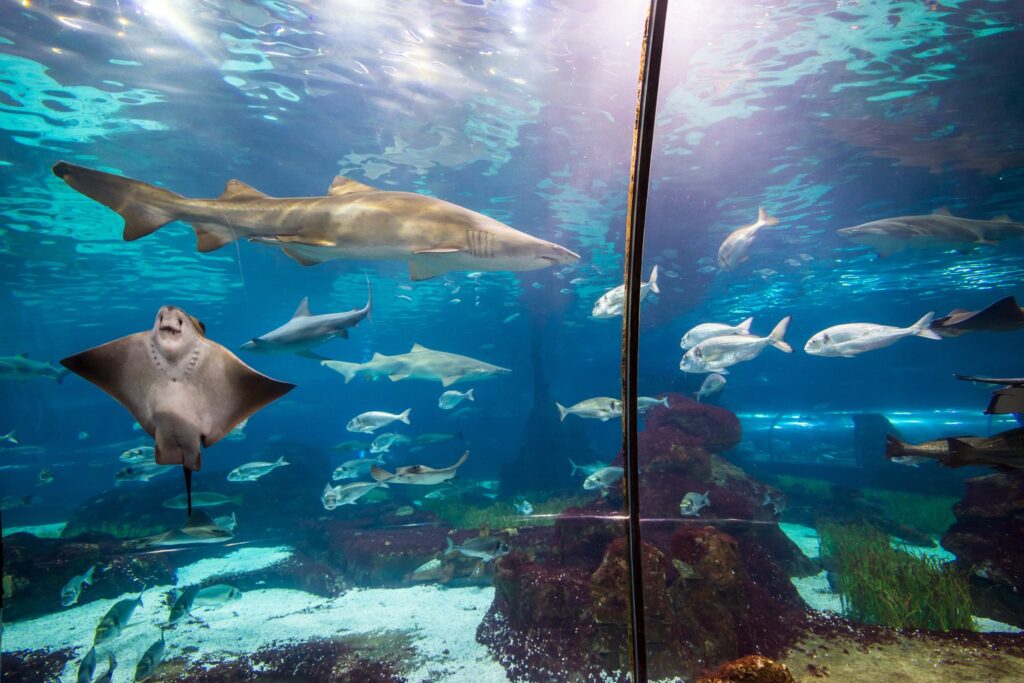
Take your time in the shark tunnel. Come first thing or on a weekday and you’ll often have long stretches of it almost to yourself, which makes for much better photos. Turn off your flash, as it reflects off the glass and disturbs the animals.
Planeta Aqua and the penguins
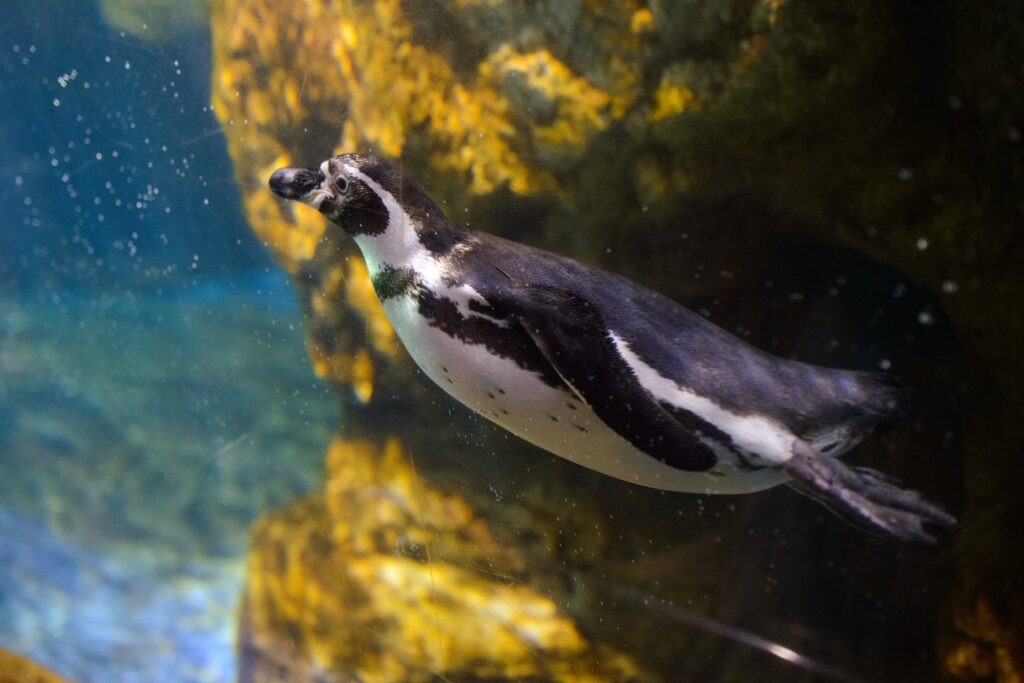
Upstairs, Planeta Aqua looks at how life adapts to extreme conditions, from cold southern waters to rivers and tropical lagoons. The firm favourites here are the Humboldt penguins from the coasts of Chile and Peru. It’s great fun to watch them waddle across the rocks and then shoot through the water like torpedoes on the other side of the glass. This floor also has a large tank with rays and guitarfish and new interactive displays, such as the augmented-reality Aquaprotectors zone, dedicated to ocean conservation.
Explora! - the children’s zone
Explora! is a play-and-learn area designed for younger visitors. It has interactive games, simple experiments where kids can discover how the ocean works and touch pools where they can gently feel starfish and sea urchins under staff supervision. If you’re visiting the aquarium with children, allow at least half an hour here, because it’s usually the hardest place to leave.
Shark experiences at the aquarium
If walking under the sharks isn’t enough, the aquarium runs special activities in the Oceanarium. Qualified divers can dive with the sharks, while non-divers can try a cage immersion and stay inside a protective cage as the sharks circle. There are also sleepovers for children next to the shark tank and behind-the-scenes visits that show how the biologists care for the animals. These experiences have limited places and age requirements, so book them well ahead, especially for summer weekends.
How long do you need at the Barcelona Aquarium?
Most adults see everything in about 1.5 to 2 hours. Families with young children usually stay 2 to 3 hours, mainly because of Planeta Aqua and the Explora! zone. Add a shark experience or lunch at the Maremàgnum shopping centre next door, and the aquarium can easily fill half a day.
The opening hours are easy to remember: the aquarium opens every day of the year at 10am. Closing time changes with the season and the day of the week, usually from around 7pm on weekdays to 8pm or later at weekends and in summer. Entry stops before closing time, so don’t leave it too late. The quietest time is first thing on a weekday, while rainy days and summer afternoons are the busiest.
Barcelona Aquarium tickets
Barcelona Aquarium tickets are easy to book online, and buying in advance lets you skip the queue at the ticket office. That queue can get long in July and August, at Easter and on rainy weekends, when half the city has the same idea. Admission is free for children under 3, and there are reduced tickets for older children. Some city passes and combined tickets include the aquarium as well, for example bundled with the hop-on hop-off bus. Before you book, check the cancellation policy of the ticket you choose, as conditions vary from product to product.
How to get to the Barcelona Aquarium?
L’Aquàrium de Barcelona stands at the end of the Moll d’Espanya, next to the Maremàgnum shopping centre. From the bottom of La Rambla, cross the wooden Rambla de Mar footbridge by the Columbus Monument and you’ll reach the entrance in about five minutes. It’s an easy walk from the Gothic Quarter and Barceloneta.

The nearest metro stations are Drassanes on the green L3 line and Barceloneta on the yellow L4 line, each about a 10-minute walk away. Several city buses, including the V17, stop on Passeig de Colom, a short walk from the pier. If you’re travelling to Barcelona from another Spanish city, you can compare trains and buses before you set off.
What to do near the Barcelona Aquarium?
The aquarium is located in one of the liveliest corners of Barcelona, so it’s easy to build a whole day around it. Port Vell, the Gothic Quarter and Barceloneta are all within a 15-minute walk. In summer this part of the city fills up quickly, so book your accommodation well in advance.
See available stays in Barcelona
Port Vell and the Gothic Quarter
Port Vell itself is great for a stroll along the marina, with yachts on one side and palm-lined promenades on the other. Harbour boat trips leave from the quay by the Columbus Monument, and in the evening the waterfront is a great spot to watch the sunset. From here, a short walk inland takes you into the narrow lanes of the Gothic Quarter.
In the old town you can visit the Cathedral of Barcelona, look for hidden squares and stop for tapas. The Picasso Museum in El Born is only about 15 minutes from the aquarium on foot. A guided walking tour is a good way to hear the stories behind the stones in a couple of hours.
Barceloneta and Montjuïc
Head the other way and you’re in Barceloneta, the old fishermen’s quarter, with seafood restaurants, tapas bars and the city’s most famous beach. From the end of Barceloneta, the Port Cable Car crosses the harbour high above the water to Montjuïc, the hill with gardens, museums and a castle. The ride gives you one of the best views over the port and the aquarium itself.
From there you can switch to the Montjuïc cable car up to the castle, or walk down through the gardens towards Poble-sec. It’s a lovely way to round off a day at the aquarium, especially in the late afternoon when the light turns golden over the sea.
Barcelona Zoo
Families can also combine the aquarium with Barcelona Zoo in Parc de la Ciutadella, about 1.5 km away. The zoo has gorillas, elephants, giraffes and a big play area, and the surrounding park is perfect for a picnic. Doing both in one day can be tiring for small children, so build in a long lunch break.
Practical information
- Barcelona Aquarium tickets are best booked in advance. You’ll avoid the queue at the ticket office and won’t risk finding your chosen day sold out.
- Address: Moll d’Espanya del Port Vell, s/n, 08039 Barcelona
- Buy tickets on GetYourGuide
Hotels near Barcelona Aquarium
Staying around Port Vell or Barceloneta puts the aquarium, the beach and the old town of Barcelona within walking distance. Here are three options for different budgets, from a small hotel on the marina to a landmark on the beach.
💰 Hotel 54 Barceloneta
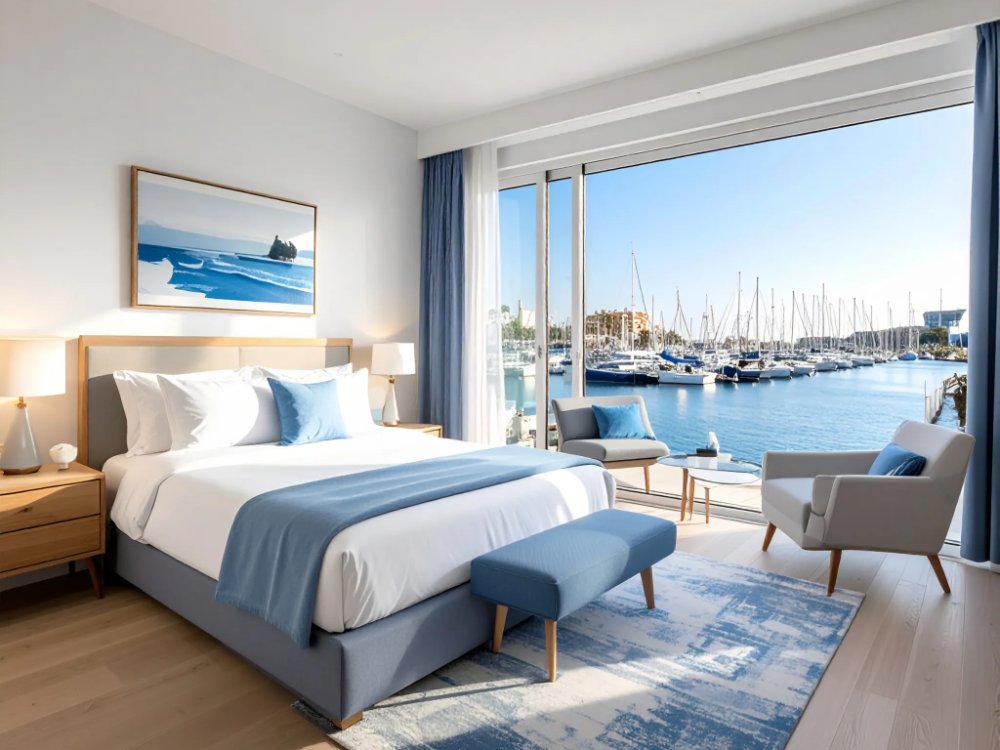
This small hotel stands on Passeig de Joan de Borbó, the waterfront promenade of Barceloneta, about a 10-minute walk from the aquarium. Its 28 individually decorated rooms are simple but comfortable, and some look out over the marina. The rooftop terrace is a lovely spot for an evening drink with views of the harbour. It’s a good pick if you want an affordable base close to both the port and the beach.
🏨 H10 Port Vell 4* Sup
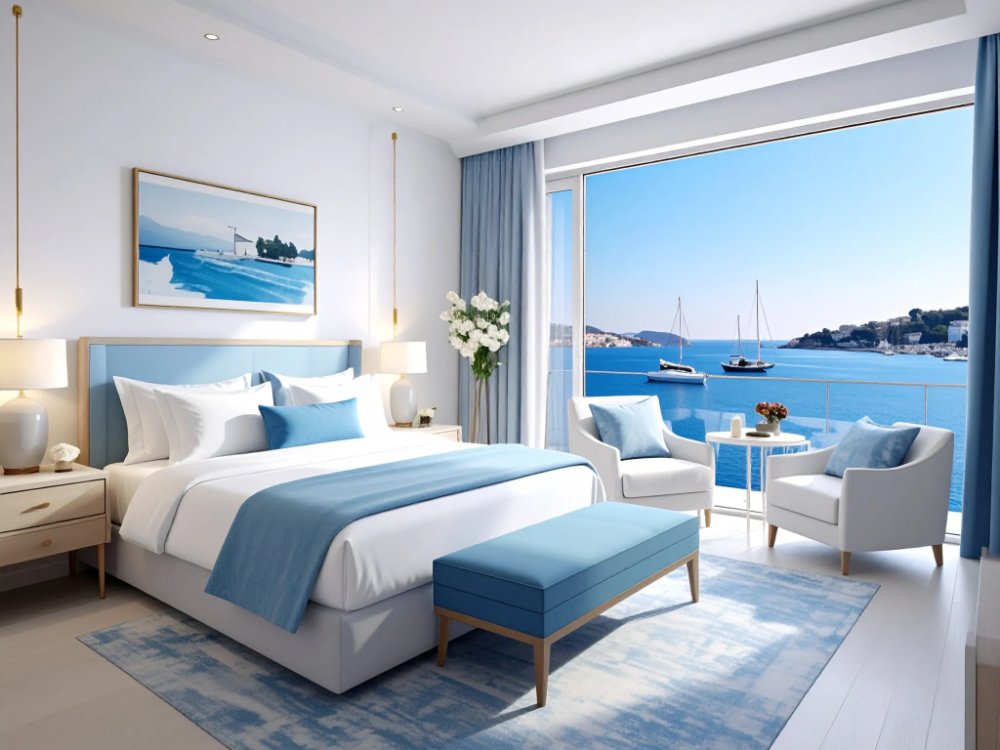
A stylish four-star hotel on the edge of Barceloneta, only a few minutes’ walk from Port Vell and the aquarium. Rooms are modern and quiet, with a calm Mediterranean feel. The rooftop has a small outdoor pool and a bar with views over the harbour, just the thing after a day of sightseeing. It’s ideal for couples who want comfort and a great location without paying five-star prices.
💎 W Barcelona
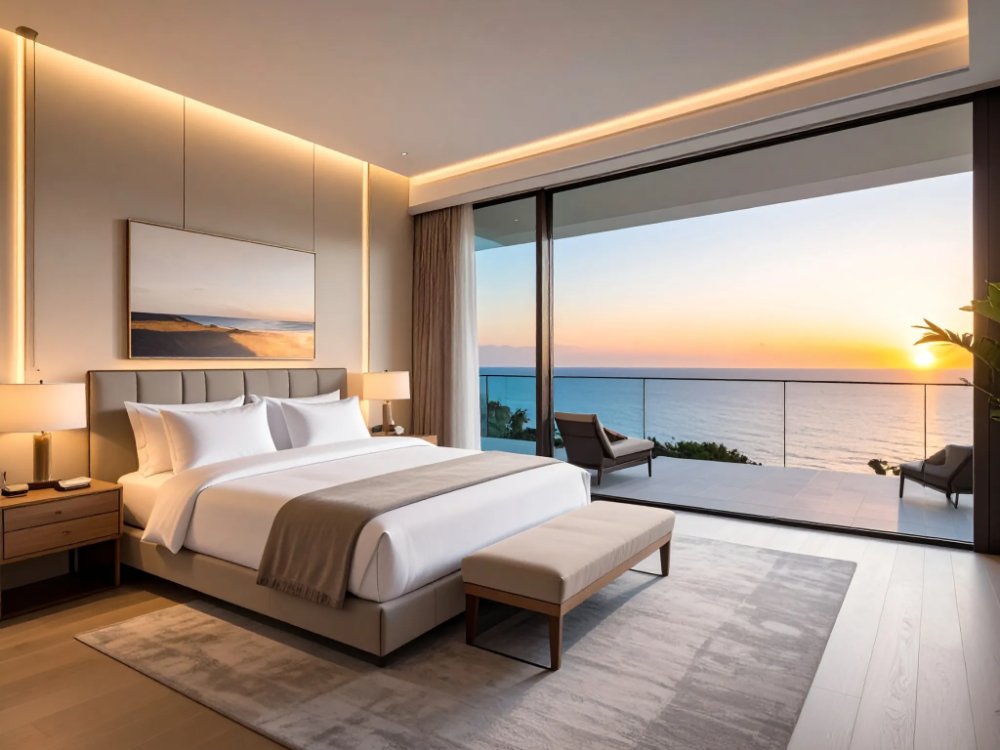
The sail-shaped tower at the far end of Barceloneta beach is one of the city’s best-known landmarks, about half an hour’s walk along the seafront from the aquarium. Rooms have floor-to-ceiling windows with sea or city views, and there’s a spa, an outdoor pool and a bar high above the Mediterranean. It’s the place for a splurge, a special occasion or a stay that feels like a beach holiday in the middle of the city.

