One week, eight provinces and far too many places that each deserve a whole day. Here’s how to choose.
Andalusia is the sun-baked south of Spain, the land of flamenco, whitewashed villages and Moorish palaces that inspired travellers long before package holidays existed. It stretches from the Atlantic beaches near Portugal to the volcanic coves of Almería, with the snow-capped Sierra Nevada rising in between. In this article you’ll find the main attractions of every province, a ready-made Andalusia travel itinerary for seven days and practical tips on getting around, so you can decide which things to do in Andalucia fit your own trip. It’s written for first-time visitors planning a road trip, a city break or a beach holiday in the south of Spain.
💰 Hostal Los Arcos (Vejer de la Frontera) - A family-run guesthouse in one of the loveliest white villages of Cádiz province.
🏨 Palacio de la Rambla (Úbeda) - A 16th-century ancestral home of the Marquises de la Rambla, still partly lived in by their descendants.
💎 Parador de Arcos de la Frontera - A former mayor’s residence with some of the most spectacular views in Andalusia.
Things to do in Andalucia - why the region is worth a week
Andalusia (Andalucía in Spanish) is the most populous region of Spain and is divided into eight provinces: Almería, Cádiz, Córdoba, Granada, Huelva, Jaén, Málaga and Seville. The capital is Seville, but each provincial capital has its own character and a list of sights that could easily fill a long weekend.
What makes the south of the Iberian Peninsula so different from the rest of the country is its history. The Moors arrived in 711 and Moorish rule lasted almost eight centuries, until the Catholic Monarchs took Granada on 2 January 1492. That long chapter left behind Moorish architecture you won’t see anywhere else in Europe: horseshoe arches, tiled courtyards, fountains and gardens designed to keep cool in the summer heat. The name of the region comes from Al-Andalus, as the Arabs called the Muslim-ruled part of the peninsula.
Add to all this some of the best beaches in Spain, two national parks, a desert where Hollywood shot its westerns and a food culture built on tapas, olive oil and sherry, and it’s easy to see why one holiday is rarely enough. Few destinations in Europe offer so much variety within a few hours’ drive. If you only have a week, focus on the big three cities (Seville, Granada and Córdoba), then add a few days on the coast or in the white villages.
Seville, the capital of flamenco and the April Fair
Seville is the place most people picture when they think of Andalusia. Orange trees line the streets, horse-drawn carriages wait outside the cathedral and flamenco guitars spill out of bars in Triana late into the night. The city centre is compact, so you can stroll between the main sights in a day and spend the evenings hopping between tapas bars. The streets around Calle Sierpes are the best place for shopping, from flamenco fans to hand-painted ceramics.
Start with the Royal Alcázar of Seville, a royal palace that is still used by the Spanish royal family. Its Mudéjar halls and gardens are among the finest examples of the style in Spain. Right next door stands Seville Cathedral, the largest Gothic cathedral in the world, with the tomb of Christopher Columbus and the Giralda bell tower. You can climb the tower via ramps rather than stairs, reportedly built so that the muezzin could ride up on horseback.
In the afternoon, walk through the Parque de María Luisa to the Plaza de España, built for the 1929 Ibero-American Exposition, with tiled alcoves for every Spanish province. Then cross the river to Triana, the old potters’ and sailors’ district, where flamenco has deep roots. Book the Alcázar and the cathedral in advance, especially in spring, as queues can take longer than the visit itself.
The best-known festivals are Semana Santa (Holy Week) and the April Fair, the Feria de Abril, which usually starts two weeks after Easter. For a week, the fairground fills with striped marquees called casetas, women wear flamenco dresses and people dance sevillanas until dawn. About 9 km from the centre lie the ruins of Itálica, a Roman city where the emperor Trajan was born, which makes an easy half-day trip.
Granada and the Alhambra, the jewel of Moorish Spain
Granada sits at the foot of the Sierra Nevada, and on clear winter days you can see snow above the rooftops while sitting outside with a drink. It was the last Moorish kingdom on the Iberian Peninsula, and the Alhambra palace complex is the reason most visitors come. The Nasrid Palaces, with their carved stucco and the famous Court of the Lions, are some of the most beautiful interiors in Europe, while the Generalife gardens show how the sultans relaxed in summer.
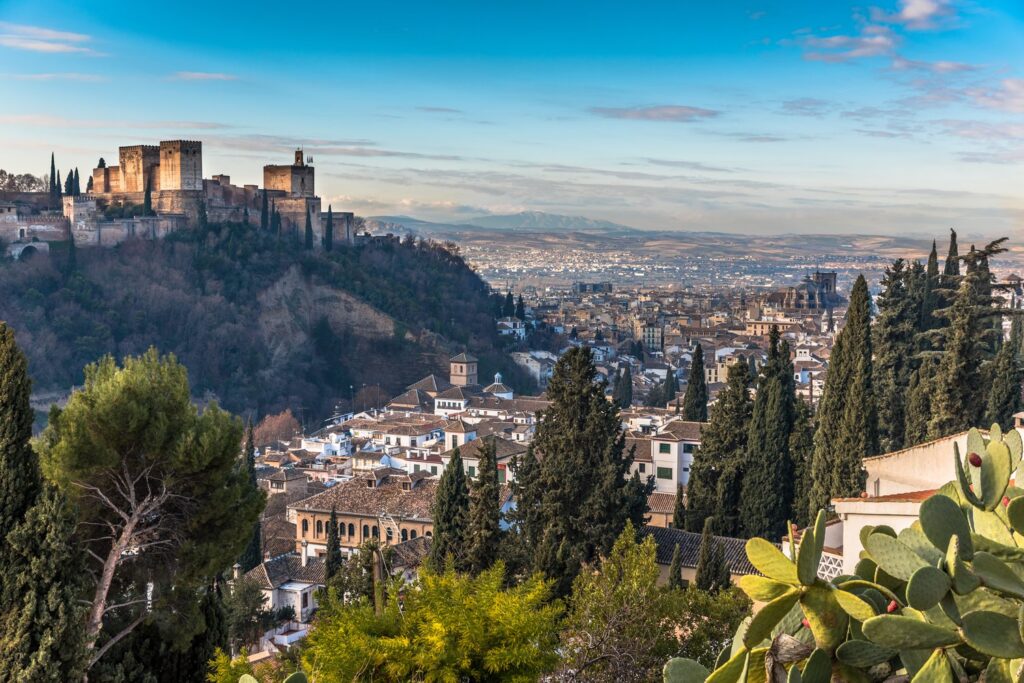
Tickets for the Alhambra are limited and sell out weeks ahead in high season, so book your visit as soon as you know your dates. Entry to the Nasrid Palaces is timed, and if you miss your slot you won’t be let in.
Away from the palace, get lost in the Albaicín, the old Moorish quarter of white houses and steep lanes, and watch the sunset over the Alhambra from the Mirador de San Nicolás. Higher up, Sacromonte is known for its cave houses and intimate zambra flamenco shows. Granada is also one of the last cities in Spain where many bars still serve a free tapa with every drink, which makes an evening out a meal in itself.
Córdoba - the Mezquita and the Roman bridge
Córdoba was once one of the largest and most cultured cities in Europe, the capital of the Caliphate of Córdoba in the 10th century. Its symbol is the Mosque-Cathedral of Córdoba, known as the Mezquita. Inside, a forest of more than 850 columns with red-and-white striped arches stretches into the half-light, and in the middle stands a Renaissance cathedral built in the 16th century.
From the Mezquita it’s a short walk to the Roman bridge over the Guadalquivir, which looks especially good at sunset, and to the Alcázar de los Reyes Cristianos, where Columbus met the Catholic Monarchs. Wander through the Judería, the old Jewish quarter, to see the medieval synagogue and narrow streets lined with whitewashed houses.
If you can, come in May. During the Patios Festival, residents open their private courtyards, covered in hundreds of flowerpots, to visitors. Córdoba is about 45 minutes from Seville by high-speed train, so it also works as a day trip.
Málaga and the Caminito del Rey
Málaga is the gateway to Andalusia for most travellers from the UK, thanks to the busiest airport in the region. It’s a lively port city with a beach right in the centre, a Moorish fortress called the Alcazaba and a Roman theatre at its foot. The historic centre is full of museums, so art lovers can easily spend a whole day here. Pablo Picasso was born here in 1881, and the Picasso Museum Málaga holds more than 200 of his works in a 16th-century palace.
About an hour inland lies one of the most popular activities in Andalusia, the Caminito del Rey. This walkway is fixed to the cliffs of the Gaitanes Gorge, around 100 metres above the river. Once known as the most dangerous path in the world, it was rebuilt and reopened in 2015, and today it’s a safe walk of about 7.7 km (including the access paths) with breathtaking views. You need a ticket for a specific time slot, and the route is one-way.
Málaga is also the best base for exploring the Costa del Sol and for day trips to Ronda and the white villages. The city centre is easy to explore on foot, and in December the Calle Larios is decorated with one of the most famous Christmas light shows in Spain.
Ronda and the white villages
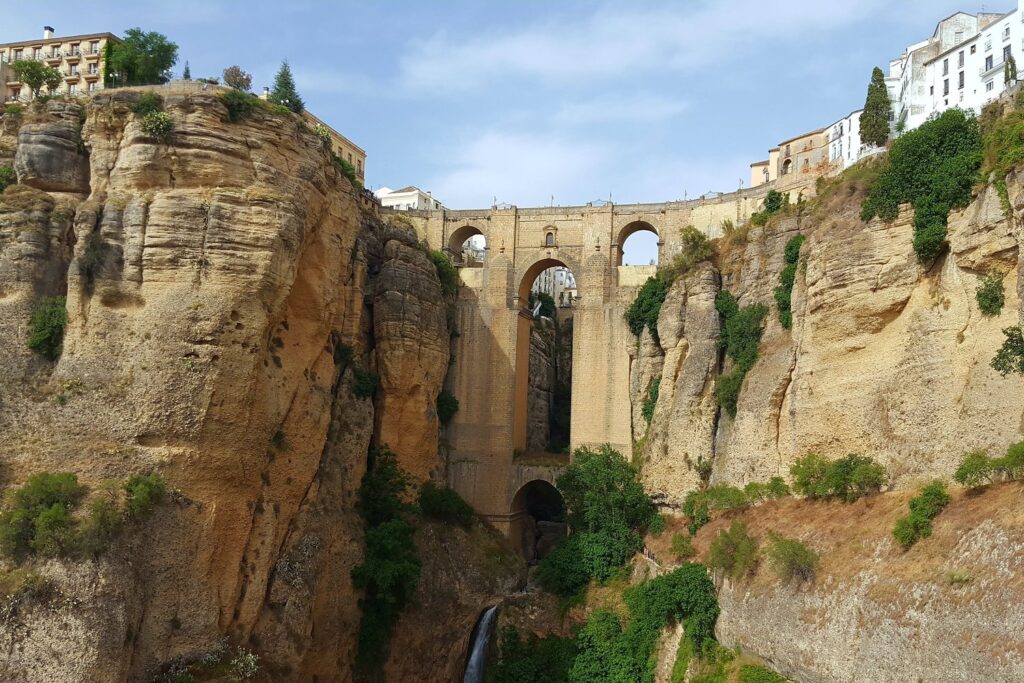
Ronda is one of the most spectacular towns in Spain. It sits on top of a rocky plateau split in two by the El Tajo gorge, and the Puente Nuevo, an 18th-century stone bridge, links the two halves 98 metres above the river. The town has one of the oldest bullrings in Spain and some superb viewpoints over the countryside, so make sure you walk down the path below the bridge to see it from the bottom.
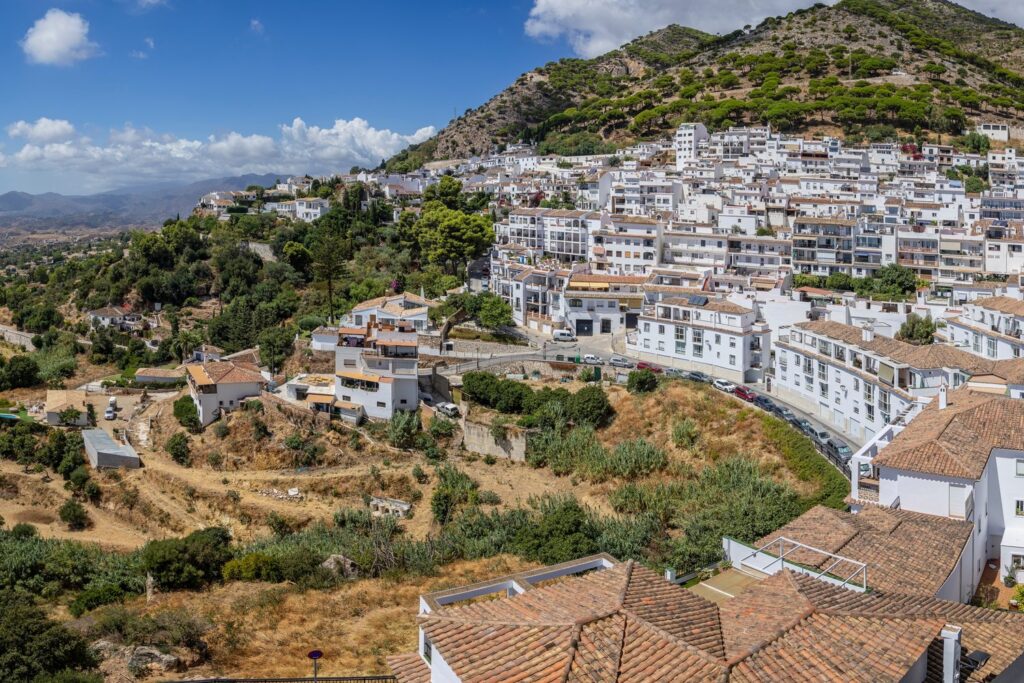
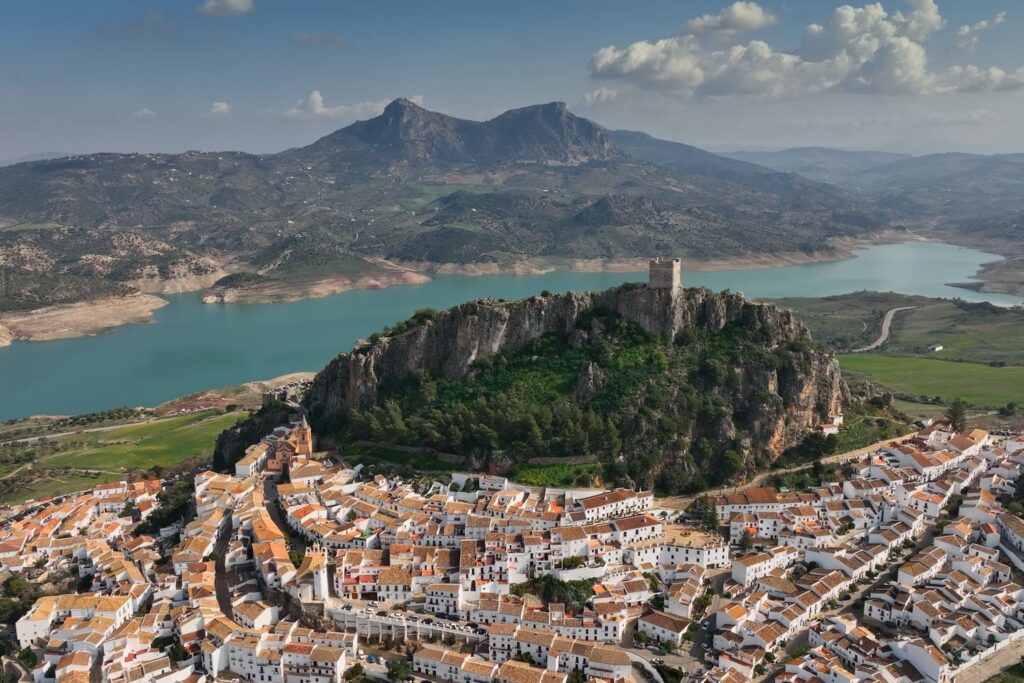
Ronda is also a good starting point for the Ruta de los Pueblos Blancos, the route of the white villages. These whitewashed towns cling to hillsides and cliffs in the provinces of Cádiz and Málaga. The most beautiful include Setenil de las Bodegas, where houses are built under huge rock overhangs, Zahara de la Sierra with its castle above a turquoise reservoir, Grazalema, Arcos de la Frontera on the edge of a cliff and Vejer de la Frontera, close to the Atlantic coast.
The white villages are best explored by car, as public transport between them is limited. With car hire you can visit three or four villages in a day, stopping for lunch in a village square and buying local cheese and olive oil along the way. On the Málaga side, don’t miss Mijas above the coast and Frigiliana in the hills behind Nerja.
Jerez de la Frontera, Cádiz and the Atlantic coast
Jerez de la Frontera gave its name to sherry, the fortified wine that is aged in the bodegas of the town. A tour of one of the historic wineries, followed by a tasting, is one of the most enjoyable things to do in the province of Cádiz. Jerez is also home to the Royal Andalusian School of Equestrian Art, where you can watch the show “How the Andalusian Horses Dance”, in which horses perform to classical Spanish music.
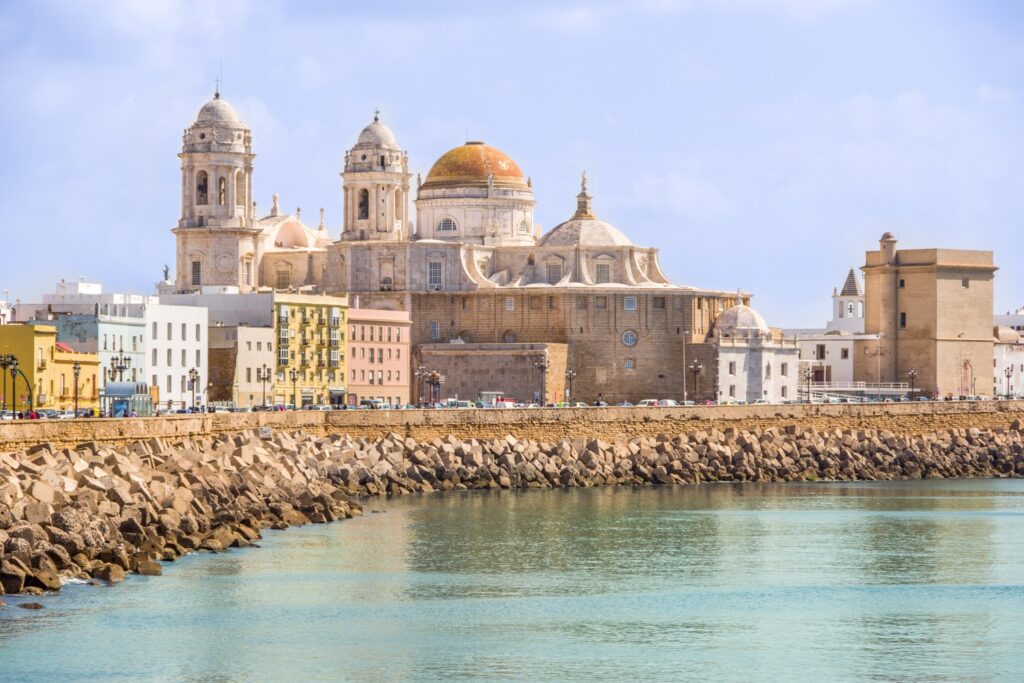
The city of Cádiz lies on a narrow peninsula surrounded almost entirely by the sea. It was founded by the Phoenicians around 3,000 years ago and is often called the oldest city in Western Europe. Climb the Torre Tavira to see the rooftops from above, walk along the seafront promenade and eat fried fish in the La Viña district, where the famous Cádiz Carnival is at its loudest.
South of Cádiz begins the Costa de la Luz, the Atlantic “coast of light”. Its long, wild beaches, such as Bolonia with the Roman ruins of Baelo Claudia, are much quieter than those on the Mediterranean. At the southern tip lies Tarifa, the windsurfing and kitesurfing capital of Europe, from where you can see Morocco on the other side of the strait on a clear day. A little to the east is Gibraltar, a British Overseas Territory with a famous rock and its colony of Barbary macaques.
Andalusia beaches - from the Costa del Sol to Cabo de Gata
Andalusia has more than 800 km of coastline, so there are beaches for every taste. The Mediterranean side is warmer and calmer, while the Atlantic side is wilder, windier and better for long walks along the sand.
Costa del Sol
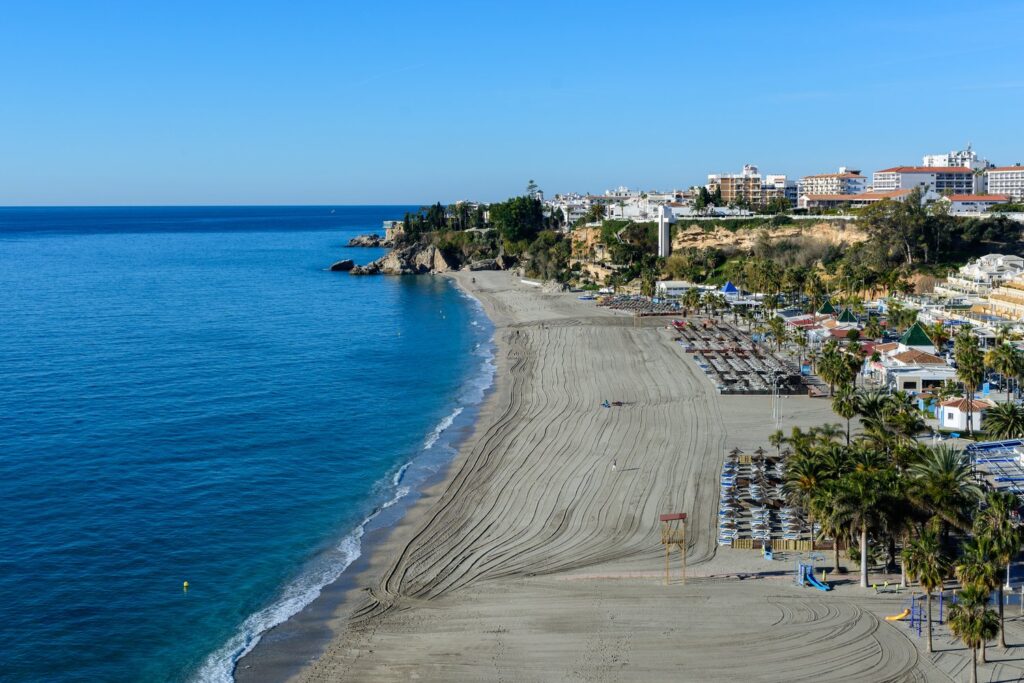
The Costa del Sol is the most famous holiday coast in Andalusia, with over 300 days of sun a year and resorts that run almost without a break west of Málaga. Glamorous Marbella has a charming old town and the luxury marina of Puerto Banús. Benalmádena is popular with families thanks to its marina, the Selwo Marina dolphin park and the Benalmádena cable car, which climbs to the top of Mount Calamorro. East of Málaga, Nerja offers small coves, the Balcón de Europa viewpoint and huge caves with prehistoric paintings.
Costa Tropical and Costa de Almería
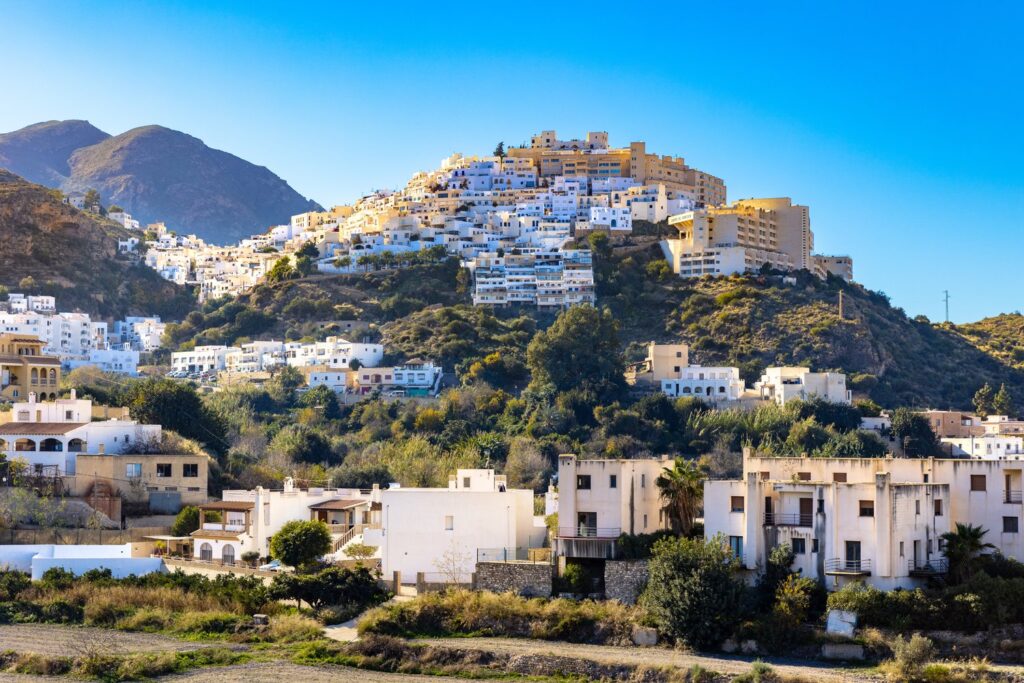
Further east, the Costa Tropical in the province of Granada is named after its mild climate, in which mangoes and avocados grow. Almuñécar and Salobreña are relaxed towns with pebble beaches and Moorish castles. Almería is the driest corner of Spain, and its best beaches lie in the Cabo de Gata-Níjar Natural Park, a volcanic landscape of cliffs, hidden coves and the small white fishing village of San José. Further north, the white village of Mojácar spills down a hillside just a short drive from the sea.
Costa de la Luz
The Costa de la Luz stretches from Tarifa to the Portuguese border. In the province of Cádiz you’ll find Zahara de los Atunes, Conil and the dunes of Bolonia, while in Huelva the beaches of Matalascañas and Mazagón border the Doñana National Park. The Atlantic water is cooler here, but the beaches are huge, so even in August you’ll easily find space to spread out your towel.
National parks, mountains and the Tabernas Desert
Andalusia isn’t just about cities and beaches. Large parts of the region are protected, and nature lovers will find everything from high mountains to wetlands and a real desert.
Sierra Nevada National Park
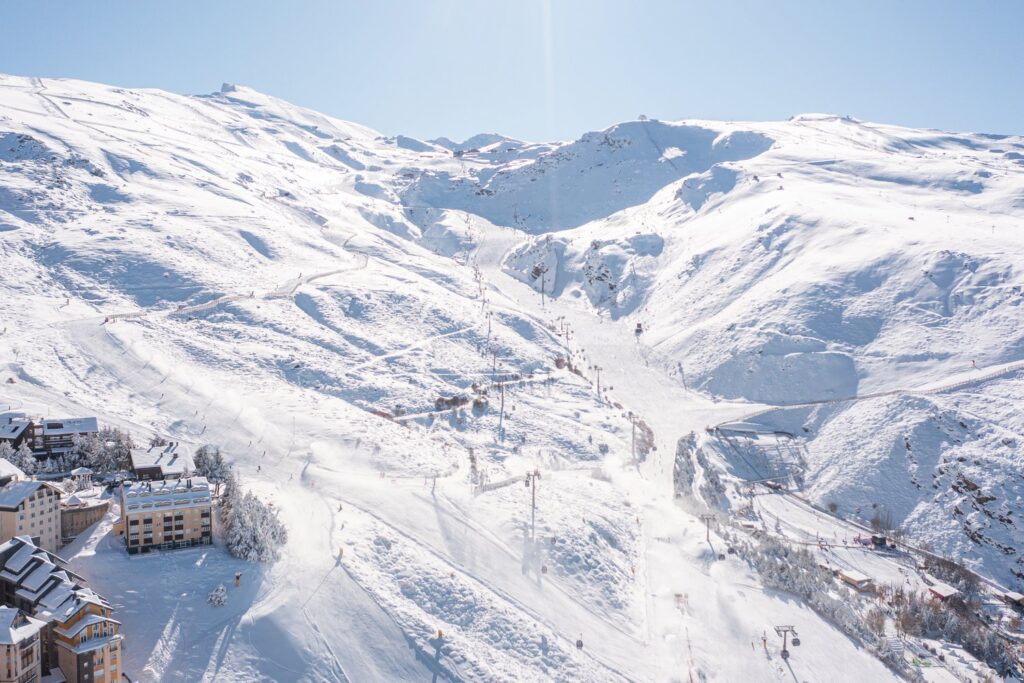
The Sierra Nevada is home to Mulhacén (3,479 m), the highest peak on the Iberian Peninsula. In winter, the Sierra Nevada ski resort, about an hour from Granada, is the most southerly ski resort in Europe, and on good days you can ski in the morning and walk on the beach in the afternoon. In summer, hikers come for the trails, while the villages of Las Alpujarras on the southern slopes, with their flat-roofed white houses, are perfect for a slower pace of life.
Doñana National Park
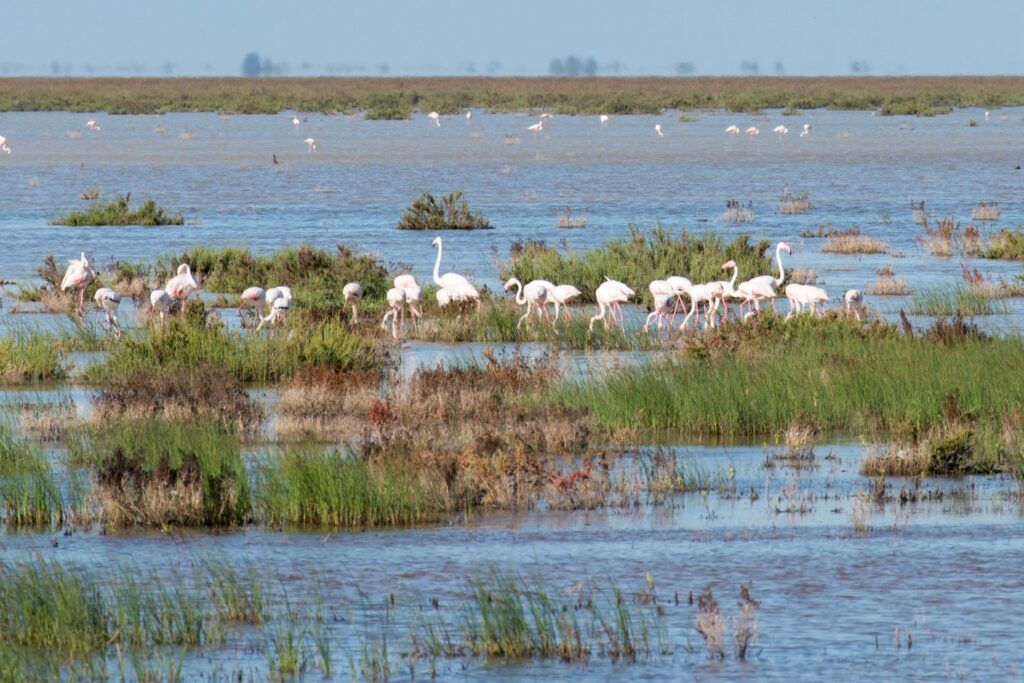
Doñana National Park, on the Atlantic coast where the Guadalquivir meets the sea, is one of the most important wetlands in Europe and a UNESCO World Heritage Site. Its marshes, dunes and pine forests are home to rich fauna, including flamingos, thousands of migrating birds and the Iberian lynx. Access to the core of the park is restricted, so the best way to see it is on a guided jeep tour from El Rocío, a village with sandy streets that looks like a film set.
Sierra de Grazalema
The Sierra de Grazalema Natural Park, between Ronda and the white villages of Cádiz, is often described as the rainiest corner of Spain. This explains why its limestone mountains are so green, covered with forests of Spanish fir. It’s a great place for hiking, birdwatching and horse riding, and the views from the Puerto de las Palomas pass are some of the best in the region.
The Tabernas Desert and Almería
The Tabernas Desert in the province of Almería is often called the only desert in Europe. Its dry gullies and bare hills look so much like the American Wild West that dozens of westerns were filmed here in the 1960s and 1970s, including several by Sergio Leone. Some of the film sets still stand and have been turned into theme parks with cowboy shows. In the city of Almería, visit the Alcazaba, one of the largest Moorish fortresses in Spain.
Jaén, Úbeda and Baeza - olive groves and Renaissance towns
The province of Jaén, located in the northern part of Andalusia, is the least visited corner of the region, which is a good reason to go. Its hills are covered in endless olive groves, and Jaén produces more olive oil than any other province in Spain. A visit to an olive oil mill with a tasting is a great way to understand what makes Andalusian food so special.
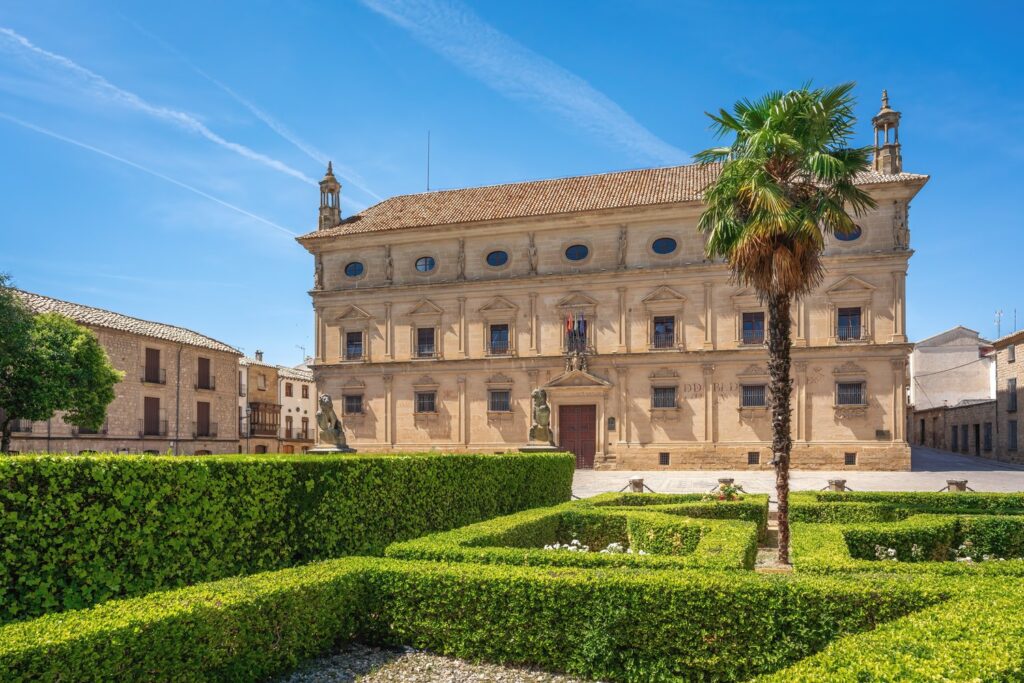
Úbeda and Baeza, two neighbouring towns full of Renaissance palaces and churches, have been on the UNESCO World Heritage List since 2003. They’re quiet, beautifully preserved and perfect for a slow day of sightseeing. Nature lovers should head to the Sierras de Cazorla, Segura y Las Villas Natural Park, the largest protected area in Spain, where the Guadalquivir river begins.
Huelva and the road to the New World
The province of Huelva, next to the border with Portugal, is linked to one of the most important chapters in the history of Spain, the discovery of the New World. On 3 August 1492, Christopher Columbus set sail from Palos de la Frontera. The so-called Columbian Sites (Lugares Colombinos) include the Monastery of La Rábida, where he prepared his voyage, and the Muelle de las Carabelas, with full-size replicas of his three ships.
In the north of the province, the Sierra de Aracena is known for its chestnut forests and for jamón ibérico from Jabugo, one of the most prized hams in Spain. In the town of Aracena, the Gruta de las Maravillas, a cave with underground lakes, is worth a visit. Most visitors here are Spanish, which makes the area of special interest if you want to see the slower rhythm of rural life.
Andalusia travel itinerary - 7 days on the road
A week is enough to see the highlights of Andalusia if you don’t try to do everything. The plan below follows a loop from Málaga, so it works well with a flight to and from the main airport of the region.
Day 1 - Málaga. The Alcazaba, the Roman theatre, the Picasso Museum and tapas in the old town.
Day 2 - Caminito del Rey and Ronda. Walk the Caminito del Rey in the morning, then drive to Ronda for the sunset over the gorge.
Day 3 - The white villages and Jerez. Setenil de las Bodegas, Zahara de la Sierra or Arcos de la Frontera, ending with a sherry tasting in Jerez.
Day 4 - Cádiz and Seville. A morning in Cádiz, then on to Seville for an evening in Triana.
Day 5 - Seville. The Royal Alcázar, the cathedral, the Plaza de España and a flamenco show.
Day 6 - Córdoba. The Mezquita, the Roman bridge and the Jewish quarter, then continue to Granada.
Day 7 - Granada. The Alhambra in the morning, the Albaicín at sunset, then back to Málaga (about 1.5 hours by car).
With ten days or more, add the Costa de la Luz, the Sierra Nevada and Las Alpujarras, or a few beach days on the Costa del Sol. If you prefer to travel without a car, the cities of Seville, Córdoba, Málaga and Granada are well connected by train and bus, and you can compare times and prices on Omio.
Getting to Andalusia and the best time to go
The main international airport is Málaga, with direct flights from many UK airports. Seville, Granada, Almería and Jerez also have airports, and Gibraltar is an option for the Costa de la Luz. From Madrid, the high-speed AVE train takes about 2.5 hours to Seville and stops in Córdoba on the way.
The best time to visit is spring (March to May) and autumn (September to November), when temperatures are pleasant and the cities are at their liveliest. In July and August, inland cities such as Seville and Córdoba often reach 40°C, so plan sightseeing for the morning and evening, and spend the hottest hours by the sea or in the shade. Winter is mild on the coast and the best time to ski in the Sierra Nevada, while spring brings the biggest festivals, including Semana Santa and the April Fair.
Hotels in Andalusia
Where you stay in Andalusia depends on how you travel. On a road trip, it pays to book a night or two in a white village or a historic parador rather than only in the big cities. The three places below show different sides of the region, from a family-run guesthouse near the Atlantic to a Renaissance palace and a parador on the edge of a cliff.
💰 Hostal Los Arcos (Vejer de la Frontera)
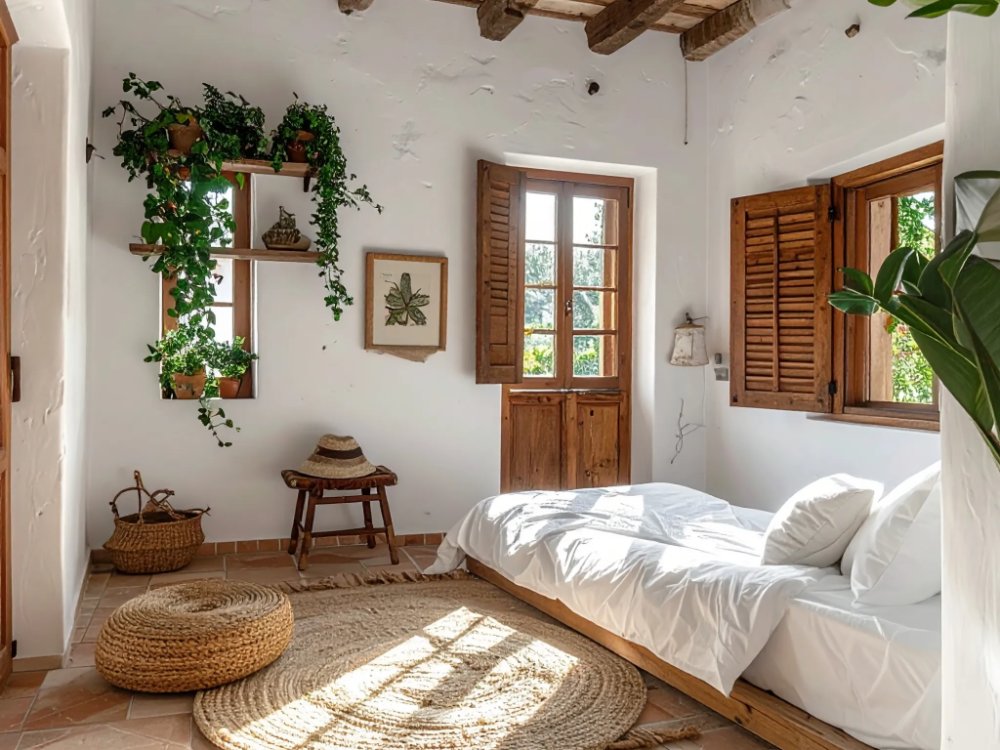
A family-run guesthouse in one of the loveliest pueblos blancos (white villages) of Cádiz province, known for its maze of narrow, winding lanes, whitewashed façades and views stretching to the Atlantic. Rooms are finished with traditional regional ceramic tiles, and guests also have a terrace and small bar. Vejer de la Frontera lies away from mass tourism, yet it’s an excellent base for the nearby Costa de la Luz beaches and equally picturesque neighbouring towns such as Medina Sidonia and Chiclana de la Frontera.
🏨 Palacio de la Rambla (Úbeda)
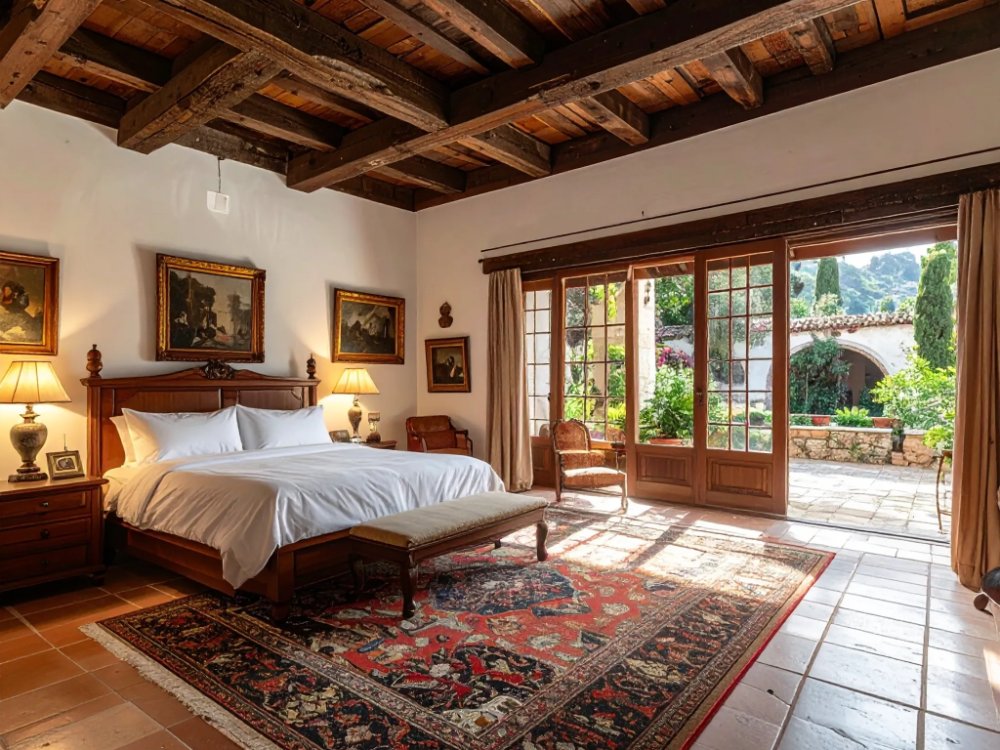
The ancestral home of the Marquises de la Rambla, built in the 16th century and still partly lived in by descendants of the original owners, which makes it feel more like a private residence than a typical hotel. Just eight rooms are furnished with antiques, family portraits and centuries-old original furniture, and the central courtyard is attributed to Andrés de Vandelvira, a master of the Andalusian Renaissance whose work dominates the architecture of Úbeda and neighbouring Baeza. The two towns are jointly listed by UNESCO as a unique Renaissance ensemble, yet they remain off the main tourist trail for most visitors to Andalusia.
💎 Parador de Arcos de la Frontera
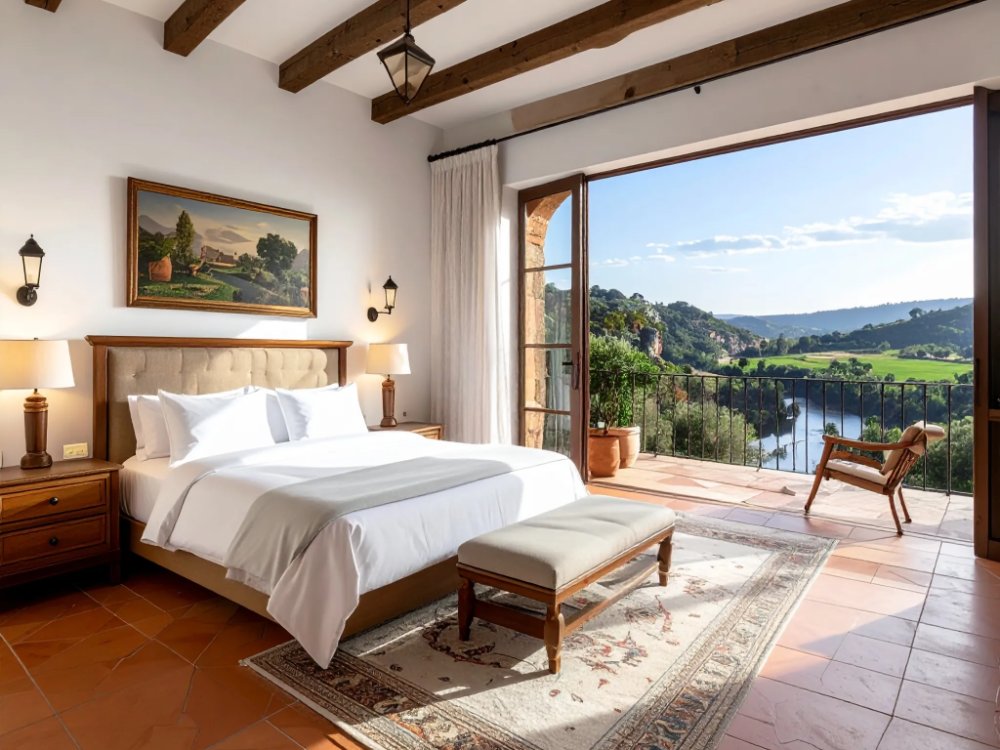
A former residence of the local mayor, turned into a hotel with views that easily rank among the most spectacular in Andalusia. The terrace and some rooms look out over the fertile Guadalete valley and the steep white lanes of Arcos de la Frontera’s old town climbing a limestone ridge. It’s a natural starting point for the Pueblos Blancos route through the most picturesque white villages of Cádiz province, as well as for the sherry vineyards of Jerez. Plan your arrival in advance - the road up to the hotel winds through the old town’s steep, narrow streets, and parking is limited.
Andalusia FAQ
How many days in Andalusia is enough?
A week is enough to see the highlights of Andalusia: Seville, Córdoba, Granada, Málaga and Ronda with one or two white villages. With ten to fourteen days, you can add the Costa de la Luz, the Sierra Nevada or a few days on the beach. Trying to see everything in less than five days usually means more time in the car than in the towns.
What is the best month to visit Andalusia?
April, May, late September and October are the best months to visit Andalusia. The weather is warm but not too hot, and in spring the cities celebrate Semana Santa and the April Fair. July and August are great for the beach, but inland sightseeing is tiring when temperatures reach 40°C.
Which airport do you fly to for Andalusia?
Most visitors fly to Málaga, the busiest airport in the region, with the most direct flights from the UK. Seville is the best choice for western Andalusia and the Costa de la Luz, while Granada and Almería suit the east. Málaga is also well placed for a road trip loop around the region.
Is it Andalusia or Andalucia?
Both spellings are correct. Andalusia is the traditional English name, while Andalucía (often written Andalucia without the accent) is the Spanish name of the region. You’ll see both on maps, websites and road signs in the UK, and they refer to the same place.
Which is nicer, Córdoba or Granada?
Granada usually wins for its setting, the Alhambra and its lively tapas scene, and it deserves at least two days. Córdoba is smaller and calmer, with the unique Mezquita, and you can see its main sights in a single day. If you have time, visit both, as they show different sides of Moorish Spain.

