It burned down twice and survived an anarchist’s bomb. Each time, the city paid to bring the music back.
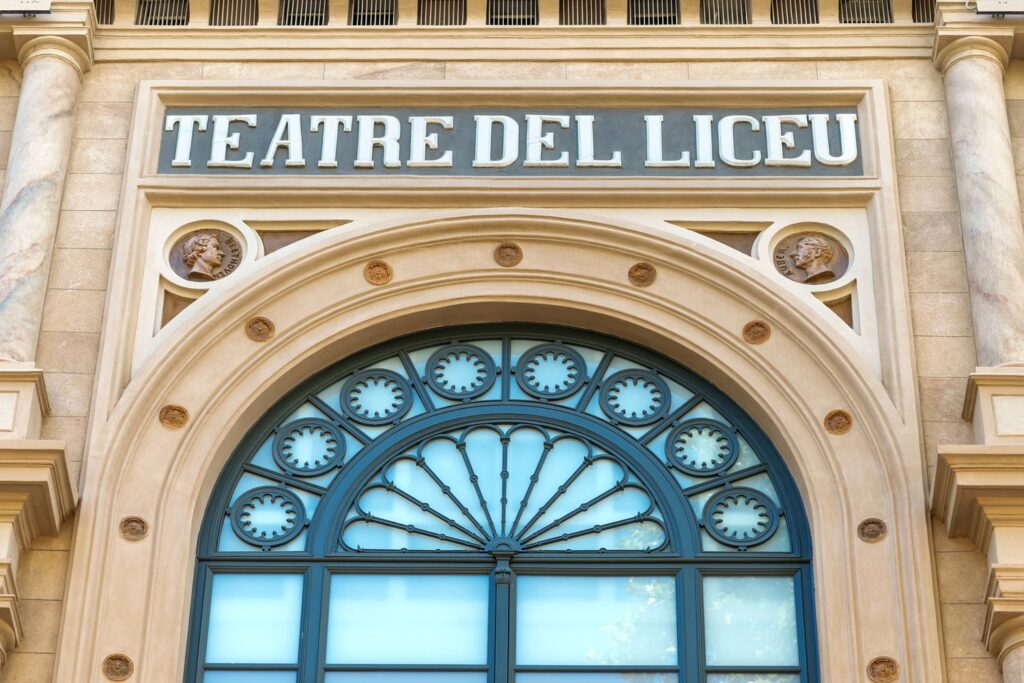
The Gran Teatre del Liceu is Barcelona‘s opera house, and it sits right in the middle of La Rambla, the busy promenade that runs from Plaça de Catalunya down to the sea. From the street you could almost walk past it. The façade is sober, squeezed between shops and cafés. Step inside, though, and you find a gilded horseshoe auditorium for 2,292 people, a marble staircase and a ballroom-style hall lined with mirrors. In this article you’ll discover whether you can still tour the building, how to get the best out of an opera night, what to wear and how to fit the Liceu into a walk along La Rambla.
💰 Hostal Levante Barcelona - A good-value guesthouse in the Gothic Quarter, five minutes from the Liceu.
🏨 Hotel 1898 - A four-star hotel on La Rambla with a rooftop pool.
💎 Hotel Bagués - A small luxury hotel in a Modernista jewellers’ building on La Rambla.
Gran Teatre del Liceu, Barcelona’s opera house at a glance
The Liceu opened on 4 April 1847, and for most of its history it has been the stage for opera in Barcelona. Today it’s one of Europe’s largest opera houses and among the most renowned theatres in Spain. Its season runs from September to July and mixes great classics with new opera productions, dance and symphonic concerts. If you’re looking for opera in Barcelona, this is the place to start.
What makes the Liceu special is its story. Unlike Madrid‘s Teatro Real, it wasn’t built by the crown. A group of wealthy Barcelona families paid for it, owned their boxes and treated the theatre as the living room of Catalan society. That private club spirit lasted until the 1994 fire. After that, the building passed into public hands, and the opera house was rebuilt to look almost exactly as it did before.
For a visitor, the Liceu works on two levels. You can admire the building and its history from the lobby and the Hall of Mirrors, or you can do what the theatre was built for and spend an evening at the opera. If you have one night free in the city, the second option is the one you’ll remember.
A short history of the Liceu - from Queen Isabel II to the 1994 fire
1837-1847: a music school becomes an opera house
The Liceu began in 1837 as a music society, the Liceo Filodramático de Montesión, set up in a former convent to train singers and musicians. Its music school still exists today as the Conservatori del Liceu. When the society outgrew the convent, it bought the site of an old Trinitarian monastery on La Rambla. Architect Miquel Garriga i Roca designed the new theatre, and the company named Queen Isabel II as its patron.
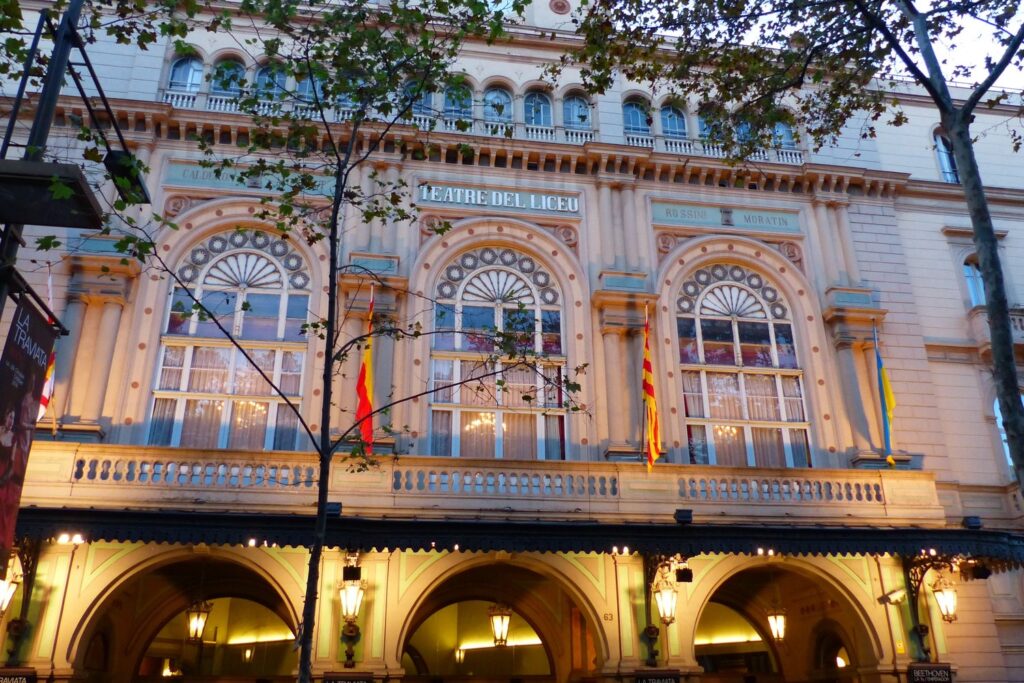
The money came from shareholders, not from the state. In return for their investment, the families received the right to use boxes and seats. This model explains a lot about the Liceu. It was a place to see and be seen, where the city’s industrial elite showed off its success. The first complete opera performed on its stage was Donizetti’s Anna Bolena, on 17 April 1847.
Fire, bombs and a Wagner tradition
The first fire broke out on 9 April 1861. It severely damaged the theatre and destroyed the auditorium and stage, although the façade, the entrance hall and the foyer survived. Architect Josep Oriol Mestres rebuilt the theatre in just a year, and it reopened on 20 April 1862 with Bellini’s I puritani.
The darkest night came on 7 November 1893. During the second act of Rossini’s Guillaume Tell, the anarchist Santiago Salvador threw two bombs into the stalls. Around 20 people died. The theatre reopened in January 1894, and Barcelona kept coming back.
In the early 20th century, the city fell deeply in love with Wagner. On 31 December 1913, the Liceu staged one of the first performances of Parsifal outside Bayreuth, with the Catalan tenor Francesc Viñas in the title role. Over the following decades, the opera house built a reputation for great voices. Montserrat Caballé, José Carreras and Victoria de los Ángeles all sang here, and the Liceu became a key stage for Catalan singers and stars from around the world.
The 1994 fire and the reconstruction
On 31 January 1994, sparks from a repair job on the safety curtain set the stage alight. Within a few hours, the fire had gutted the auditorium. Once again, the lobby and the Hall of Mirrors were saved. The city acted quickly. A public foundation took ownership of the building. It was backed by the Generalitat de Catalunya (the government of Catalonia), the city council, the provincial council and the Spanish Ministry of Culture.
Architects Ignasi de Solà-Morales, Xavier Fabré and Lluís Dilmé rebuilt the auditorium as a faithful copy of the 1861 design, but with a modern stage and much larger technical areas behind it. The opera house reopened on 7 October 1999 with Puccini’s Turandot. Today the Liceu building covers 36,000m², and about 70% of it is stage and backstage space that you never see from your seat.
Can you tour the Liceu? Guided and self-guided visits in 2026
For years, the Liceu ran daytime tours. A guided visit of about 50 minutes covered the lobby, the auditorium, the Hall of Mirrors and the rooms of the Cercle del Liceu. A shorter express visit of around 25 minutes skipped the private club. There were also occasional stage and backstage tours.
As of October 2026, the theatre says it isn’t running guided tours. Tours could return, so check shortly before your trip and don’t plan your day around one that may not run. Some ticket resellers still list Liceu visits online, which is confusing. If you can’t find a date in the theatre’s own calendar, assume there isn’t one.
The good news is that you don’t need a tour to see the best parts of the building. With a ticket for any performance, you can walk up the marble staircase, explore the Hall of Mirrors before the show and during the intervals, and take photos there. A seat in the upper tiers costs far less than one in the stalls or a box, so an opera night is often the most affordable way to get inside. The Liceu also has a free virtual tour on its website if you want a preview from home.
If you’d like a guide to bring the area to life, a walking tour of La Rambla and the old town stops outside the Liceu and puts its history in context. You’ll find the right options in the Practical information section below.
What you’ll see inside the opera house
The lobby and marble staircase
The main lobby, which you enter from La Rambla, survived both fires. Its eclectic, Renaissance-inspired style was known as “Florentine” in the mid-19th century. A neoclassical marble staircase leads up to the first floor. At the top stands a sculpture of the Muse of Music by Venanci Vallmitjana, installed in 1901.
The Hall of Mirrors (Saló dels Miralls)
The Hall of Mirrors was once called El Vergel, the orchard. It’s the room where the atmosphere of the old Liceu survives most clearly. Gold leaf, tall mirrors and chandeliers frame a space that has always been about socialising. Look up and you’ll see new ceiling paintings, added during the restoration, and quotes about art and music running along the top of the walls. A bar serves drinks here during the intervals. It’s also the best place to take photos before the performance starts.
The auditorium
The auditorium was modelled on Milan’s Teatro alla Scala. It has a horseshoe shape, 33 metres deep and 27 metres wide, with stalls and five tiers of boxes and balconies. The proscenium, framed by Corinthian columns, dates from a 1909 redesign. Above you, eight round medallions, or oculi, hold paintings by the Catalan artist Perejaume. Five of them can move to reveal stage lights. The velvet curtain is by the painter Antoni Miró.
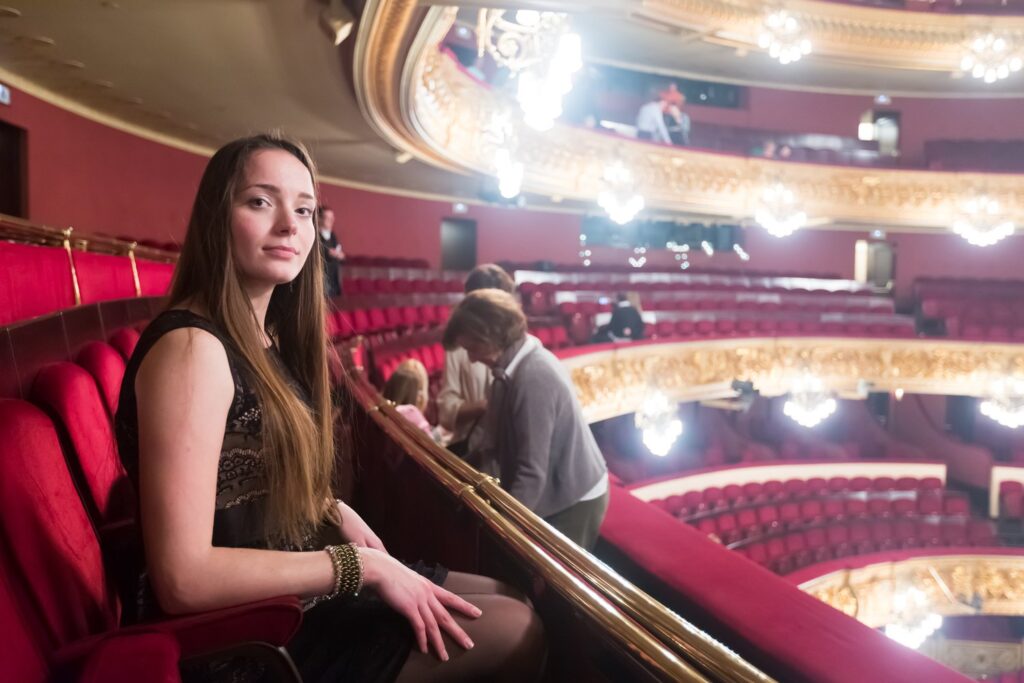
Behind the curtain, the stage tower rises 40 metres above stage level and drops 24 metres below it. Two huge platforms move up and down like lifts. That’s why the Liceu can switch between opera and dance productions so quickly during the season.
The Cercle del Liceu and Ramon Casas
The Cercle del Liceu is a private club inside the building, founded in November 1847. It’s one of the most exclusive clubs in Barcelona, and women were only admitted as members in 2001. Its Modernista rooms survived the 1994 fire. The highlight is the Rotunda, a former games room with twelve paintings by Ramon Casas from 1901-1902, all on themes linked to music. The club isn’t normally open to the public, but it occasionally welcomes visitors on special open days.
The 2026/27 season at the Liceu - opera, dance and concerts
The Gran Teatre del Liceu opened its 2026/27 season on 25 September 2026 with Verdi’s Aida, in a production by the artist Shirin Neshat. Anna Netrebko and Anna Pirozzi share the title role. Across the season, the Liceu plans 194 performances, with nine staged operas and four in concert.
Highlights for opera lovers include a new production of Mozart’s The Magic Flute by Marcos Morau, Janáček’s Jenůfa with Asmik Grigorian and Nina Stemme, and Das Rheingold, the start of a new Ring cycle directed by Tobias Kratzer. Puccini fans get two titles. La bohème runs in the new year, with Pretty Yende and Ermonela Jaho, and La fanciulla del West returns after more than 40 years, with Sondra Radvanovsky. You can also catch Bellini’s I Capuleti e i Montecchi with Lisette Oropesa and Mozart’s La clemenza di Tito conducted by Jordi Savall. Thomas Adès conducts his own The Exterminating Angel.
The Liceu isn’t only about opera. The dance programme includes The Nutcracker by the Karlsruhe Ballet and Crystal Pite’s Assembly Hall. There are also classical music concerts and recitals, including Verdi’s Requiem with Lise Davidsen and a concert conducted by Gustavo Dudamel. Families can try the Petit Liceu, a programme of short musical shows designed to give young children a love of music. Last season, Le nozze di Figaro and L’elisir d’amore together drew nearly 58,000 people, so book popular titles early.
Opera tickets at the Liceu - choosing a seat
Ticket prices at the Gran Teatre del Liceu vary hugely by production, date and seat. The best seats in the stalls and the front of the boxes are expensive. The upper amphitheatre, on the fifth tier, costs a fraction of that, and the sound up there is excellent. Side seats in the upper tiers can have a restricted view, so check the seating plan before you choose.
Every opera has surtitles in Catalan, Spanish and English. Most areas have individual screens, so you can follow the story even if you’ve never heard the work before. If you’re 35 or under, join the free LiceUnder35 programme. Through it, the Liceu offers discounted tickets and special preview evenings, and young people now make up about a quarter of the audience.
The box office is next to the main entrance on La Rambla. It’s open Monday to Friday, 10am-7pm, and on Saturdays, 10am-2pm. On Sundays and public holidays it opens only on performance days, two hours before the show.
What should you wear to the Liceu?
There is no formal dress code at the Liceu. You’ll see everything from suits and evening dresses to jeans and trainers. Most locals dress smart-casual for a normal performance. A shirt or a nice top and clean shoes are perfectly fine. Gala nights, such as the season opening, are different. Dark suits and evening wear are the norm, although nobody will turn you away without them.
A few rules matter more than clothes. Doors to the main hall open an hour before the start, so aim to arrive at least 30 minutes early. Once the performance begins, latecomers can’t enter the auditorium. They have to watch on screens in the Sala Tenor Viñas until the first interval. Large bags, backpacks and umbrellas go to the cloakroom on Carrer de Sant Pau. Photos and recordings are not allowed during the show.
If you’re travelling with children, check the age limits. For performances starting at 7pm or later, children must be over five. Some ballet and Christmas shows that start at 5pm or 6pm accept children over three.
How to get to the Liceu by metro
The easiest way to reach the opera house is metro line 3 (the green line) to Liceu station. One of the exits comes up right by the theatre doors on La Rambla. Drassanes station, one stop further south, is a five-minute walk away. From Plaça de Catalunya, you can simply stroll down La Rambla in about 10 minutes.
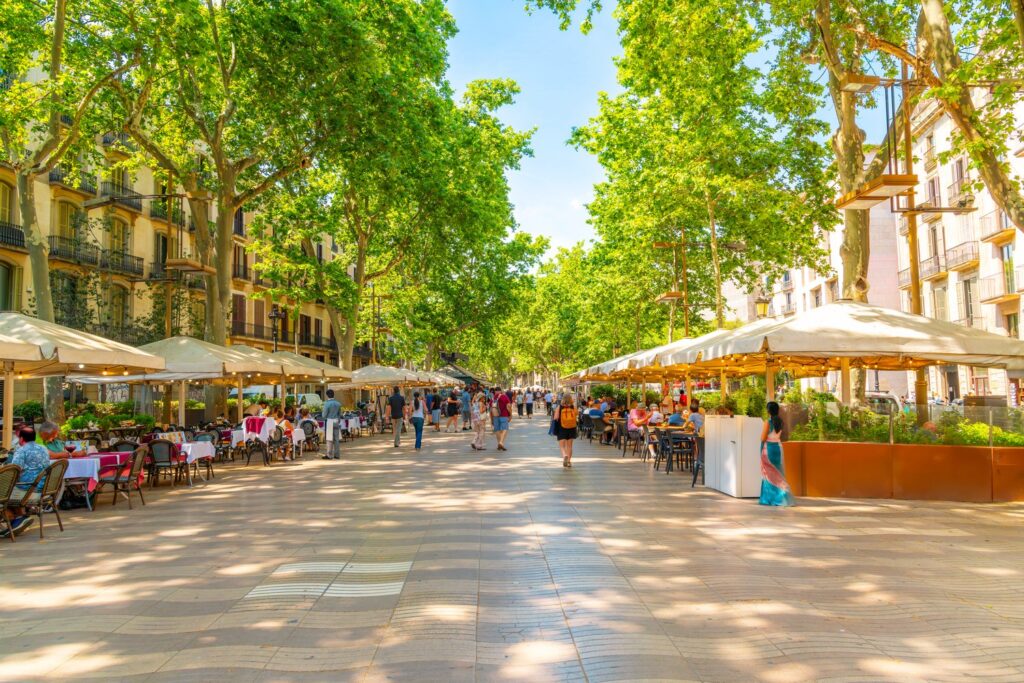
La Rambla is in the middle of a major redevelopment, and traffic heading towards the sea is banned. Bus 59 still runs up La Rambla, but buses going down use Via Laietana, and the V13 now starts and ends at Plaça de Catalunya. For pedestrians, the works mean wider pavements on some stretches and fences on others.
The Liceu is fully accessible. There are street-level entrances, ramps and lifts, wheelchair spaces in the auditorium and an induction loop in the main hall. Book wheelchair spaces when you buy your tickets.
What to see near the Liceu on La Rambla
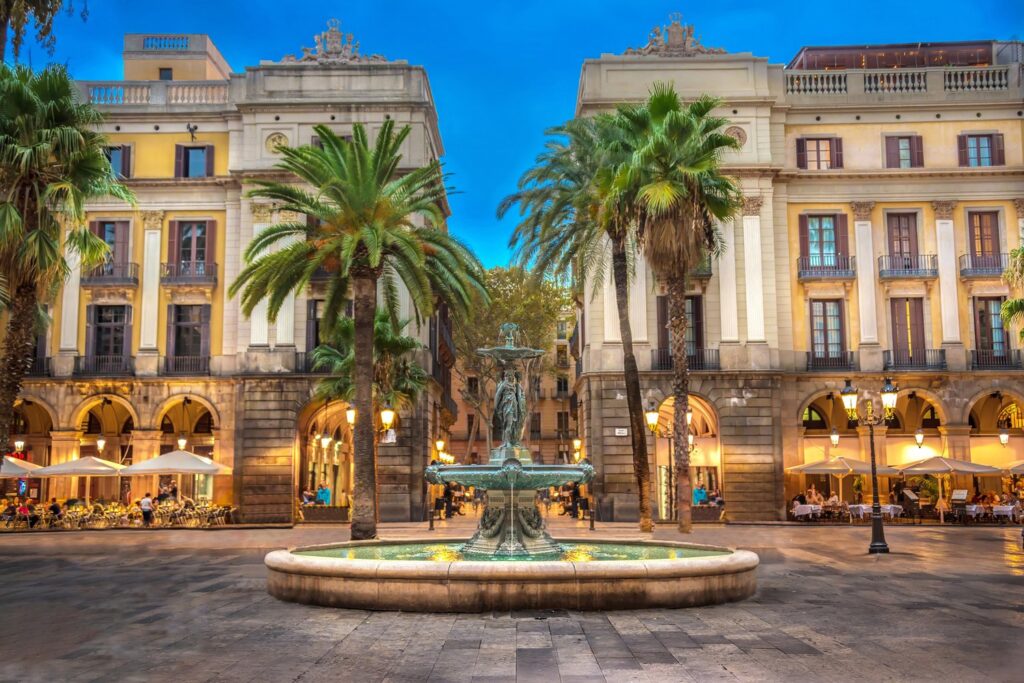
The Liceu is a good anchor for a cultural day in the old town of Barcelona. A few steps up La Rambla, La Boqueria market is the best place for a pre-show snack. On the way, at Pla de l’Os, you walk over a round pavement mosaic by Joan Miró. On the other side of the street, narrow lanes lead into the Gothic Quarter, with the arcaded Plaça Reial and its Gaudí lamp posts only a three-minute walk away.
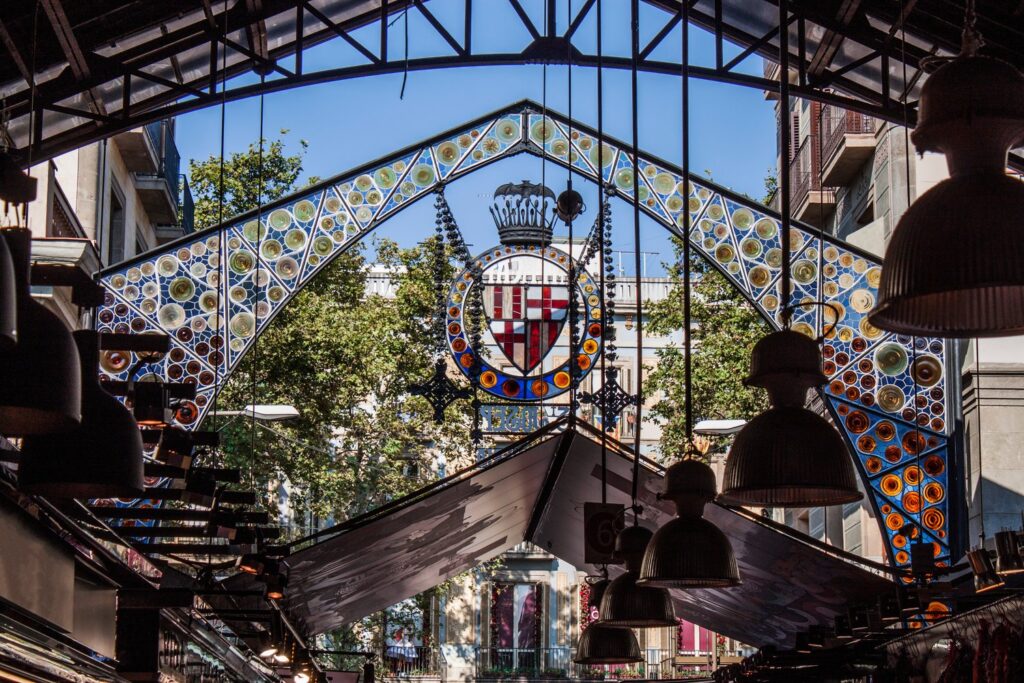
Around the corner, on Carrer Nou de la Rambla, stands Gaudí’s Palau Güell, a mansion built for the same industrial elite who filled the opera boxes. From there it’s a 10-minute walk to the Barcelona Cathedral. At the bottom of La Rambla, the Columbus monument and Port Vell lead you to the Barcelona Aquarium. The Liceu also plans a second venue in the port, Liceu Mar, expected to open around 2032.
If opera isn’t your thing, the city has another great music venue. The Palau de la Música Catalana is a Modernista concert hall in the old town, perfect for chamber music and choirs. And if you’re curious about how the same wealthy families lived, add a visit to Casa Milà on Passeig de Gràcia, Gaudí’s apartment building from the years when the Liceu was at its social peak.
Practical information
- Tours of La Rambla and the Liceu area are worth booking in advance. You can choose from plenty of walks with experienced guides, who’ll show you the highlights, answer your questions and share the stories behind the old town.
- Address: La Rambla 51-59, 08002 Barcelona (metro Liceu, line 3)
- Book tours on GetYourGuide
Hotels near the Gran Teatre del Liceu
Staying near the Liceu means you can walk back to your hotel after the final curtain, even when an opera finishes close to midnight. These three places are all within a few minutes’ walk of the theatre, on La Rambla or in the Gothic Quarter of Barcelona.
💰 Hostal Levante Barcelona
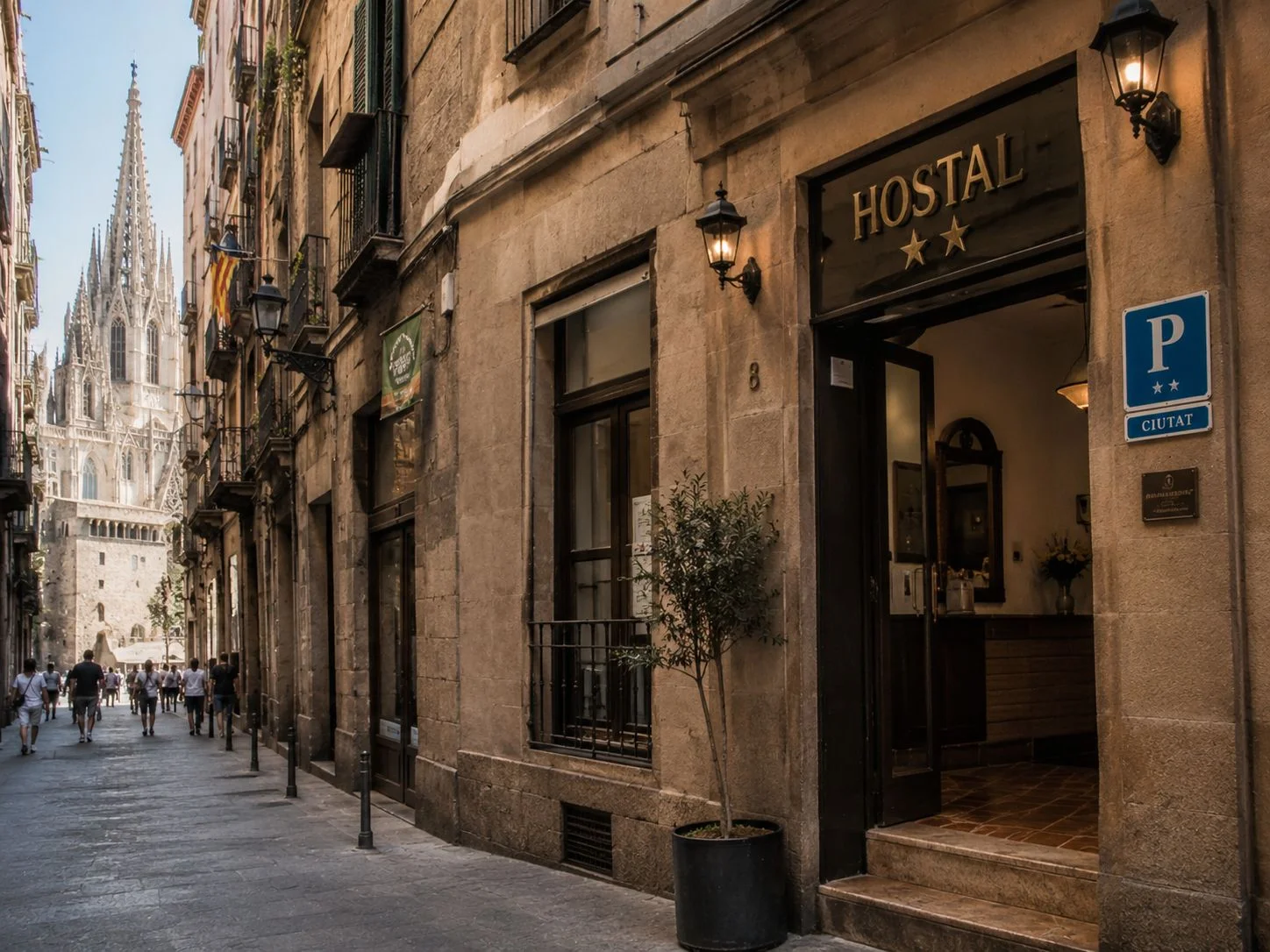
A friendly, good-value guesthouse on Baixada de Sant Miquel, about 100 metres from Plaça Reial and a five-minute walk from the Liceu. The rooms are simple and bright, and some of the apartments have small kitchens, which helps if you’re staying a few nights. You’re right in the heart of the Gothic Quarter, so the cathedral, tapas bars and La Rambla are all within walking distance. It suits travellers on a budget who want a central base rather than extras.
🏨 Hotel 1898
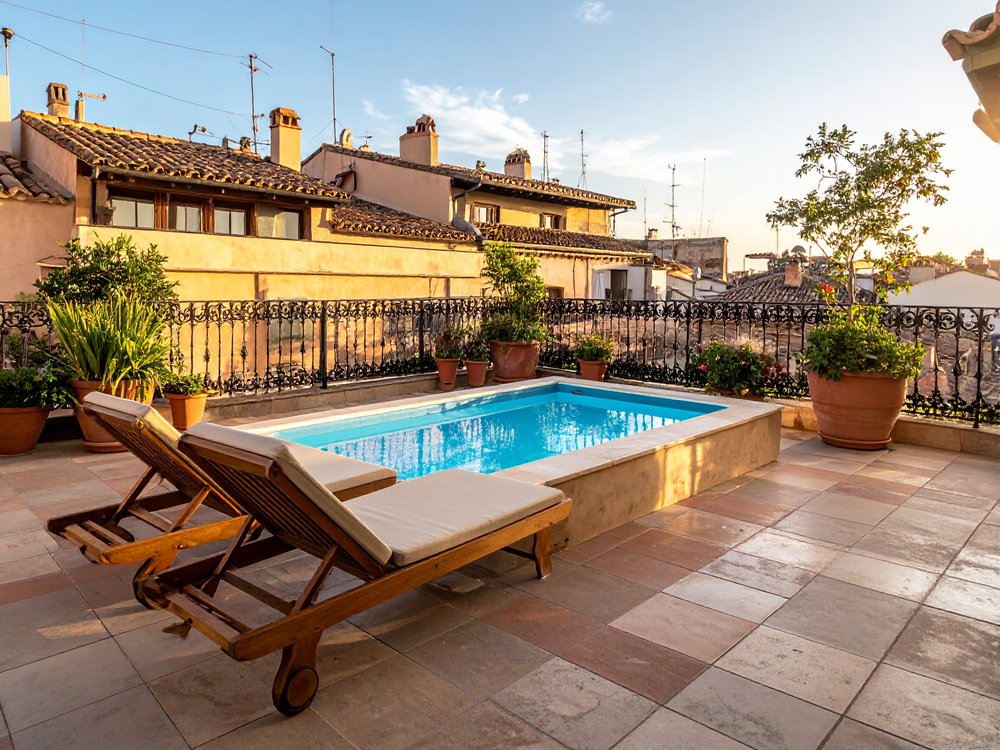
A four-star hotel on La Rambla, set in the former headquarters of the Philippine Tobacco Company. The interiors play on its colonial past, with dark wood, green tones and old photographs. The rooftop terrace has a pool and views over the old town, and it’s a lovely place for a drink before the opera. It’s about five minutes on foot from the Liceu, ideal for couples who want character and comfort without a five-star price.
💎 Hotel Bagués
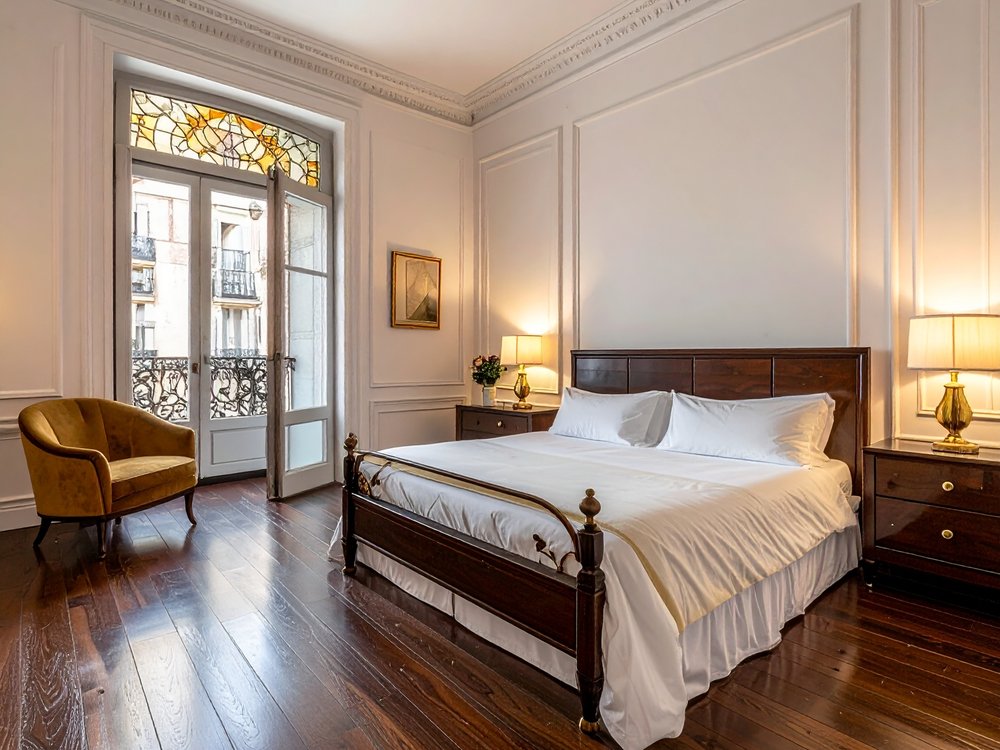
A small luxury hotel on La Rambla, in the building of the Masriera jewellers, a famous Modernista family firm. Its rooms combine gold details and Art Nouveau touches with modern comfort, and the rooftop has a small pool and sun terrace. A little museum of Masriera jewellery adds to the sense of history. It’s a short stroll from the Liceu, making it a perfect choice for a stylish opera night.

