Twenty minutes from the airport, the road narrows to a ribbon of sand with a calm lagoon on one side and the open Caribbean on the other.
Cancun (in Spanish, Cancún) is Mexico’s best-known beach resort and the easiest way into the Yucatán Peninsula from the UK. It sits in the state of Quintana Roo, in southeastern Mexico, and it is younger than most of its visitors: the government began building it in 1970 on a nearly empty sandbar. Today you get two very different places in one. The Hotel Zone is all white sandy beaches, big hotels and turquoise waters, while downtown is a working Mexican city with markets, taco stands and buses full of locals. In this article you’ll find the best things to do in Cancun, which beaches to pick, the day trips worth the early start and practical tips for planning your trip.
💰 Eco-hotel El Rey del Caribe - A garden hotel with a pool in downtown Cancun, close to the bus station.
🏨 Sina Suites Cancun - Adults Only - Adults-only suites on the lagoon side of the Hotel Zone, near Playa Tortugas.
💎 Presidente InterContinental Cancun Resort by IHG - A beachfront resort on the calm bay side, ideal for families.
Things to do in Cancun - A quick overview
Most people visit Cancun for the sea, and it delivers. The water on the Caribbean coast is warm all year, the sand is fine and pale, and the reef starts just offshore. But a week of sunbathing would miss half the fun. Within the city limits you can walk around ancient Maya ruins, snorkel over a museum of underwater sculptures and eat in a park where families gather every evening.
Cancun is also the best base for exploring the Riviera Maya and the Yucatán. Chichén Itzá, Tulum, cenotes, eco parks and quiet islands are all within reach on a day trip. Here’s a simple way to think about it: spend your mornings at the beach, give a couple of afternoons to Mayan history, and plan two or three day trips around the rest of your holiday.
The Hotel Zone - Cancun’s 22 km strip of sand
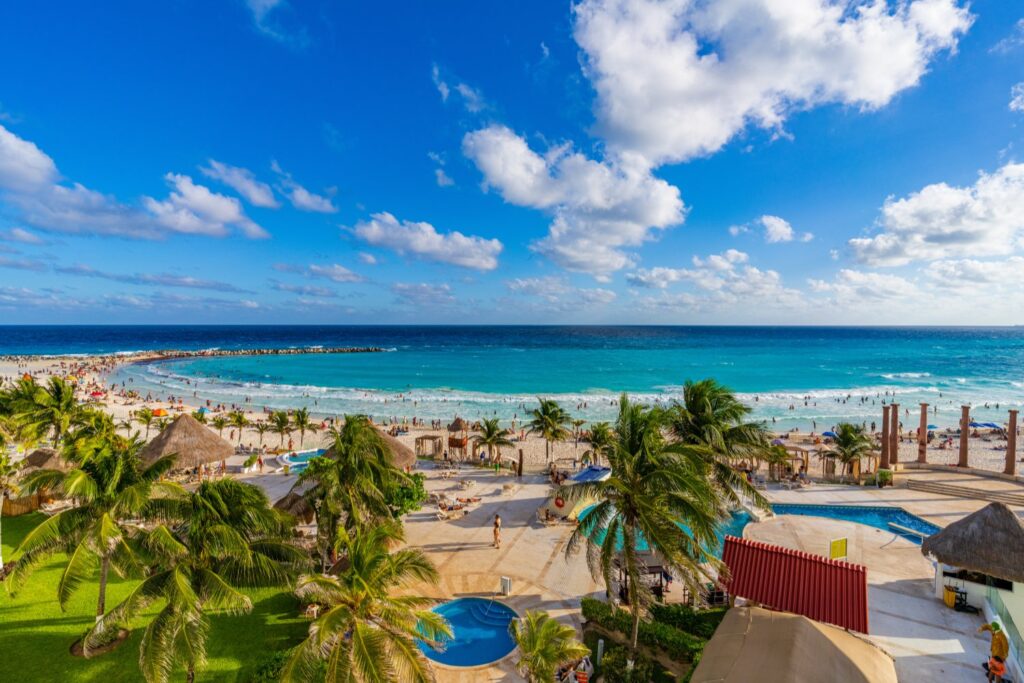
The Hotel Zone (Zona Hotelera) is a narrow island shaped like the number 7, around 22 km long. One road, Boulevard Kukulcán, runs its full length, and addresses are given by kilometre markers, so “km 9” or “km 16.5” will tell you exactly where you are. On the east side you have the Caribbean Sea, on the west side the Nichupté Lagoon with its mangroves and sunset views.
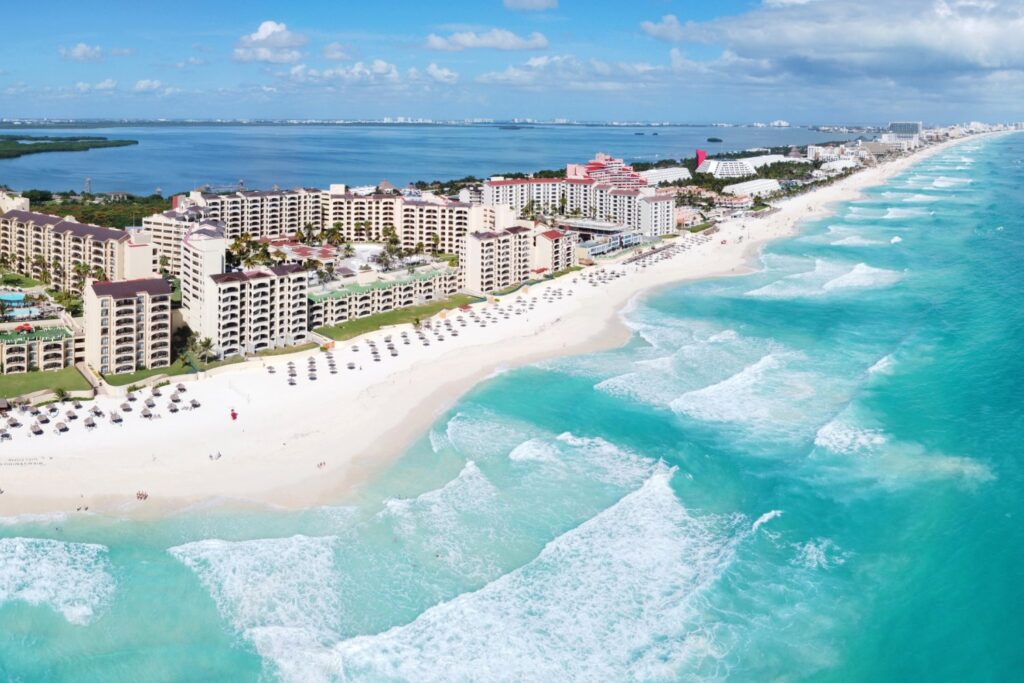
The short top of the 7, between km 3 and km 9, faces the calm water of the bay towards Isla Mujeres. This is where you’ll find the gentle family beaches. The long leg runs south from Punta Cancún, faces the open sea and has bigger waves, wider beaches and most of the large hotels and all-inclusive resorts. At the southern tip, Punta Nizuc is quieter and greener.
Getting around is easy. Local buses marked R-1 and R-2 run up and down the boulevard day and night and continue into downtown. Taxis are everywhere, but agree the fare before you get in, as they don’t use meters.
Cancun beaches - Which one should you pick?
All beaches in Mexico are public by law, so you can walk onto any stretch of sand in front of a hotel. Cancun has more than 20 km of beaches, and they fall into two groups: calm bay beaches in the north and open-sea beaches along the long eastern shore. The flags matter here. A red or black flag means strong currents, and the open-sea side can be rough even on sunny days.
Playa Delfines - The best beach for the view
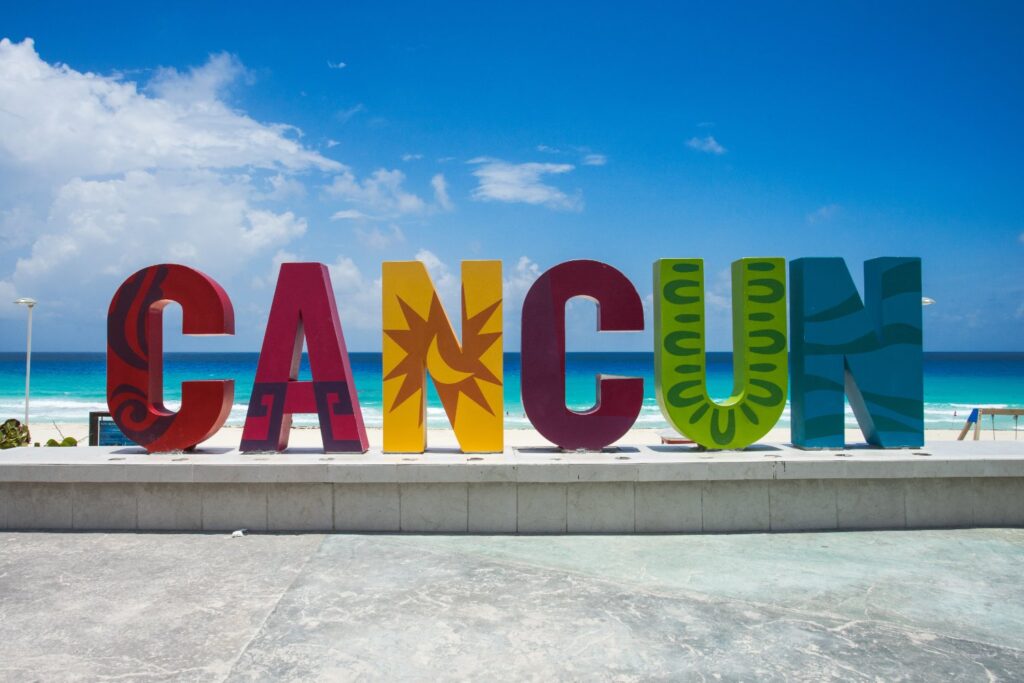
Playa Delfines, near km 18, is the beach most locals would call the best beach in Cancun. There are no hotels behind it, just a viewpoint (El Mirador) with the colourful Cancun letters, a wide slope of soft white sand and endless turquoise water. The waves can be strong and swimming is not always safe, so go for the scenery, a long walk and photos rather than a lazy swim.
Playa Tortugas and Playa Langosta - Calm water and ferries
On the bay side, Playa Tortugas (km 6.5) is busy, cheerful and full of beach bars. It’s also one of the piers for ferries to Isla Mujeres. A few minutes west, Playa Langosta has calm waters and a more relaxed atmosphere, which makes it one of the most popular beaches for families with small children.
Playa Las Perlas and Playa Caracol - Quiet corners near Punta Cancún
Playa Las Perlas, near km 2, is a small public beach with palapas (thatched shelters) and shallow water. It feels more local than the rest of the Hotel Zone. Playa Caracol, by Punta Cancún, has crystal clear waters and sits close to the restaurants and nightlife of the Party Center.
Playa Chac Mool and Playa Marlín - The classic open sea
From Punta Cancún south, the beach becomes one long band of sand. Playa Chac Mool (around km 10) and Playa Marlín (around km 13) are typical of this stretch, with deep blue water and lifeguard towers. They’re good for long walks and bodysurfing on calm days. Plan a sunset on the lagoon side afterwards, as the sun sets over the Nichupté, not over the sea.
El Rey archaeological site - Maya ruins between the hotels
You don’t have to leave the Hotel Zone to see ancient Mayan ruins. The El Rey archaeological site, around km 18, is a small walled settlement with 47 stone structures, set among low jungle and full of iguanas sunning themselves on the walls. Most of what you see dates from the Late Postclassic period, roughly between 1200 and 1550, when it was a trading stop on the Maya coastal routes.
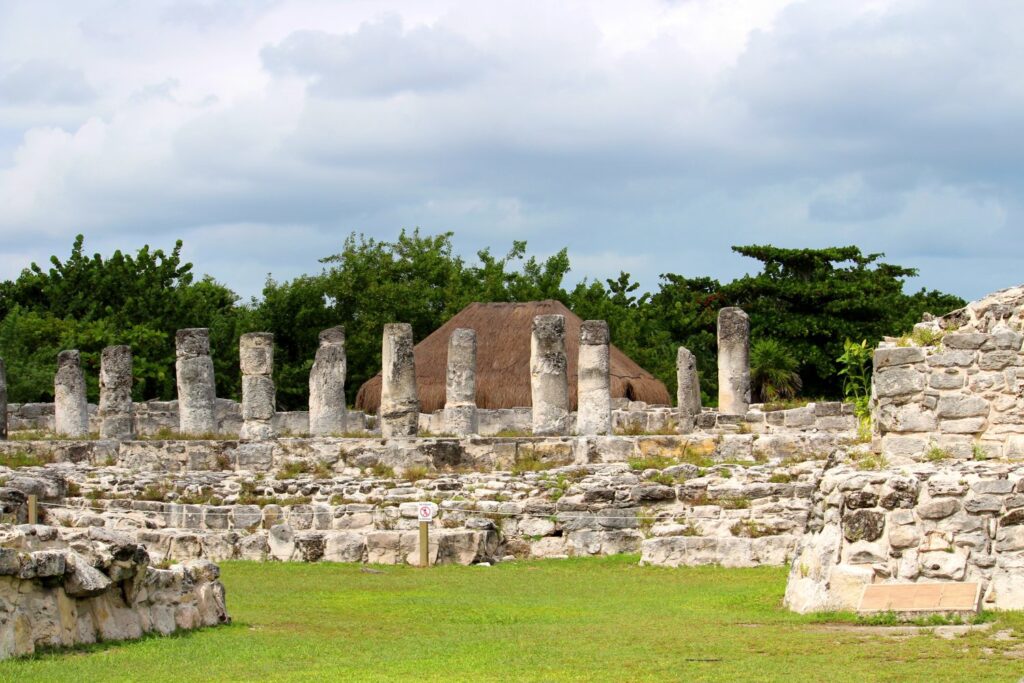
El Rey reopened in July 2025 after renovation, with new toilets, ticket offices and a car park. It opens every day and an hour or so is enough to walk the main street and its platforms. Go early in the morning, when it’s cooler, and you may have the ruins to yourself. It pairs well with Playa Delfines, which is a short walk away.
Museo Maya de Cancún and San Miguelito
The Museo Maya de Cancún, at km 16.5, is the best place in the city to get into Mayan history before your day trips. The museum building opened in 2012, and its three halls hold hundreds of pieces from sites across Quintana Roo and the Yucatán, from jade jewellery and pottery to carved stone and burial offerings.
Your ticket also includes San Miguelito, an archaeological site in the museum’s grounds. A jungle path leads you past a small pyramid and stone buildings that were in use between the 13th and 16th centuries. Allow around two hours for both and bring insect repellent for the garden path.
Underwater Museum of Art (MUSA) - Snorkel tour or scuba diving
The Museo Subacuático de Arte, better known as MUSA, is one of the most unusual things to do in Cancun. Since 2009, more than 500 life-size sculptures have been placed on the seabed between Cancun, Punta Nizuc and Isla Mujeres. The idea was to take pressure off the natural reef, and it worked: the figures are now covered in coral, sponges and marine life.
Some galleries lie in shallow water and are ideal for a snorkel tour, while the deeper sculpture garden at Manchones is best seen while scuba diving. Even complete beginners can try a guided first dive here. On snorkelling trips you’ll usually be asked to wear a life jacket, which is part of the park rules, so don’t be surprised.
Nichupté Lagoon - Jungle tour by speedboat
The Nichupté Lagoon behind the Hotel Zone is a maze of mangrove channels. The classic jungle tour puts you at the wheel of a small speedboat for two people. You follow a guide through the mangroves and out to a reef for some snorkelling. It’s a fun, short activity for a free afternoon and a good choice for nature lovers who’d like to see herons, fish and maybe a crocodile from a safe distance.
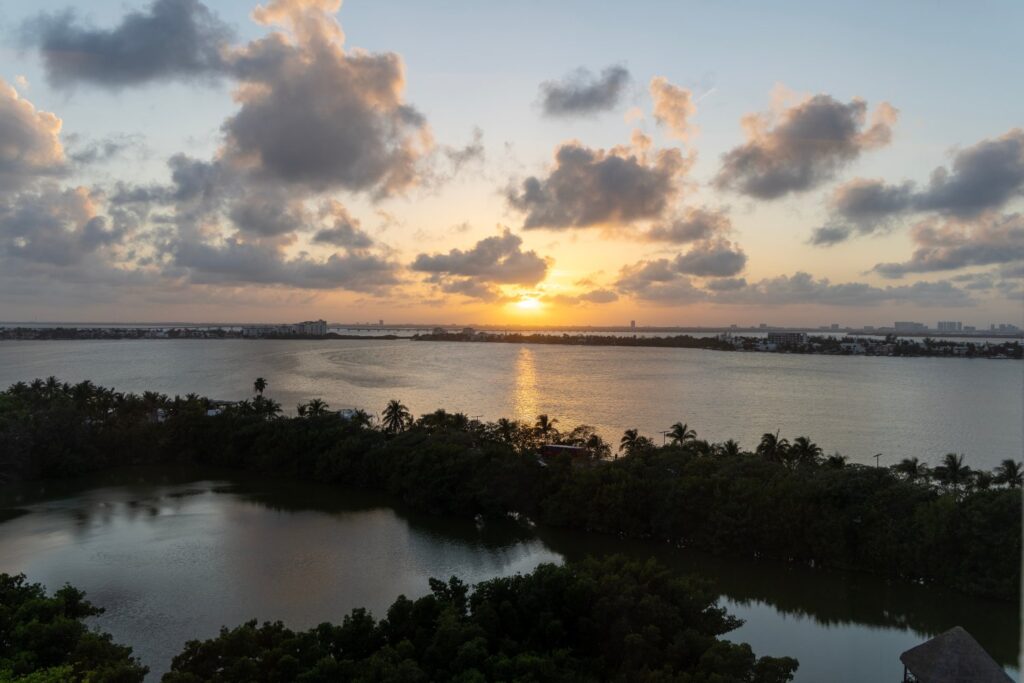
The lagoon is not a place for swimming. Crocodiles live there, and signs along the shore make the point clearly. If you’d rather stay on dry land, walk the lagoon-side paths near km 9 or book a table at one of the waterfront restaurants for sunset.
Downtown Cancun - Parque de las Palapas and Mercado 28
Downtown Cancun is where locals live, and it’s well worth an evening. Start at Parque de las Palapas, the main square, where families gather after dark and street food stalls sell marquesitas (crispy rolled crêpes, often filled with cheese), tacos and fresh juices. There’s often live music or dancing at the weekend.
A few blocks away, Mercado 28 is an open-air market of souvenir stalls and small restaurants serving cochinita pibil, ceviche and tacos al pastor. Bargaining is normal. Downtown prices for food and drink are much lower than in the Hotel Zone, and you’ll also find the main bus station (ADO) on Avenida Tulum, from where buses leave for the Riviera Maya.
Cancun nightlife - Coco Bongo and the Party Center
Cancun’s nightlife is concentrated around km 9 of the Hotel Zone, in the area known as the Party Center. Clubs, bars and restaurants stay busy until the early hours, especially during peak season and spring break, when American students arrive in large numbers in March.
The best-known venue is Coco Bongo, which is part nightclub, part theatre show. Acrobats fly over the dance floor and performers act out scenes from films and music videos between DJ sets. It’s loud, crowded and great fun if you go in the right mood. Tickets sell out on busy nights, so book in advance and check what your ticket includes before you go.
Isla Mujeres day trip - Playa Norte and a golf cart ride
Isla Mujeres, a narrow island about 7 km long, lies just across the bay. Ferries leave from Puerto Juárez, a short taxi ride north of downtown, and from piers in the Hotel Zone such as Playa Tortugas. The crossing takes around 15-30 minutes, depending on where you board.
On the island, the town is compact and colourful. Walk to Playa Norte, often called one of the world’s best beaches thanks to its shallow, calm waters, or rent a golf cart and drive to Punta Sur, the southern tip, for cliffs and a small Maya shrine to the goddess Ixchel. A day trip to Isla Mujeres is the easiest way to see a slower side of the Mexican Caribbean, and it’s one of the top things to do in Cancun if you have only a few days.
FUN FACT: The island’s name means “Island of Women”, after the female figures of Maya goddesses that Spanish sailors found there in the 16th century.
Isla Contoy - A bird island with a daily visitor cap
North of Isla Mujeres, Isla Contoy is a national park and one of the most important nesting sites for seabirds on the Caribbean coast. Only 200 visitors a day are allowed on the island, and you can only go on a licensed tour. Boats usually stop at a reef for snorkelling and continue to Isla Mujeres in the afternoon.
Expect frigatebirds, pelicans and cormorants, a small visitor centre and a beach with pristine sand and no hotels at all. Because of the cap, it’s a good idea to book a few days ahead, especially in winter.
Day trips from Cancun
Cancun’s location makes it a natural base for the region’s biggest attractions. The trips below start with hotel pickup, but you can also do most of them with a hire car, which gives you the freedom to arrive early before the tour buses.
Chichén Itzá and Cenote Ik Kil
Chichén Itzá is the classic day trip from Cancun, around 200 km and two and a half to three hours inland. The ancient Maya city is a UNESCO World Heritage Site and one of the New Seven Wonders of the World. Its pyramid, El Castillo, is one of the most famous images of Mexico. Most tours combine it with a swim at Cenote Ik Kil, a deep, round sinkhole with hanging vines and roots. Many also stop for lunch in the colonial town of Valladolid. In English the name is often written without accents, as Chichen Itza, so look for both spellings when you book.
Tulum and the Riviera Maya
South of Cancun, the Riviera Maya runs along the coast towards Tulum, about two hours away by road. There, the Maya ruins stand on a cliff above the Caribbean Sea. On the way you pass Playa del Carmen, a lively town with a pedestrian street and the ferry to Cozumel, which is about an hour from Cancun. Combined tours often add a swim in a cenote or with turtles at Akumal.
Xcaret and the eco parks
If you’re travelling with the whole family, a day at one of the eco parks south of Cancun is hard to beat. Xcaret mixes underground rivers, wildlife and a big evening show about Mexican history. Its sister parks, Xplor and Xel-Há, focus on ziplines, underground rivers and snorkelling in a natural inlet.
Puerto Morelos and the reef
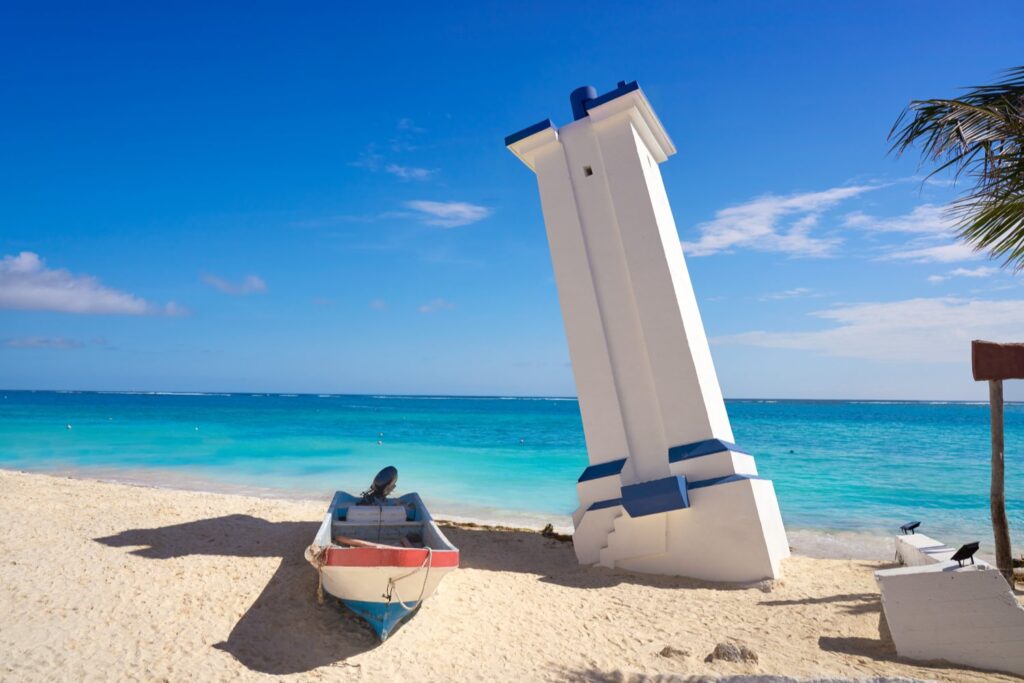
Puerto Morelos, half an hour south of the airport, is a small fishing town with a leaning lighthouse and a protected reef just 500 m from the beach. The snorkelling here is easier and calmer than off the Hotel Zone, and it’s a good half-day trip if you want to see reef fish, turtles and rays without a long drive.
Holbox, whale sharks and Las Coloradas
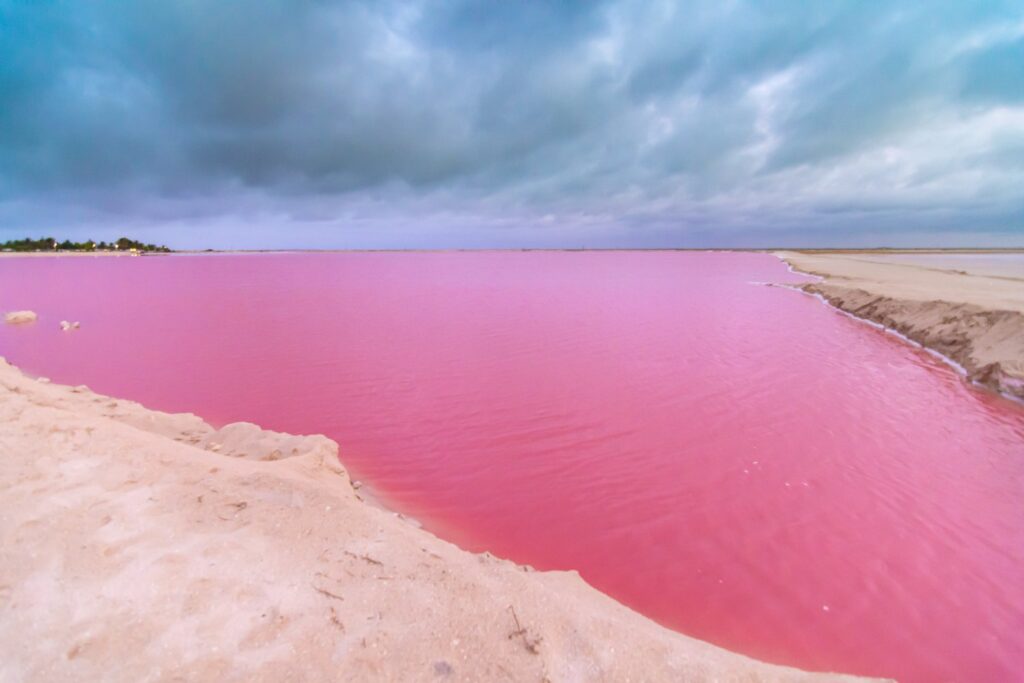
Holbox is a sandy, car-free island off the northern tip of the Yucatán, reached by road and a short ferry from Chiquilá. From roughly June to mid-September, whale sharks gather in the waters between Holbox, Isla Mujeres and Cabo Catoche, and licensed boats take small groups to swim with them. Further west, Las Coloradas is famous for its pink lagoons, coloured by algae and tiny shrimp in the salt pans. Both are long days from Cancun, so consider staying a night if you can.
How many days in Cancun is enough?
Five to seven days is a good length for a first visit. That gives you two or three days for the beaches, El Rey, the Museo Maya and downtown, plus time for two or three day trips, for example Isla Mujeres, Chichén Itzá and Tulum. With just a long weekend, focus on the Hotel Zone and Isla Mujeres. If you have two weeks, split your stay between Cancun and a second base further south on the Riviera Maya, so the long drives don’t eat into your holiday.
When to visit Cancun - Weather, hurricanes and seaweed
The best time to visit Cancun is from December to April, when the weather is dry and sunny, with daytime temperatures around 27-30°C and lower humidity. This is also peak season, so book flights and hotels early, especially for Christmas, New Year and Easter.
From May the heat and humidity rise, and the hurricane season runs from 1 June to 30 November, with the highest risk usually from August to October. Many storms miss the area, but it’s worth buying good travel insurance. Sargassum seaweed is the other thing to watch. In some years large amounts wash onto the beaches between spring and late summer, mainly on the open-sea side. The calm bay beaches and Isla Mujeres are usually less affected.
Getting to and around Cancun
Cancun has the busiest airport in the region and direct flights from the UK. British Airways and TUI fly from London Gatwick, TUI also flies from Manchester, and Virgin Atlantic runs winter flights from London Heathrow. The flight takes around 10 hours. UK passport holders don’t need a visa for a tourist stay; the immigration officer decides how many days you get, up to 180.
The airport is about 20 minutes’ drive from the southern end of the Hotel Zone. ADO buses connect it with downtown Cancun and Playa del Carmen, and there are also shuttles and taxis. To explore beyond the city at your own pace, car hire in Cancun is straightforward, and the main roads to Tulum and Chichén Itzá are good. Within the Hotel Zone you won’t need a car at all, as buses run all day.
If you’d like to compare places to stay in both the Hotel Zone and downtown, book early for the winter months, when the best-value rooms go first.
See available places to stay in Cancun
Hotels in Cancun
Where you stay shapes your trip. Downtown is cheaper and closer to local life, while the Hotel Zone puts the beach on your doorstep. Here are three options for different budgets.
💰 Eco-hotel El Rey del Caribe
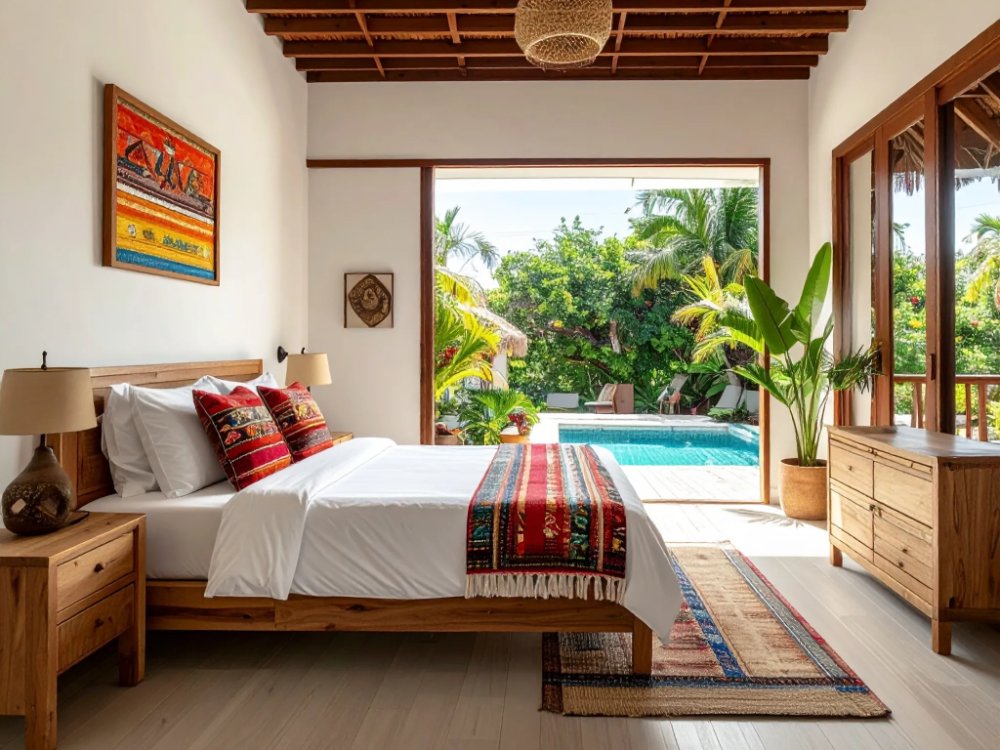
This small eco-friendly hotel sits on Avenida Uxmal in downtown Cancun, within walking distance of the ADO bus station and Parque de las Palapas. Rooms are set around a leafy garden with an outdoor pool and a hot tub, and they come with a kitchenette, which helps keep costs down. It’s a good pick if you want a calm base on a budget and plan to spend your days on day trips and buses.
🏨 Sina Suites Cancun - Adults Only
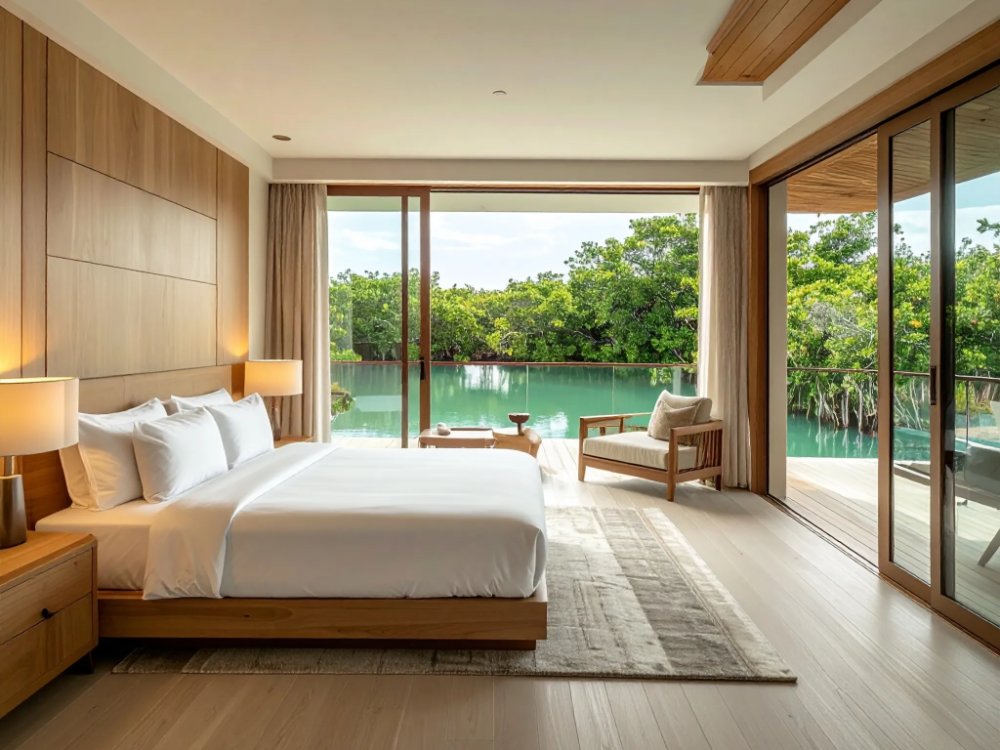
An adults-only hotel on the lagoon side of the Hotel Zone, next to the golf club and less than a kilometre from Playa Tortugas. Rooms are spacious suites, and there’s an outdoor pool, a garden terrace, a restaurant and a bar. It suits couples who want to be close to the beaches and ferries without paying beachfront prices.
💎 Presidente InterContinental Cancun Resort by IHG
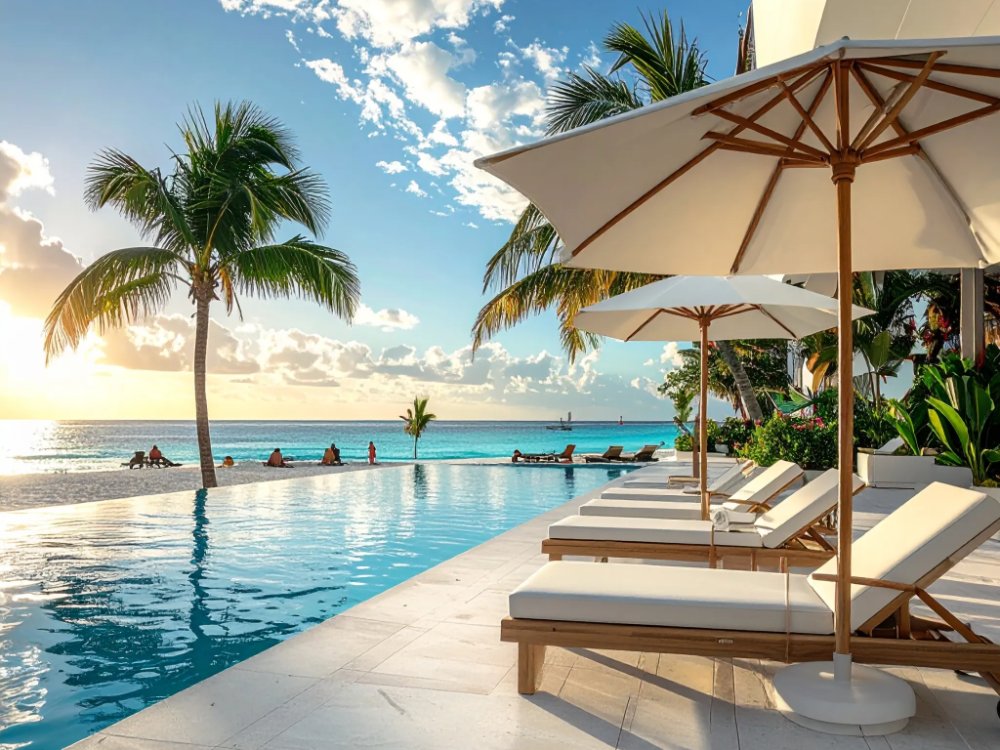
A beachfront resort at km 7.5 of Boulevard Kukulcán, right on the calm bay side and about 200 m from Playa Tortugas. The water in front of the hotel is shallow and gentle, which is rare in Cancun. There’s a kids’ club, outdoor pools, a fitness centre and free bikes. It’s ideal for families and anyone who wants to swim in calm sea every day.
Cancun FAQ
Is Cancun worth visiting?
Yes, especially for a first trip to Mexico. Cancun combines some of the best beaches in the Caribbean with easy access to Mayan history, from El Rey and the Museo Maya in the city to Chichén Itzá and Tulum on day trips. Direct flights from the UK make it simple to reach.
Is Cancun its own island?
Partly. The Hotel Zone is a long, narrow island between the Caribbean Sea and the Nichupté Lagoon, joined to the mainland by bridges at both ends. Downtown Cancun, where most locals live, is on the mainland.
What is the worst time to go to Cancun?
September and October are usually the least comfortable months. They’re hot and humid, they fall in the middle of the hurricane season and rain is most likely. Spring and summer can also bring sargassum seaweed to the open-sea beaches, although it varies a lot from year to year.
Is Tulum beach better than Cancun?
They’re different. Tulum has a more bohemian feel, smaller hotels and beaches backed by jungle and ruins. Cancun has wider beaches, more choice of hotels and better connections. Many visitors stay in Cancun and visit Tulum on a day trip.
What to do near the Hotel Zone in Cancun?
Within the Hotel Zone you can visit the El Rey ruins and the Museo Maya, take a jungle tour on the lagoon or catch the ferry to Isla Mujeres from Playa Tortugas. Downtown, a short bus ride away, has Parque de las Palapas and Mercado 28.

