Some of the paintings inside were peeled off church walls high in the Pyrenees, rolled up and carried down the mountains by mule. A century later, they still glow.
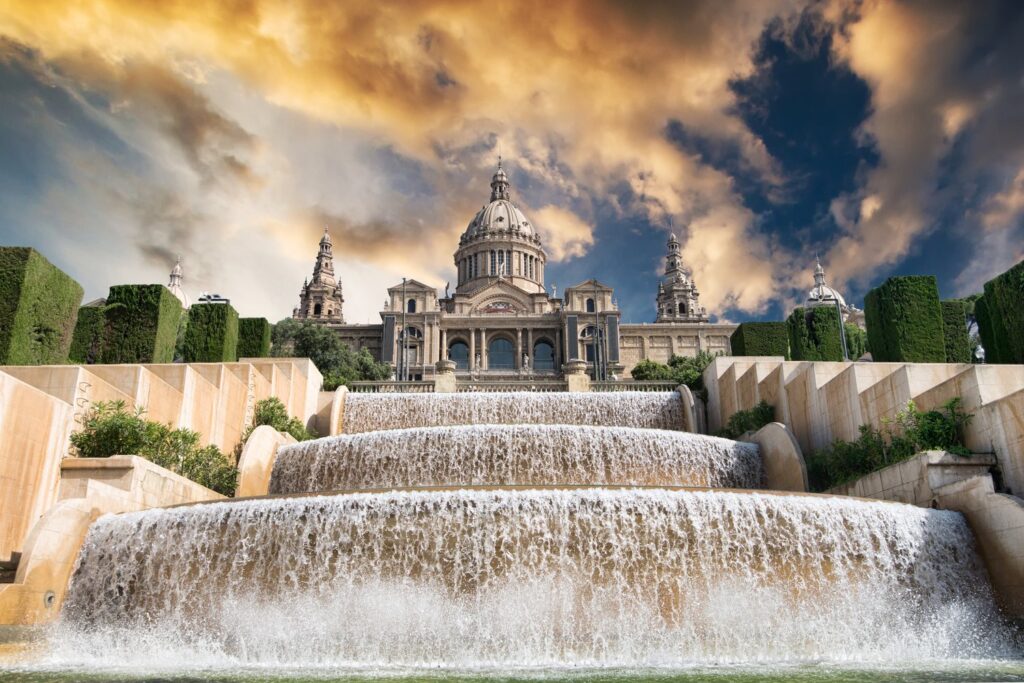
The Museu Nacional d’Art de Catalunya, or MNAC, is the great art museum of Barcelona, and one of the most rewarding in Spain. It fills the domed Palau Nacional on the slopes of Montjuïc and covers almost a thousand years of Catalan art, from Romanesque murals to the modernist furniture of Gaudí. In English you’ll often see it called the National Art Museum of Catalonia.
In this article you’ll find what to see in each collection, how the tickets and free entry work, how long to spend inside and how to reach the Palau Nacional without climbing every step. If you’re planning a day on the hill, the museum is the natural first stop before the gardens, the castle and the evening fountain show.
💰 Hotel Acta Azul Barcelona - Good-value hotel with a roof terrace on Gran Via, close to Plaça d’Espanya.
🏨 Catalonia Barcelona Plaza - Four-star hotel on Plaça d’Espanya with a rooftop pool.
💎 Hotel Miramar Barcelona GL - Five-star hotel with gardens and a spa on the slopes of Montjuïc.
Why visit the Museu Nacional d’Art de Catalunya?
The MNAC is famous for one thing above all: the most complete collection of Romanesque mural painting in the world. Between 1919 and 1923, after some Catalan murals had been sold and shipped to the United States, experts removed the paintings from small rural churches in the Pyrenees to save them. They were transferred to canvas and rebuilt inside the museum in apses that copy the shape of the original chapels.
That alone would justify the trip, but the permanent collection goes much further. You can walk from the 11th century to the Spanish Civil War in a single visit, with Gothic altarpieces, Renaissance and Baroque art, Catalan modernism and a strong collection of photography along the way. Add the Oval Hall, the rooftop views and the setting above the Magic Fountain, and it’s easy to see why many visitors rate it above the better-known museums in the old town.
MNAC tickets, free entry and opening hours
From October to April, the museum is open Tuesday to Saturday from 10am to 6pm. From May to September it stays open until 8pm on those days. On Sundays and public holidays it closes at 3pm all year, and it’s closed on Mondays (except public holidays), 1 January, 1 May and 25 December. Ticket offices close 30 minutes before closing time.
A general admission ticket covers the building, the permanent collection, the temporary exhibitions and the Rooftop Viewpoint. It’s valid for two days within a month of purchase, so you can split a long visit in two. There’s also a cheaper basic admission that covers the building and the rooftop only, which suits travellers who mainly want the views.
When is entry to the MNAC free?
Free entry is available every Saturday from 3pm, on the first Sunday of each month and on open door days. You need to reserve a free timed slot online in advance, as numbers are limited. Children under 16 and EU residents over 65 also get in free, which makes the museum a good choice for families.
Museum passes and audio guide
If you’re visiting several galleries, the Articket BCN pass includes the MNAC plus five other art museums, such as the Picasso Museum and the Fundació Joan Miró, and stays valid for a year. An audio guide is available, and it’s worth it in the Romanesque section, where the stories behind each church make the murals come alive.
What to see in the MNAC art collection
The museum is big, with more than 50,000 square metres of floor space, so it helps to know where the highlights are. The collections are laid out roughly in chronological order. The Romanesque and Gothic art is on the ground floor, while the Renaissance, Baroque and modern art is upstairs.
Romanesque art - The Christ of Sant Climent de Taüll
Start with the star of the whole museum. The Christ in Majesty from the apse of Sant Climent de Taüll, painted around 1123, stares out from a recreated chapel with huge almond eyes and a book reading “Ego sum lux mundi”. The church itself is in the Vall de Boí, a group of Romanesque churches on the UNESCO World Heritage list.
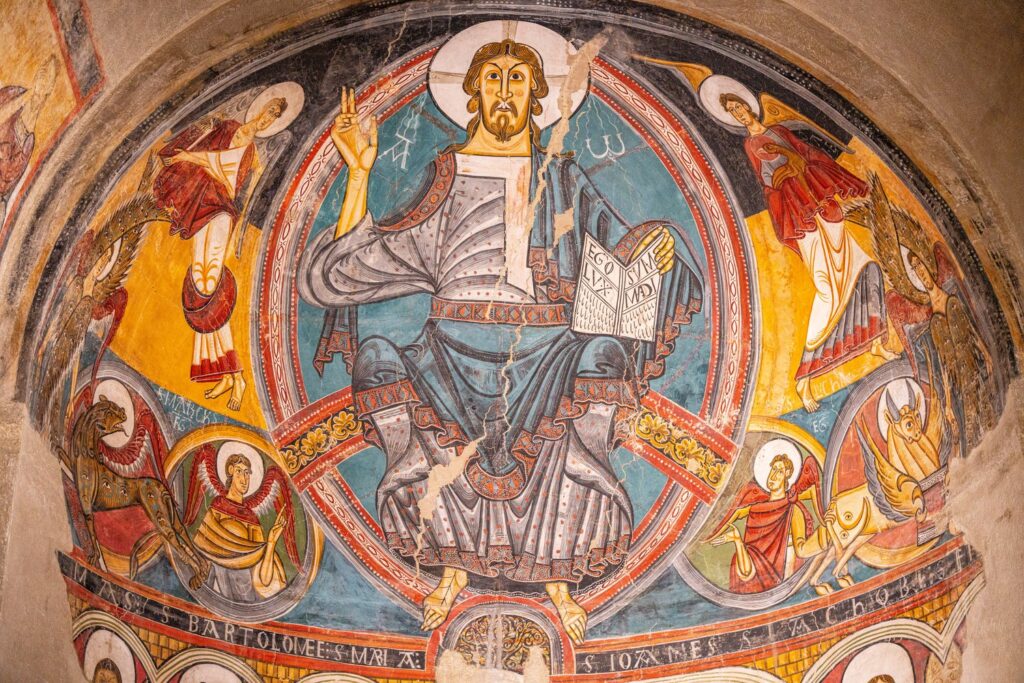
Around it, room after room of Romanesque murals, carved wooden Madonnas and painted altar fronts shows how bright medieval churches once were. Take your time here. Most visitors rush to the famous Christ and miss the smaller, more intimate pieces next door.
Gothic art and the Virgin of the Councillors
The Gothic collection covers the 13th to the 15th centuries, when Catalonia was a Mediterranean power. Look for the gold-backed altarpieces of Jaume Huguet and the Virgin of the Councillors by Lluís Dalmau, painted in 1445 for Barcelona city hall. Its Flemish style shows how far the city’s merchants travelled.
Renaissance and Baroque art
Upstairs, the Renaissance and Baroque art includes works by El Greco, Zurbarán and Ribera, painters of the Spanish Golden Age. Part of this section comes from the Thyssen-Bornemisza collection, on long-term loan to the museum. Don’t miss Fra Angelico’s Madonna of Humility, one of its most delicate paintings.
Modern art, Gaudí and Picasso
The modern art collection is the most fun for many visitors. It runs from the early 19th century to the 1940s and shows how Catalan modernism shaped the city you walk through every day. You’ll see the huge Battle of Tetuan by Marià Fortuny and the famous painting of Ramon Casas and Pere Romeu riding a tandem, which once hung in the café Els Quatre Gats.
Design lovers should head to the rooms with furniture from Gaudí’s Casa Batlló and Casa Calvet, with chairs and benches shaped to fit the body. There’s also Picasso’s Woman in Hat and Fur Collar from 1937, a strong link to his early years in the city. Photography and drawings complete the picture, including documentary images of daily life in the 20th century.
The Palau Nacional, the Oval Hall and the rooftop
The building is a sight in its own right. The Palau Nacional was built for the 1929 International Exposition, designed by Eugenio Cendoya and Enric Catà in a Spanish Renaissance style, with a great dome inspired by St Peter’s in Rome. The Museum of Art of Catalonia moved in and was officially inaugurated in 1934. Today’s MNAC was created in 1990, and the Italian architect Gae Aulenti led the long renovation that finished in 2004.
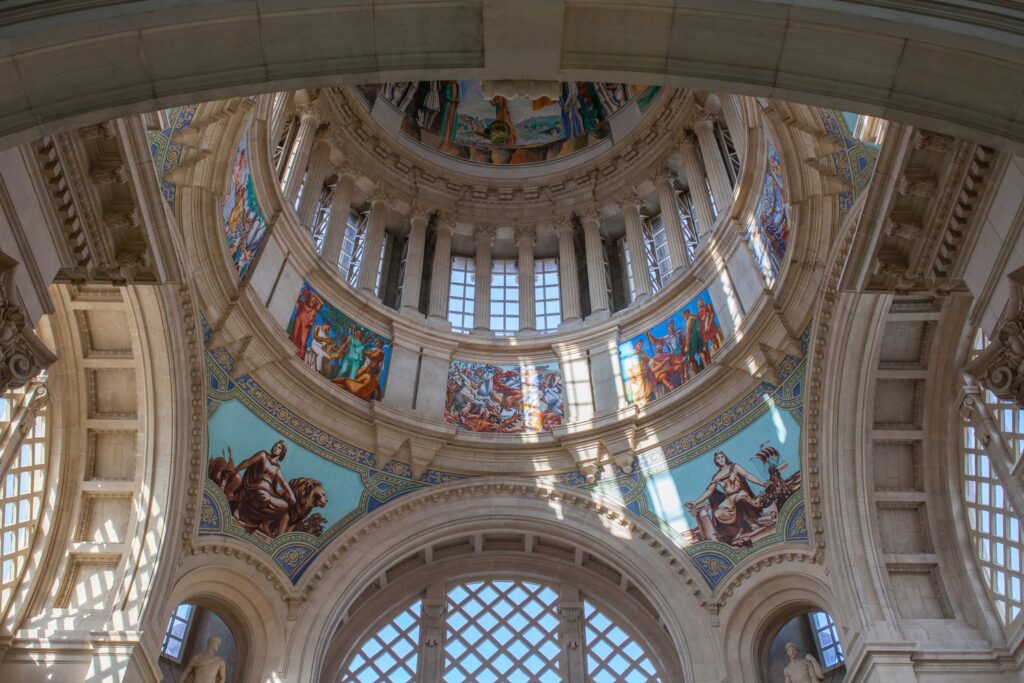
Inside, step into the Oval Hall, a vast space under the dome that once hosted the opening of the Exposition and now holds concerts and events. Then head up to the Rooftop Viewpoint, included in your ticket. From the terraces you get a panoramic view over Plaça d’Espanya, the Magic Fountain and the city all the way to the sea.
How long do you need at the MNAC?
Plan on three hours if you want to see the highlights of each collection without rushing. Art lovers can easily spend a full day, which is why the two-day ticket is so useful. With limited time, focus on the Romanesque section and the modern art upstairs, then finish on the rooftop.
With kids, two hours is usually enough. The museum regularly runs family activities, and children under 16 get in free. Younger visitors tend to love the huge painted apses and the views from the terraces.
How to get to the National Art Museum of Catalonia
The museum sits at the top of the stairs above the Magic Fountain in Parc de Montjuïc. The nearest metro station is Espanya on lines L1 and L3. From Plaça d’Espanya, walk past the Venetian towers along Avinguda de la Reina Maria Cristina, then take the outdoor escalators that run up the hill beside the steps. Allow about 15 minutes.
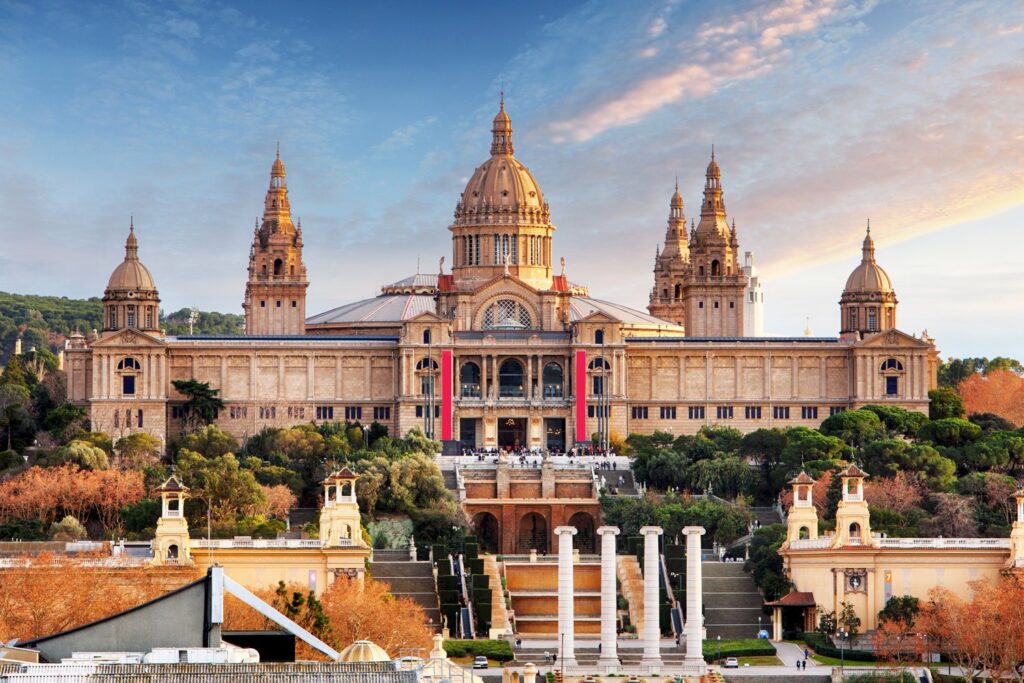
Bus 150 also climbs Montjuïc and stops close to the museum, which helps if you have a pushchair. After your visit, it’s easy to continue to the Poble Espanyol, the Fundació Joan Miró or the Montjuïc cable car. Stay until dusk if the Magic Fountain is running, as the shows start right below the museum terraces.
Practical information
- MNAC tickets are best booked in advance. You’ll skip the queue at the ticket office and can plan your visit around the rooftop and temporary exhibitions.
- Address: Palau Nacional, Parc de Montjuïc, 08038 Barcelona
- Buy tickets on GetYourGuide
Hotels near the National Art Museum of Catalonia
Staying around Plaça d’Espanya puts you at the foot of Montjuïc, with fast metro links to the rest of Barcelona and the airport bus close by.
💰 Hotel Acta Azul Barcelona
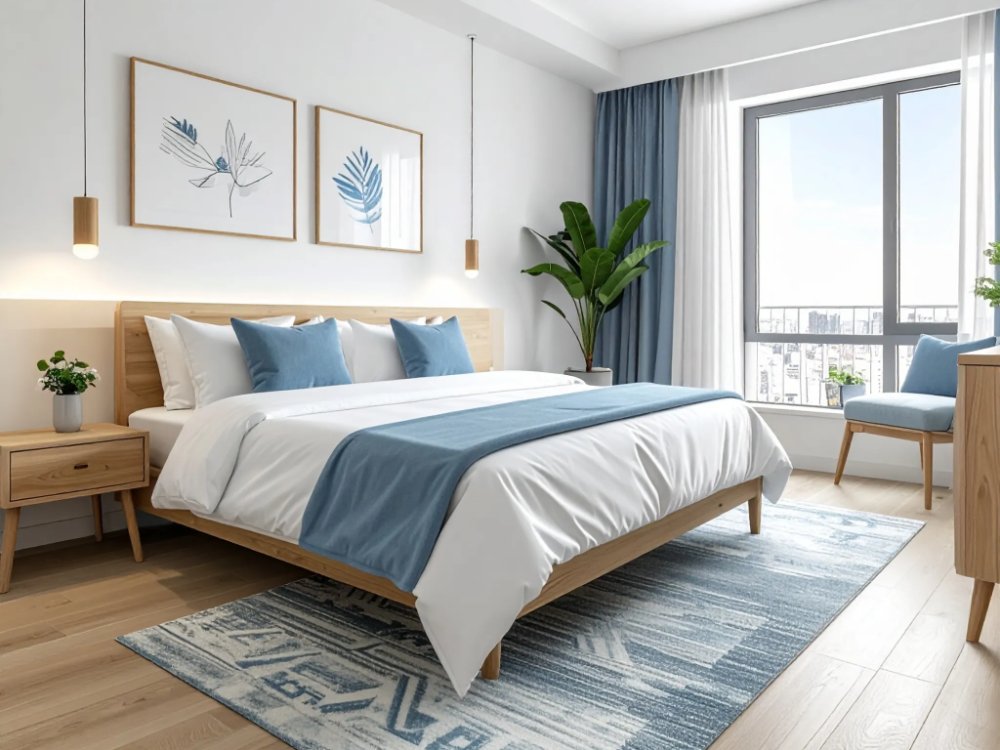
A good-value hotel on Gran Via de les Corts Catalanes, a short walk from Plaça d’Espanya and about 1 km from the museum. Rooms are simple and modern, and there’s a roof terrace for a drink in the evening. Espanya metro station is close, so getting around the city is easy. It suits travellers who want a practical base near Montjuïc without paying for a pool or spa.
🏨 Catalonia Barcelona Plaza
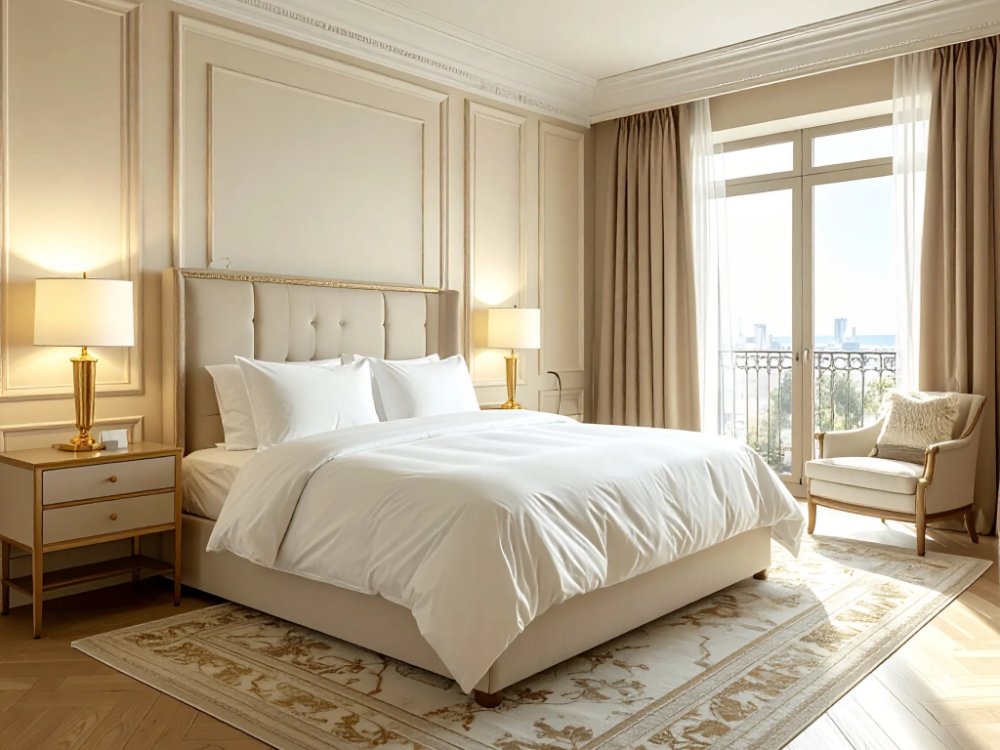
A large four-star hotel right on Plaça d’Espanya, facing the Venetian towers and the road up to the Palau Nacional. Rooms are classic and comfortable, and the rooftop pool has views of Montjuïc. You can walk to the MNAC and the Magic Fountain in about 15 minutes. It’s a reliable choice for couples and families who want location and a pool.
💎 Hotel Miramar Barcelona GL
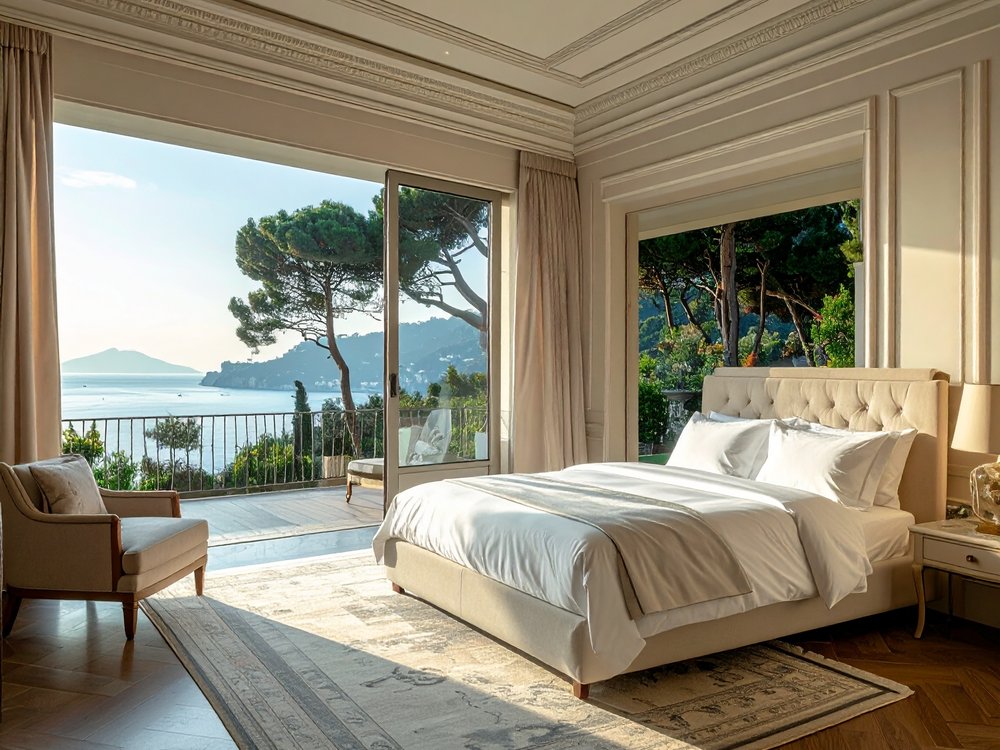
A five-star hotel on the slopes of Montjuïc, set in a building from the 1929 Exposition with gardens, a pool and a spa. Some rooms look out over the port and the sea. It’s next to the Miramar station of the Port Cable Car and a pleasant walk through the park to the museum. Choose it for a calm, special stay away from the busy streets below.
MNAC Barcelona FAQ
Is the MNAC worth visiting?
Yes, especially if you enjoy medieval art. Its Romanesque mural collection is the most complete in the world, and the modern art rooms show how Catalan modernism developed. The rooftop views alone make the climb up Montjuïc worthwhile.
Is the National Art Museum of Catalonia free on Saturdays?
Yes. Entry is free every Saturday from 3pm and on the first Sunday of each month, but you need to book a free timed slot online first. Children under 16 get in free at any time.
How long does it take to see the MNAC?
Most visitors spend about three hours. If you only want the highlights, two hours is enough for the Romanesque murals, the modern art and the rooftop. Your ticket is valid for two days, so you can come back.
What is the difference between the MNAC and the Magic Fountain?
They’re two different sights next to each other. The MNAC is the art museum inside the Palau Nacional, and the Magic Fountain is the free light and music show at the foot of its steps. Many visitors see the museum in the afternoon and the fountain in the evening.
Can you go on the MNAC rooftop without visiting the museum?
Yes. The basic admission ticket gives access to the building and the Rooftop Viewpoint without the collections. The general ticket also includes the rooftop, so you don’t need both.

