Its reputation usually arrives before you do. Then you find Renaissance gardens on the cliffs, a castle above the waves and a cove that most people walk straight past.
Lloret de Mar is the biggest resort on the Costa Brava, about 75 km north-east of Barcelona and 30 km from Girona airport. Many people know it for packed beaches and late nights, and that side of town certainly exists. Yet the list of things to do in Lloret de Mar is much longer than the main strip suggests. You can swim in pine-backed coves, climb an 11th-century watchtower, wander through the Santa Clotilde Gardens and follow the coastal path towards Tossa de Mar. In this article you’ll find the best beaches, the old town, the Indianos heritage, boat trips, ideas for families and easy day trips along the Costa Brava coast.
💰 Hotel Helios Lloret - A three-star promenade hotel 150 m from the main beach in central Lloret de Mar.
🏨 Hotel Delamar Adults Only - A four-star adults-only hotel 50 m from Lloret de Mar’s main beach.
💎 Hotel Santa Marta - A five-star hotel in 7 hectares of woodland above the secluded Playa Santa Cristina cove.
Things to do in Lloret de Mar at a glance
Most Lloret de Mar attractions sit within walking distance of each other, so you can see a lot without a car. If you only have a day or two, start with the main beach and the short walk to the Castell de Sant Joan. Add the Santa Clotilde Gardens above Sa Boadella, then spend an evening in the old town around the Church of Sant Romà. On a second day, take a boat trip along the rocky coastline or hike the coastal paths to Canyelles. Families can plan a whole afternoon at Water World, while couples often prefer a sunset catamaran cruise.
The town works well as a base, too. Girona is about 40 minutes away by car, and Tossa de Mar is a short drive or boat ride up the coast. If you want to visit Lloret de Mar without the crowds, come in May, June or September. The sea is still warm, the queues are shorter and the beaches feel much calmer.
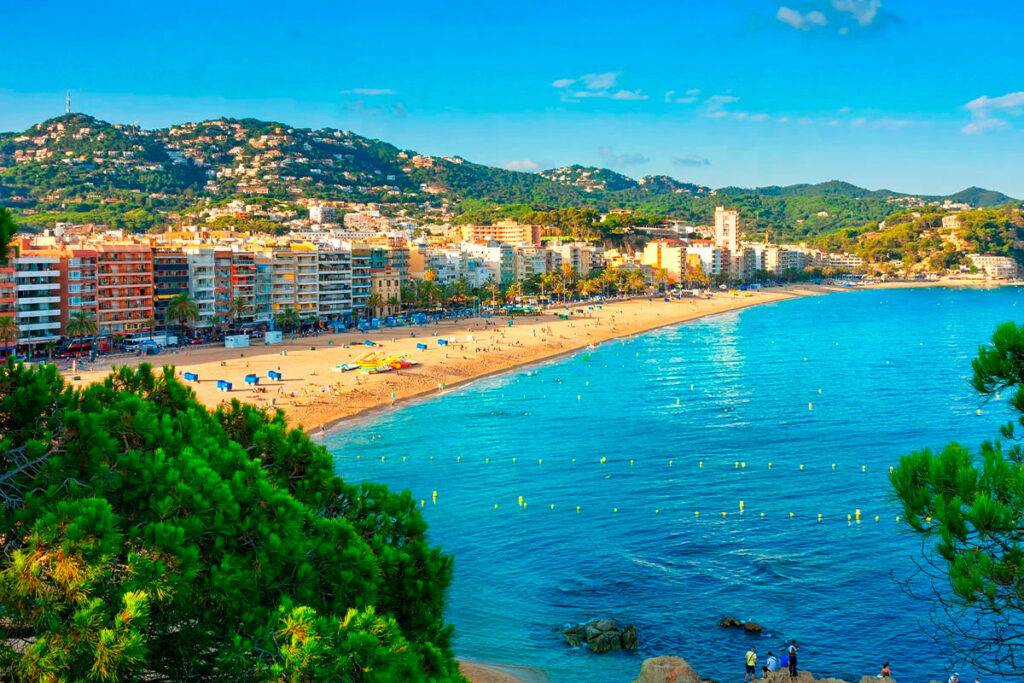
Lloret de Mar beaches are the main reason most people come, and five of them regularly fly the Blue Flag. The sand here is coarse and golden rather than fine, so it doesn’t stick to everything. Between the beaches, rocky cliffs covered in pine trees drop straight into clear water, which makes the coves perfect for snorkelling.
Lloret Beach, the main beach
Lloret Beach (Platja de Lloret) runs for about 1.6 km in front of the town centre and is one of the longest beaches on the Costa Brava. The promenade behind it, lined with palms, cafés and shops, is where the town comes to stroll in the evening. This is the place for beach activities and water sports, from pedal boats and paddleboards to jet skis and parasailing. It gets busy in July and August, so arrive early if you want a spot near the water.
Fenals Beach
Fenals Beach lies just south of the centre, a short walk over the headland or about 15 minutes on foot along the coast. At roughly 700 m it is the second-largest beach in town, and it feels noticeably calmer than the main strip. Pine trees shade its southern end, and there are plenty of hotels and restaurants within walking distance. Many families choose Fenals for a quieter holiday with easy access to the centre.
Santa Cristina Beach
Santa Cristina Beach sits between two wooded hills a few kilometres south-west of the town centre. It has calm water, free access and basic facilities, and it is one of the most popular beaches with local families at weekends. Above the sand stands the Santa Cristina hermitage, rebuilt at the end of the 18th century around an older chapel. Every 24 July, on the feast day of the town’s patron saint, a sea procession carries a relic by boat from the main beach to Santa Cristina.

Sa Boadella
Sa Boadella is a small cove of around 250 m, tucked below the cliffs and the Santa Clotilde Gardens. You reach it down a path through the trees, which keeps it pleasantly low-key even in summer. The crystal-clear waters are ideal for snorkelling, and part of the beach is traditionally used by naturists. Bring water and snacks, as facilities are limited.
Canyelles Beach
Canyelles Beach lies north-east of the centre, on the way to Tossa. It is around 450 m long and is home to the town’s only marina, so you’ll see sailing boats bobbing at anchor. A small cluster of restaurants sits right on the sand, and the water is usually calm. It is a lovely place for a long lunch and a swim away from the crowds.
Lloret de Mar old town and the Church of Sant Romà
Lloret de Mar old town is small but rewarding. Its narrow streets and old houses sit just behind the seafront, with little squares, ice-cream shops and the town hall on Plaça de la Vila. It takes only an hour or so to walk around, but come back in the evening when the terraces fill up.

The highlight is the parish church of Sant Romà (often signposted without the accent, as Sant Roma), finished in 1522 in Catalan Gothic style. It was built as a fortified church where locals could shelter from pirate raids. In the early 20th century the architect Bonaventura Conill added Modernista chapels and the colourful tiled domes you see today, partly paid for by returning emigrants. The mix of Gothic, Byzantine and Modernista details makes it one of the most unusual churches on the Costa Brava.
The Indianos route, the Maritime Museum and the Modernist Cemetery
In the 19th century many local families emigrated to Cuba and other parts of the New World. Some came home rich, and these “Indianos” left their mark on the town with grand villas, schools and public buildings. A walk along the Indianos route takes you past several of these houses in and around the centre.
Museu del Mar (Maritime Museum)
The Museu del Mar fills Can Garriga, an Indiano house from 1887 on the seafront promenade. The maritime museum tells the story of Lloret’s sailors, shipbuilders, fishermen and emigrants through ship models, maps and personal objects. It is a good stop on a hot afternoon or a rainy day, and it puts the rest of the town in context.
The Modernist Cemetery
The Modernist Cemetery may sound like an odd recommendation, but it is one of the most beautiful places in town. Building began in 1896 and was completed in 1901, and wealthy Indiano families commissioned leading Catalan architects for their pantheons. You’ll find work by Josep Puig i Cadafalch, Antoni Maria Gallissà and Bonaventura Conill among the sculptures and stained glass. The cemetery is part of the European Cemeteries Route, so remember that it is still in use and keep your voice low.

Castell de Sant Joan and the fisherman’s wife
Castell de Sant Joan stands on the hill overlooking the main beach and Fenals. Its origins go back to the turn of the 11th century, and its tower helped defend Lloret from attacks by sea during the Middle Ages and long after. The castle was badly damaged by British ships in 1805, and the tower has since been restored. Climb the spiral staircase inside for one of the best views of the bay, especially late in the afternoon.
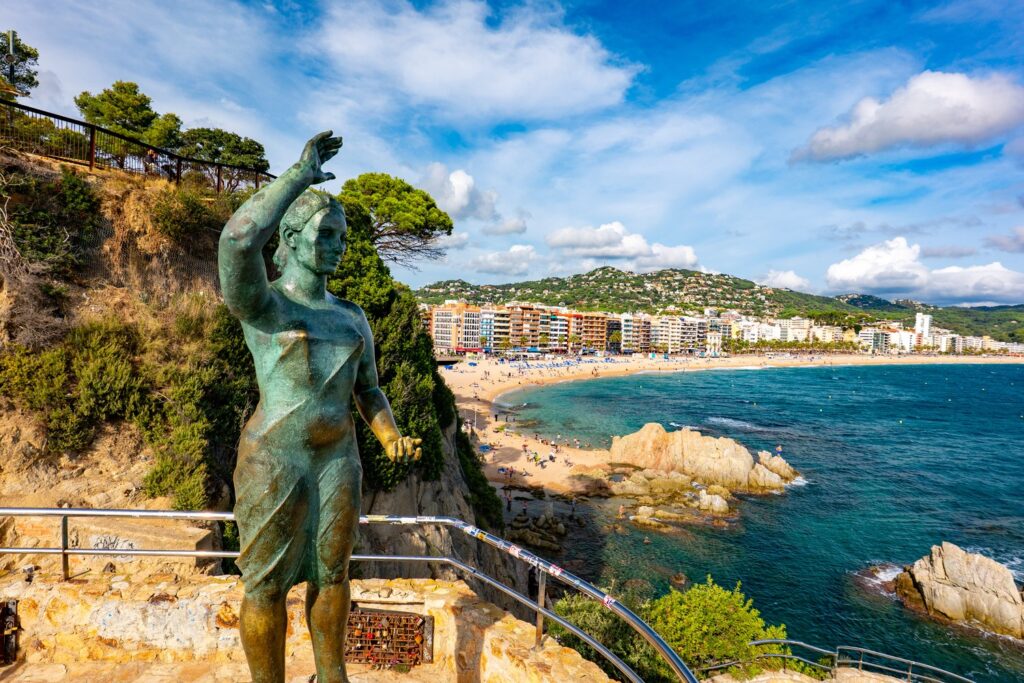
On the rocks below the castle you’ll meet the Dona Marinera, the bronze statue of a fisherman’s wife gazing out to sea. Sculptor Ernest Maragall created it as a tribute to the women who waited for their husbands to return. Local legend says that if you touch her foot while looking at the horizon, your wish will come true. Just beyond her, Cala Banys is a rocky inlet loved by snorkellers and anglers.
FUN FACT: The Dona Marinera was unveiled in 1966 to mark the town’s millennium.
Castell d’en Plaja
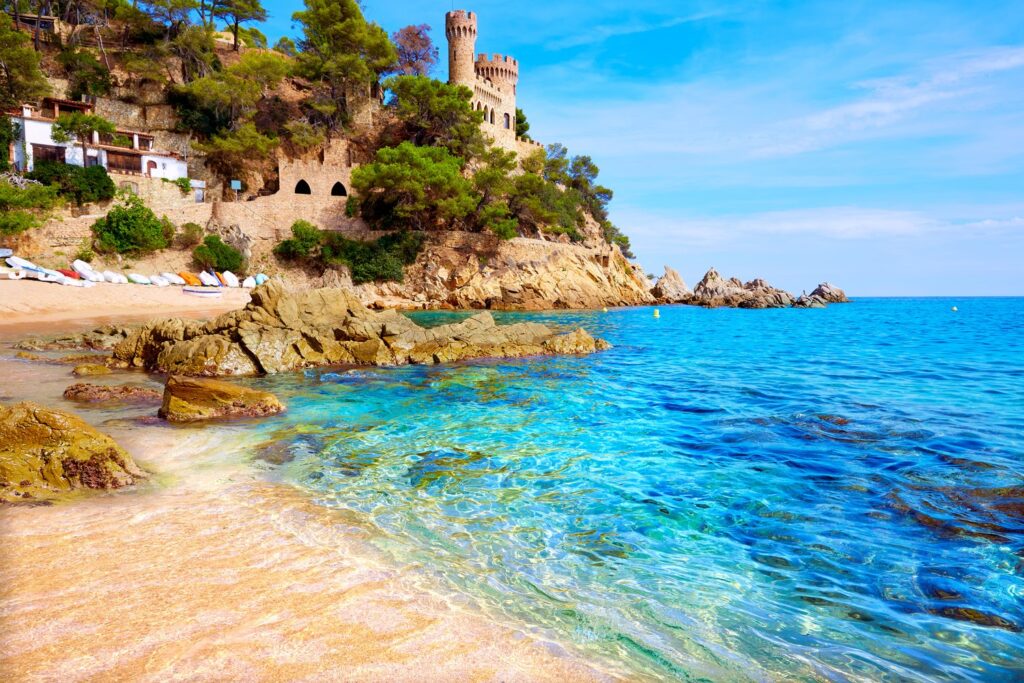
Castell d’en Plaja looks like a medieval castle, but it is a 20th-century summer home built for Narcís Plaja, a wealthy industrialist from Girona who made his fortune in biscuits. Work began in the 1930s and finished in the 1940s, after the Civil War. It stands on a rocky point above Sa Caleta, the little cove at the end of the main beach, and it is the image on half the postcards in town. Long a private house, it is now open to visitors, with an immersive exhibition on climate change and a bar with a terrace. Even if you don’t go in, the walk past it at sunset is one of the simplest pleasures of a stay here.
Santa Clotilde Gardens
The Santa Clotilde Gardens are the best reason to look past the beach. The Marquis of Roviralta commissioned them in 1919, and the landscape architect Nicolau Maria Rubió i Tudurí laid them out in an Italian Renaissance style on a clifftop above Sa Boadella. Cypress-lined avenues, staircases, fountains and terraces lead down to viewpoints over the sea. The sculptures of mermaids resting on the lawns are a favourite photo stop.
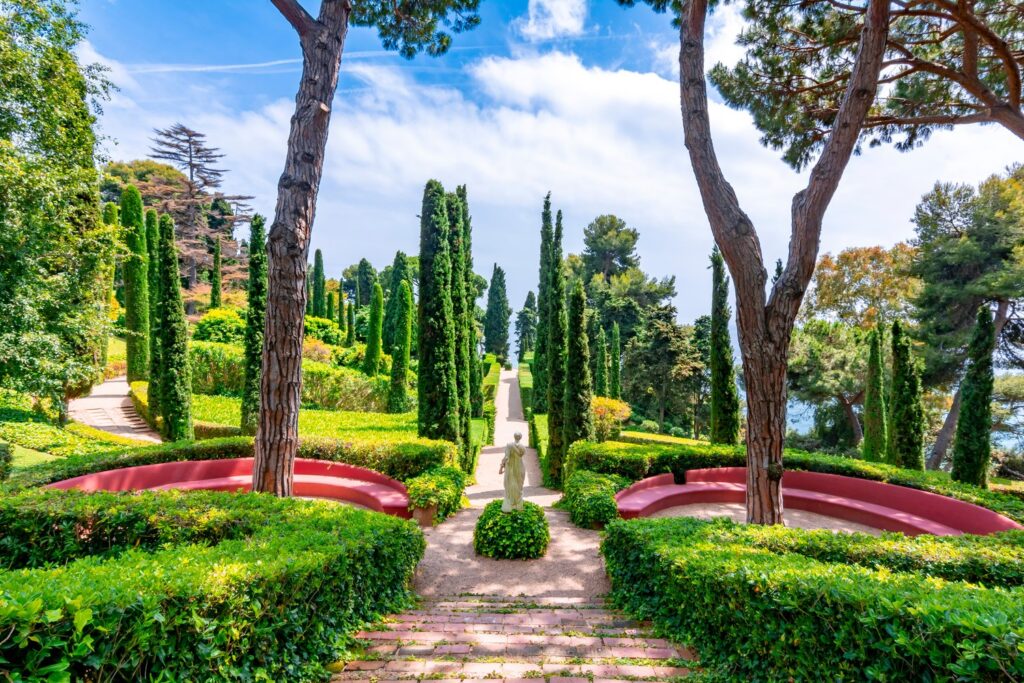
Allow about an hour, and come early in the morning or near closing time, when the light is soft and the paths are quiet. You can walk there from Fenals in about 15 minutes, or take a short drive or bus ride from the centre.
Puig de Castellet and Iberian Lloret
Long before the resort, Iberian tribes lived on the hills around Lloret. Puig de Castellet, about 2 km from the centre, is a small fortified Iberian settlement from the 3rd century BC. You can still see its walls and the foundations of its houses, and the hilltop views explain why people chose to live here. Two other Iberian sites, Turó Rodó and Montbarbat, complete the picture, though they’re mainly for keen history buffs. Opening times are limited, so check before you go.
Walk the coastal paths
The coastal paths are where Lloret shows its wild side. The old camí de ronda, once used by fishermen and coastguards, links the beaches and coves. It is now part of the long-distance GR92 footpath along the Catalan coast. Easy stretches take you from the main beach past Sa Caleta to Fenals in about 15 minutes, or north towards Canyelles.
If you have a full day, walk all the way to Tossa de Mar in three to four hours and catch a boat or bus back. The path climbs and drops through pine woods, past rocky cliffs and secluded coves, with sea views almost the whole way. Wear proper shoes, bring plenty of water and avoid the midday heat in summer. Inland, well-marked trails popular with mountain bikers lead into the hills.
Boat trips and catamaran cruises
Seeing the coast from the water is one of the top things to do in Lloret de Mar. Boat trips leave from the main beach from spring to autumn and run along the coastline to Tossa de Mar, passing coves you can’t reach on foot. Glass-bottomed boats are popular with children, as you can watch the fish below while you sail.
For a longer outing, choose a catamaran cruise with a stop for swimming and snorkelling in a quiet bay. Some trips include a barbecue lunch and drinks on board, while sunset cruises add music and a more relaxed party feel. Book a few days ahead in July and August, as the best departures sell out.
Water sports and scuba diving
The clear water around Lloret is ideal for water sports. You can hire kayaks and paddleboards on the main beach or join a guided kayaking and snorkelling trip to the sea caves north of town. The rocky seabed around the headlands is full of fish, octopus and seagrass, so even a mask and snorkel can turn a swim into an adventure.
If you’ve always wanted to try scuba diving, this is a good place to start. Local dive centres run introductory dives for complete beginners, with a short briefing on land and a shallow dive with an instructor. If you prefer something faster, there are jet skis, flyboards and parasailing on the main beach, and bungee jumping for real thrill-seekers.
Lloret de Mar with kids - Water World and Gnomo Park
Lloret has plenty of family-friendly attractions. Water World, on the edge of town, is one of the largest water parks on the Costa Brava, with high-speed slides, wave pools and splash areas for little ones. It usually opens from late May to September, and free buses run from several points in the resort during the season.

Gnomo Park is a smaller family park built around themed mini golf courses set among greenery. It is ideal for an evening when the children still have energy to burn. On rainy days you can try the Antarctica 360 gallery, an interactive photo museum, or a trampoline park in town.
Nightlife and the Gran Casino Costa Brava
Lloret de Mar is famous for its nightlife, and in summer the streets behind the beach stay busy until sunrise. Big nightclubs, karaoke bars and cocktail terraces are concentrated in a few streets, so it is easy to avoid them if you’d rather sleep. Many hotels on Fenals or above Santa Cristina feel a world away from the noise.

For a more grown-up evening, try the Gran Casino Costa Brava, which also hosts shows and concerts. Cocktail-tasting sessions, a seafood dinner on the promenade or a sunset catamaran cruise are other good options. The town also runs events such as Lloret Night Shopping, when shops stay open late.
What to eat in Lloret de Mar
Eating well in Lloret is easy once you step away from the international menus on the seafront. Look for restaurants serving freshly caught fish, rice dishes and suquet, a Catalan fish stew. Tapas bars in the old town are good for a quick lunch with a glass of local wine from the Empordà. Ask what has come in that day, as the fish from Lloret’s boats is the real local speciality.
Food lovers should look out for the Cuina del Peix de l’Art gastronomy days, when local restaurants serve menus based on fish caught with traditional methods. There is also a weekly street market on Tuesdays and a daily municipal market where you can pick up fruit, cheese and picnic supplies.
Day trips from Lloret de Mar
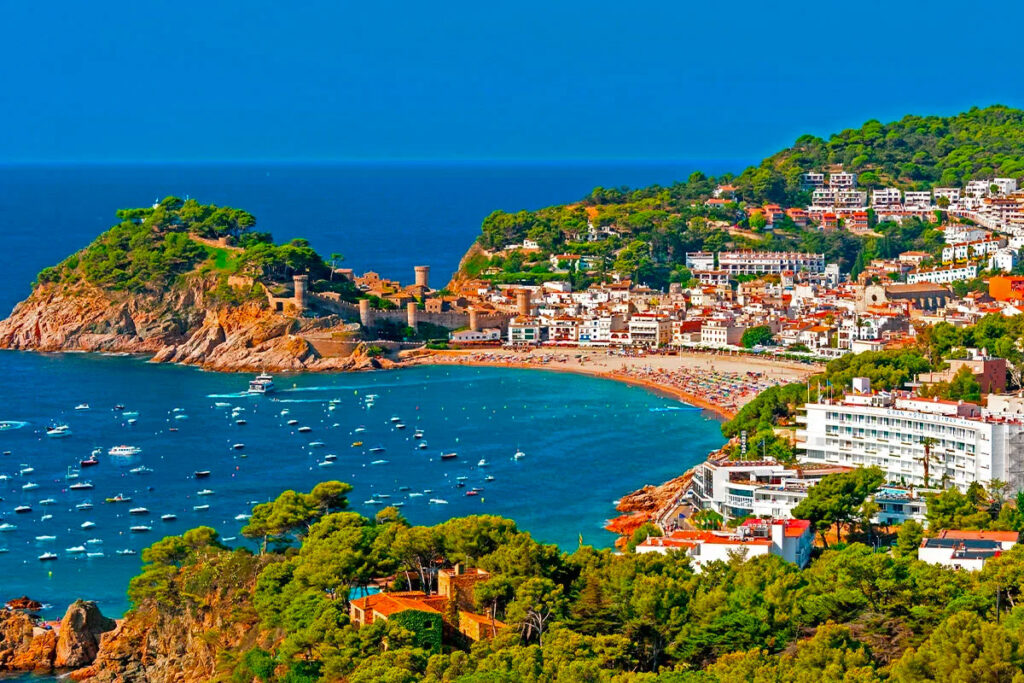
Lloret’s location makes day trips very easy. Tossa de Mar is the obvious first choice: its walled Vila Vella above the beach is one of the most photogenic old towns on the Costa Brava. You can get there by boat in summer, by bus or on foot along the coastal path. Many visitors ask which is nicer, and the honest answer is that Tossa is prettier while Lloret has more to do.
Girona is a must if you love history. Its cathedral steps, colourful houses on the river Onyar and the old Jewish quarter can easily fill a day. Further north, Figueres is home to the surreal Dalí Theatre-Museum, and you can combine it with the medieval bridge of Besalú. Barcelona is about 75 minutes away, and organised Lloret de Mar tours cover Gaudí’s highlights such as the Sagrada Família in a single day. Other popular trips go to the mountain monastery of Montserrat or to the fishing village of Calella de Palafrugell and the nearby towns of the northern Costa Brava.
How to get to Lloret de Mar and get around
Girona-Costa Brava airport is the nearest, about 30 km away, and the transfer takes around 35 minutes by road. Barcelona airport is about 75 km away, roughly an hour and a quarter by car. Direct buses run to Lloret from both airports and from Barcelona’s Estació del Nord, and you can compare routes and times on Omio. Lloret has no train station, but trains from Barcelona stop in Blanes, a short bus ride away.
The centre is compact and easy to explore on foot, and local buses link the main beach with Fenals, Santa Cristina and Water World. If you want to explore the hidden coves, Girona and the surrounding area, car hire gives you much more freedom. Parking in the centre is tight in summer, so choose a hotel with parking or use the car parks on the edge of town.
Best time to visit Lloret de Mar
The best time to visit Lloret de Mar is from late May to June or in September. Daytime temperatures sit around 24-27°C, the sea is warm enough for swimming and the beaches have room to breathe. July and August are the hottest and busiest summer months, with lots of young groups and higher demand for hotels. If you want a lively holiday, that is exactly the time to come.
Lloret is not a party town all year round. From November to March many hotels and attractions close, but the coastal paths, gardens and old town are lovely in mild winter sunshine. The Sant Romà festivities in November bring a medieval fair, and late July is the time for the Santa Cristina celebrations.
Hotels in Lloret de Mar
Lloret de Mar has more hotels than any other town on the Costa Brava, from simple places on the promenade to luxury hideaways above the coves. Staying near the main beach puts you close to restaurants and nightlife, while Fenals and Santa Cristina are better for a quieter break.
💰 Hotel Helios Lloret
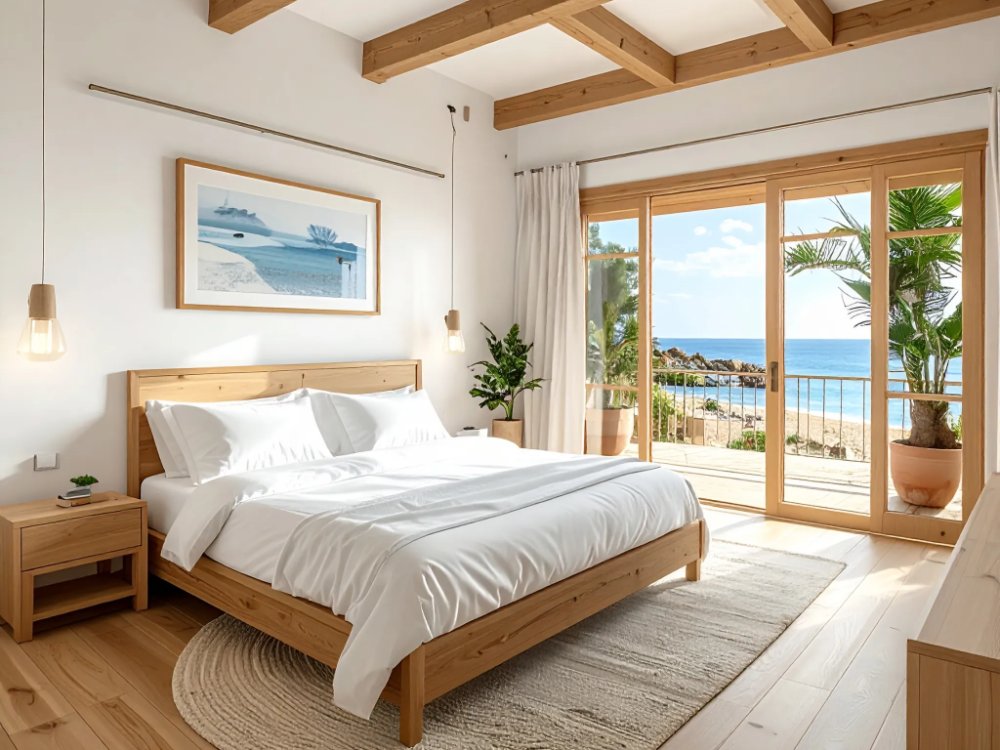
A three-star hotel on the promenade, just 150 metres from the main beach in central Lloret de Mar. It has a rooftop pool with sea views, and the air-conditioned rooms come with balconies. Reception is open 24 hours, and the beach, restaurants and nightlife are all within a short walk. It is a practical choice if you want to be in the middle of everything without paying for frills.
🏨 Hotel Delamar Adults Only
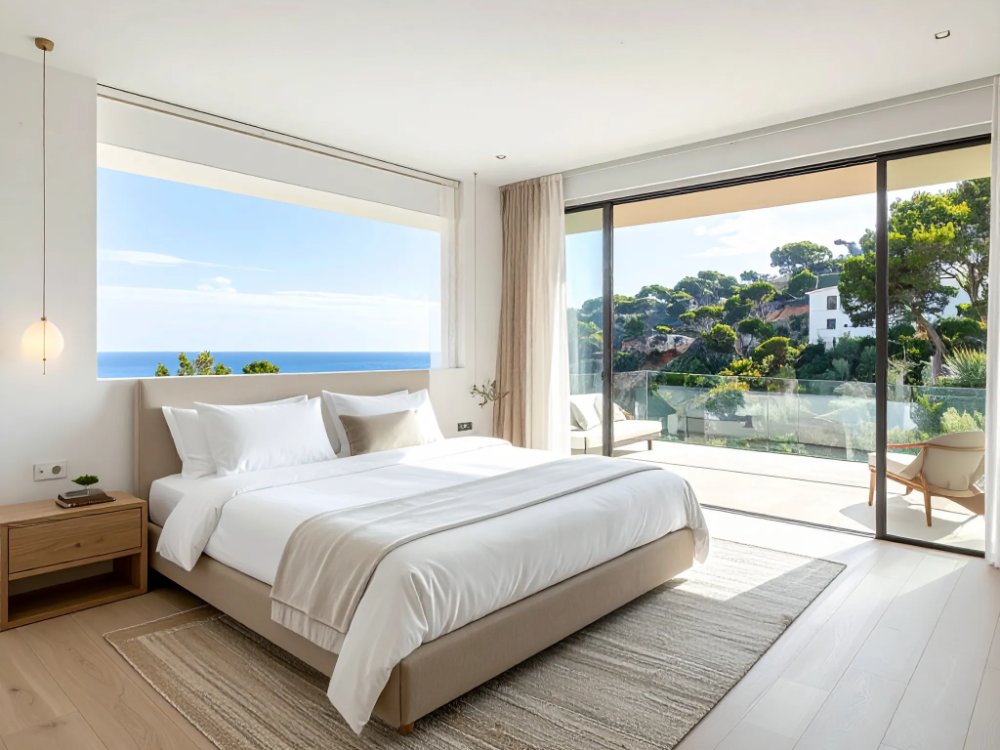
A four-star adults-only hotel 50 metres from the main beach, with an outdoor pool, a spa, a gym and a Mediterranean restaurant. Interiors are modern and bright, and the viewing terrace looks straight out over the bay. Because there are no children, the atmosphere stays calm even in high season. It suits couples who want a relaxed stay right in the heart of the resort.
💎 Hotel Santa Marta
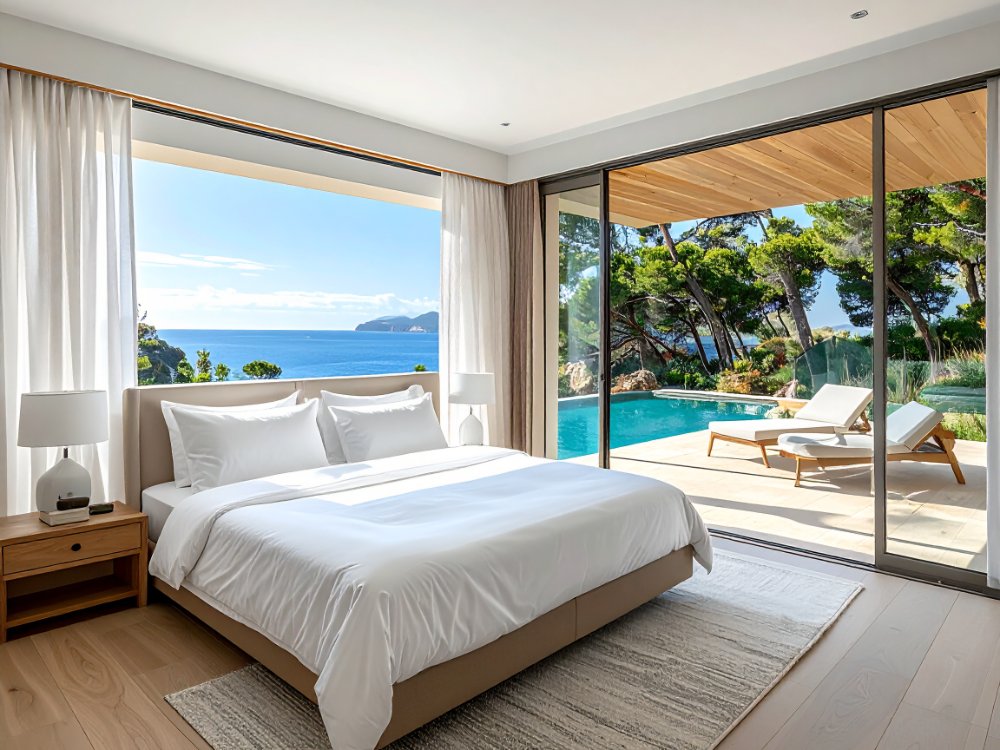
A five-star hotel set in 7 hectares of Mediterranean woodland above the secluded cove of Santa Cristina, about 3 km from the centre. Rooms have sea-view terraces, and woodland paths lead straight down to the beach. There are two pools, a spa with a water circuit, a sauna and a Turkish bath, plus a restaurant on the sand. A member of Relais & Châteaux, it is a favourite with couples looking for a special break.
Lloret de Mar FAQ
Is Lloret de Mar worth visiting?
Yes, especially if you look beyond the main strip. Lloret de Mar has five Blue Flag beaches, quiet coves, the Santa Clotilde Gardens, a Modernist cemetery and an 11th-century castle. It is also a convenient base for Tossa de Mar, Girona and Barcelona, with good bus links and plenty of hotels.
Is Lloret de Mar a party town?
Partly. In July and August, the streets behind the main beach fill with clubs and bars, and many young groups come for the nightlife. Outside the centre, though, Fenals, Santa Cristina and the coastal paths are calm and family friendly. In May, June and September the whole town feels much more relaxed.
Which is nicer, Lloret de Mar or Tossa de Mar?
Tossa de Mar is smaller and prettier, with a walled old town above the beach. Lloret de Mar has more beaches, hotels, restaurants and activities, from water parks to boat trips. Many visitors stay in Lloret and visit Tossa by boat or on foot along the coastal path, which gives you the best of both.
How far is Lloret de Mar from the airport?
Girona-Costa Brava airport is about 30 km from Lloret de Mar, around 35 minutes by road. Barcelona airport is about 75 km away, which takes roughly an hour and a quarter. Both airports have direct bus connections to Lloret, and transfers and taxis are easy to book in advance.
Is there a nudist beach in Lloret de Mar?
Yes, part of Sa Boadella cove is traditionally used by naturists. The beach lies below the Santa Clotilde Gardens and is reached by a path through the pines. Clothed and naturist bathers share the cove peacefully, so you can relax there whatever you prefer.

