People call it the Costa del Yorkshire. Stand by the salt mountains at sunset, with flamingos wading in a pink lagoon, and the nickname suddenly feels like a very poor summary.
Torrevieja is located in south-eastern Spain, on the southern tip of the Costa Blanca, in the province of Alicante in the Valencian Community, roughly halfway between Alicante city and Murcia. It’s a young town by Spanish standards. It grew up around two salt lagoons, was flattened by an earthquake in 1829 and rebuilt on a neat grid of wide streets. Today it has more than 100,000 residents and one of the largest British communities in Spain, yet salt is still harvested here every day. In this article you’ll find the best things to do in Torrevieja, from the famous pink lake and a real submarine to quiet coves, boat trips and days out along the coast.
💰 Hotel Cano - An intimate, family-run hotel in central Torrevieja, 300 m from the promenade and marina.
🏨 Hotel La Laguna Spa & Golf - A four-star hotel in Ciudad Quesada, on the edge of the Lagunas de La Mata y Torrevieja Natural Park.
💎 Doña Monse Hotel Spa & Golf - A four-star spa hotel in Los Balcones, with panoramic views of Torrevieja’s Pink Lagoon and the sea.
Is Torrevieja worth visiting?
Yes, especially if you want an easy-going seaside holiday with something more unusual than a beach and a sun lounger. Torrevieja is not Benidorm. You won’t find a wall of skyscrapers or a late-night party strip, and the town feels more residential, with locals and long-stay visitors from all over Europe sharing the same promenades and tapas bars.

What makes it different is the landscape around it. The Lagunas de La Mata y Torrevieja Natural Park protects about 3,700 hectares of salt lagoons right behind the town, so you can swap the beach for flamingo spotting in ten minutes. Add six Blue Flag beaches, a seafront lined with natural rock pools and good-value restaurants, and it’s easy to see why so many people come back year after year.
The pink lake: Torrevieja’s most famous sight
The Laguna Rosa, or Torrevieja Lagoon, is the view everyone has seen on social media, and it looks even more surreal in real life. On a hot afternoon the water turns candyfloss pink against white piles of salt. The colour is strongest from late spring to the end of summer, and the hour before sunset is the best time for photos.

Why is the water pink?
The lagoon is many times saltier than the Mediterranean Sea. Very few organisms survive in such brine, but a micro-alga called Dunaliella salina thrives in it and produces a red pigment to protect itself from the sun. Tiny brine shrimp (Artemia salina) feed on the algae and pass the pigment up the food chain. That’s also why the flamingos that eat them keep their pink feathers.
Can you swim in the pink lake?
No. Swimming in the lagoon is banned because it’s both a protected nature reserve and an active salt mining site, and you can be fined for going in. You’ll still see people wading in for photos, but please don’t follow them. Collecting salt and walking into restricted areas is not allowed either.

The best way to see the saltworks up close is on a guided tour, which takes you past the huge salt mountains and explains how salt harvesting works. Around half a million tonnes are extracted every year, which makes Torrevieja’s saltworks among the most important in Europe. Allow one to two hours, or book a short sunset trip to the lagoon edge with a glass of cava. Look out for the souvenir salt boats sold around town, too. They’re model boats left in the lagoon until they’re coated in salt crystals.
Laguna de La Mata and the flamingos
The second lagoon, Laguna de La Mata, is less salty and stays green rather than pink. It’s the quieter, wilder half of the nature reserve and the best place in the area for birdwatching. Flamingos gather here in large numbers, alongside avocets and black-winged stilts, and you can watch them from wooden hides along the shore.
Start at the visitor centre in the old forester’s house near the village of La Mata, just off the N-332. It has free parking and maps, and waymarked walking and cycling routes, of about 1.4 km and 5.2 km, start right outside. The centre is closed on Sundays, but the paths stay open. Go early in the morning in summer, as there’s little shade. Bring binoculars, water and plenty of mosquito repellent.
Torrevieja beach guide: where to swim
Torrevieja has around 20 km of coastline, and in 2026 six of its beaches kept their Blue Flag: Cala Piteras, Los Náufragos, El Cura, Los Locos, Cabo Cervera and La Mata-Sur. Here’s how to choose.

Playa del Cura is the main town beach, right below the promenade in the town centre. The water is calm and shallow, there are lifeguards and sunbed hire, and it’s the busiest Torrevieja beach in July and August. A little further north, Playa de Los Locos is popular with families and for water sports such as paddleboarding, with a row of cafés and restaurants just behind the sand.
For more space, head to La Mata beach. It runs for about 2.4 km north of the town, backed by dunes and pine woods that continue towards Guardamar del Segura. It’s the place for long walks and surfing lessons on windy days. To the south, small coves such as Cala Ferris, Cala Piteras and Cabo Cervera are good for snorkelling, but take water shoes for the rocks.
Don’t miss the bathing areas along Paseo Marítimo Juan Aparicio. The rocky shore has been turned into terraces and natural pools, so you can sunbathe on the stone and climb down ladders straight into clear water. It’s a local favourite in the evening, when the town beaches start to empty.
Seafront promenades and the harbour
A walk along the waterfront is one of the simplest and best things to do in Torrevieja. Paseo Vista Alegre and Paseo Juan Aparicio link the beaches with the harbour, and the 1.4 km breakwater of the Dique de Levante makes a lovely evening stroll, with views back to the town and the fishing boats. Look out for the Hombre del Mar, a sculpture of a fisherman that honours the town’s seafaring past.

Parts of the port area are being redeveloped, so some routes and the old hippie market near Paseo de la Libertad may have moved by the time you visit. The marina and fishing port are still lively. Locals come here for a coffee in the morning, and seafood restaurants and bars fill up after 9pm.
Floating museums: step inside a real submarine
Moored in the harbour is the S-61 Delfín, a Daphne-class submarine that in 2004 became the first Spanish Navy vessel to be turned into a floating museum. You can walk through the whole boat, past bunks, torpedo tubes and control panels, and you’ll soon see how cramped life was for the crew. Children need to be at least 1.15 metres tall, and it’s best skipped if you’re claustrophobic.
Next to the submarine is the Albatros III, a patrol boat that served the Spanish customs service until 2006. The two vessels make a quick and unusual visit, especially on rainy days. Between tours, you can also board the Pascual Flores, a wooden schooner built in Torrevieja in 1917 that once carried salt, fruit and other cargo around the Mediterranean. It’s moored in the port until March 2027.
Eras de la Sal and the Museum of the Sea and Salt
Salt mining made Torrevieja, and the best place to understand its history is the Eras de la Sal, the old salt loading docks on Paseo Vista Alegre. Work began here in 1777. For more than 150 years, salt from the lagoons was stored on these piers and poured down wooden chutes into barges, which took it out to ships anchored in the bay. The docks were used until 1958, and the wooden loading structure has been rebuilt. Today the site hosts concerts and the habaneras festival.
A few streets away, the small Museo del Mar y de la Sal (Museum of the Sea and Salt) on Calle Patricio Pérez tells the history of local fishermen, salt workers and shipbuilders. Admission is free, and half an hour is enough to see the models of old sailing ships and salt-making tools.
The town centre, the casino and the old tower
Torrevieja doesn’t have a medieval old town. It only began to grow after 1803, when the royal salt administration moved here from La Mata. After the 1829 earthquake it was rebuilt from scratch, which is why the centre feels so orderly. The heart of the town is Plaza de la Constitución, with the town hall and the Church of the Immaculate Conception. Nearby, the Torrevieja Casino, a cultural society housed in a building completed in 1896, is famous for its ornate Moorish-style interior.

The town takes its name from an old tower, a “torre vieja” that once stood on the coast to warn of pirate raids. Only its base survives, but you can still visit the Torre del Moro, another watchtower on Cabo Cervera, about 5 km north of the centre. It sits in a hilltop park and offers some of the best views on the coast. On a clear day you can see La Mata and Guardamar to the north, the island of Tabarca and, to the south, the Mar Menor.
Habaneras: the music that came home with the salt
In the 19th century, Torrevieja’s sailors carried salt across the Atlantic to Cuba. They came back with habaneras, slow and nostalgic songs from Havana that are still sung here by local choirs. Every year in late July the town hosts the International Habaneras and Polyphony Competition, which has run since 1955 and has been declared a Festival of International Tourist Interest. In 2026, it celebrated its 72nd edition, and the next one is planned for 18-24 July 2027.
The evening concerts take place in the open-air auditorium at the Eras de la Sal, with the sea behind the stage. If you’re in town at that time, book tickets early, as the best evenings sell out.
Family days out and parks
Torrevieja is an easy place for a family holiday. Aquopolis, a big water park on the edge of town, is open in summer, with slides, a lazy river and pools for small children. Parque de las Naciones, near the centre, is a green park with a lake and playgrounds, and makes a shady break between the beach and lunch.
For something calmer, Parque del Molino del Agua in La Mata has pine-shaded paths that lead to the dunes and the beach. Many families also enjoy the little tourist train that runs along the seafront, a godsend for tired legs at the end of the day.
Friday market and local food
What day is market day in Torrevieja? Friday. The bustling weekly market fills the Parque Antonio Soria grounds north of the centre from early morning until about 2pm, with hundreds of stalls selling fruit, clothes, leather goods and souvenirs. Go before 10am to avoid the heat and the crowds.

When it comes to food, look for rice dishes and fresh fish. Restaurants around the fishing port and in La Mata serve arroz a banda, paella and grilled catch of the day, while tapas bars in the town centre are perfect for a casual evening. Many places offer a good-value lunch menu on weekdays, which is the best way to eat well without overspending.
Boat trips: Tabarca island and the coast
From the port you can take a boat trip to the island of Tabarca, the smallest inhabited island in the Valencian Community. Glass-bottom boats leave Torrevieja in the warmer months and take about an hour each way, and you can watch fish in the protected marine reserve as you cross. On the island you’ll have a few hours to walk around the old walled village, swim in clear water and eat a caldero, the local fish and rice stew.
If you’d rather stay on the water, catamaran cruises along the coast stop for swimming and paddleboarding, and sunset trips are a lovely way to end a holiday. Boat hire without a licence is also available for small groups.
Things to do near Torrevieja: the best day trips
Torrevieja makes a good base for exploring the south of the Costa Blanca and the Murcia region. These are the easiest day trips, all within about an hour’s drive.
Alicante is about 50 km north, with Santa Bárbara Castle, a lively old town and the palm-lined Explanada. On the way you can stop in Elche, famous for its huge palm grove on the UNESCO World Heritage List, or in Santa Pola, with its salt pans, castle and ferries to Tabarca.
Inland, the hilltop village of Guadalest and the Algar waterfalls make one of the most popular trips in the region, and organised tours from Torrevieja combine both in one day. To the south, Cartagena has a Roman theatre and a busy port, while Murcia has a magnificent cathedral. Closer to home, Orihuela is a quiet historic town with churches and palaces.
If you want to see how different Torrevieja feels from the big resorts, compare it with Benidorm, about 100 km north. The easiest way to explore the area on your own is with a hire car, as public transport between smaller towns is slow.
How many days do you need in Torrevieja?
Two or three days are enough to see the main sights: the pink lake, La Mata, the seafront, the submarine and a couple of beaches. Most visitors come for a week or more, though. That gives you time for a boat trip to Tabarca, a day in Alicante or Elche and plenty of lazy afternoons by the sea.
When is the best time to visit Torrevieja?
Torrevieja is one of the sunniest places in Spain, with mild winters and hot, dry summers. July and August are the busiest and most expensive months, with sea temperatures above 25°C. Late May, June and September are ideal for beaches without the crowds. Rain is rare, but autumn can bring short, heavy storms, and October is usually the wettest month.
Winter is popular with long-stay visitors, as even in January daytime temperatures often reach the mid-teens. On rainy days, head for the floating museums, the Museum of the Sea and Salt or a long lunch by the harbour.
How to get to Torrevieja
Which airport should you fly into for Torrevieja? The nearest is Alicante-Elche, about 45-50 km north and around 40-50 minutes by car. A direct bus links the airport with Torrevieja bus station, and taxis and transfers are easy to book. The Region of Murcia International Airport at Corvera is a good alternative, at roughly 60 km, especially for flights from the UK and Ireland.
Torrevieja doesn’t have a railway station. The nearest stations are in Orihuela and Alicante, from where you can continue by bus. You can compare train and bus tickets online before you travel. The town centre is flat and easy to explore on foot, and local buses connect it with La Mata and the southern beaches.
In summer, hotels near the beaches fill up quickly, so book your accommodation well in advance.
See available accommodation in Torrevieja
Hotels in Torrevieja
Torrevieja has everything from simple family-run hotels in the town centre to spa hotels overlooking the lagoons. These three cover the main budgets and locations.
💰 Hotel Cano
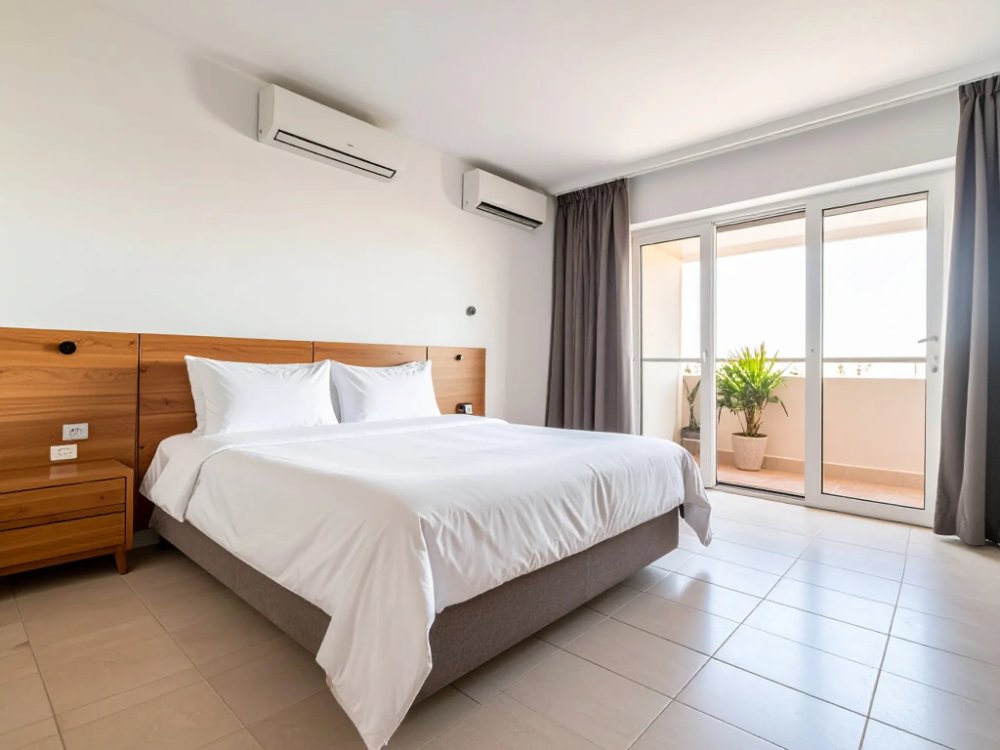
A friendly, family-run hotel right in the city centre, about a 10-minute walk from the beach and around 300 metres from the seafront promenade and marina. Rooms are simple, with tiled floors, air conditioning and heating, and some have a balcony. Breakfast is served in the hotel’s café. It’s a practical, good-value base if you want to explore Torrevieja on foot and spend your money on boat trips and seafood instead.
🏨 Hotel La Laguna Spa & Golf
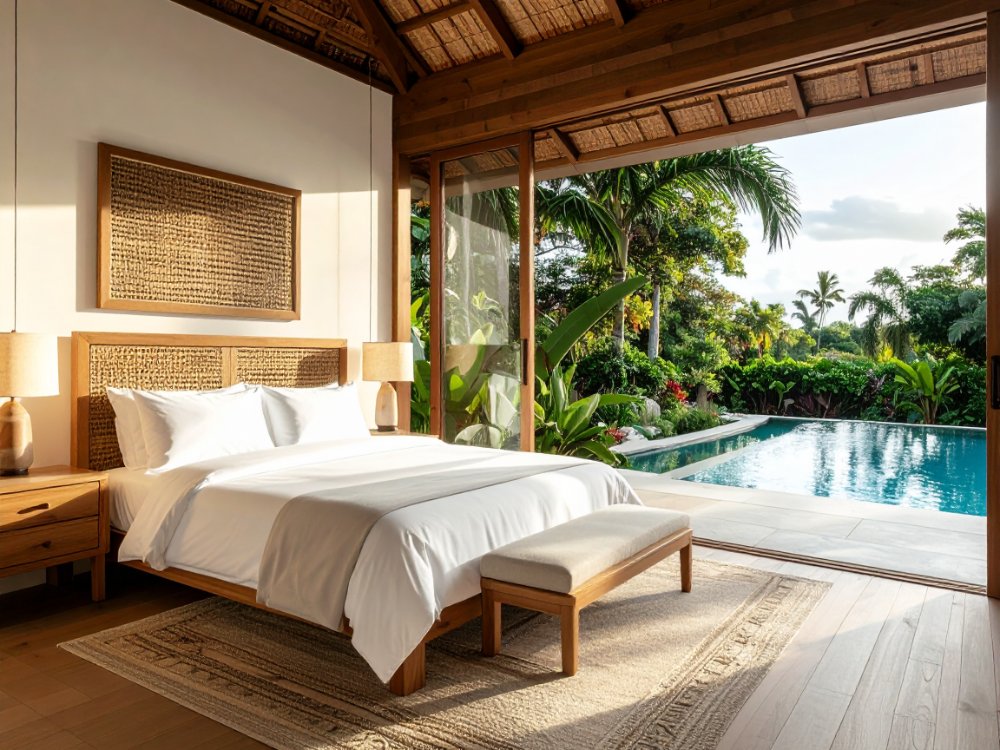
A quiet hotel next to the Lagunas de La Mata y Torrevieja Natural Park, a short drive from the beaches of La Mata and Guardamar. It’s surrounded by large gardens and terraces, and has a lagoon-style saltwater pool and a spa that looks out over a Japanese garden. Rooms come with a terrace or balcony, some with views of the natural park. It suits couples and anyone who prefers birdsong to nightlife.
💎 Doña Monse Hotel Spa & Golf

A modern spa hotel with a rooftop pool and chill-out terrace overlooking the pink Torrevieja Lagoon. The spa includes a sauna and Turkish bath, and massages and beauty treatments are available. Some rooms have lagoon views or a spa bath, and the restaurant serves traditional Spanish dishes. Choose it for a relaxing stay with sunset views over the salt lake. The town centre is just a short drive away.

