Most visitors head straight for the sharks. Start under the ice instead, where white whales glide past the glass a few centimetres from your face.
The Oceanogràfic is the aquarium Valencia is famous for, and it’s a lot bigger than most people expect. It opened on 14 February 2003 inside the City of Arts and Sciences (the Ciutat de les Arts i les Ciències), and it covers around 110,000 square metres, with some 42 million litres of water and roughly 45,000 animals from about 500 species. Instead of one big building, it’s a park of separate pavilions, each recreating one of the world’s most important marine ecosystems, from the Arctic to the Red Sea.
This guide goes inside the aquarium itself: what you’ll see in each zone, the order that works best, when the dolphin presentations run, how long you need and how to avoid the long queues at the entrance. If you want the bigger picture first, our guide to the City of Arts and Sciences covers the whole complex, from the Science Museum to the Hemisfèric.
💰 NH Valencia Las Ciencias - a good-value hotel a few minutes on foot from the City of Arts and Sciences.
🏨 ILUNION Aqua 4 - a four-star hotel about eight minutes on foot from the aquarium.
💎 The Westin Valencia - a five-star hotel in a former wool factory by the Turia Gardens.
Where is Oceanogràfic Valencia located?
The Oceanogràfic is located at the eastern end of the City of Arts and Sciences, in the old bed of the Turia river, south-east of the historic centre of Valencia. It’s the last building in the complex, beyond the Science Museum and L’Umbracle, and you’ll recognise the access building by its white, curved concrete roof.
Metrovalencia line 10 has a stop called Oceanogràfic, and EMT city buses 15 and 95 stop at the aquarium. You can also take the metro to Alameda station and walk along the Turia Gardens, or cycle there on the bike lanes, as there’s a Valenbisi station nearby and bike parking at the entrance. If you’re touring the Valencia region with a hire car, there’s an underground car park with around 800 spaces and a maximum height of 2.1 metres.
Is the Oceanogràfic the largest aquarium in Europe?
Yes, the Oceanogràfic is generally described as the largest aquarium in Europe, and it’s certainly the biggest aquarium in Spain. Its size comes from the surface area and the number of habitats rather than one giant tank. Other well-known Spanish aquariums, such as the Barcelona Aquarium and Palma Aquarium in Mallorca, are much smaller.
The architecture is part of the experience. The access building and the underwater restaurant have roofs designed by Félix Candela, the Spanish-Mexican architect known for his thin concrete shells. He drew the project in 1997, at the age of 87, and their curved, water-lily-like shapes are among the most photographed sights in Valencia.
How the aquarium is laid out
The Oceanogràfic is arranged around a central lake, with the marine areas spread across several buildings and nine two-level underwater towers. Each zone shows the marine life of a different part of the world, and you walk outdoors between them, so the visit feels more like a day in a park than a trip to a museum. Pick up a map at the access building, because the zones aren’t numbered and it’s easy to miss one.
A route that works well: start with the Arctic and Antarctic while they’re quiet, then the Oceans and the shark tunnel, then the temperate and tropical seas and the Mediterranean. Time the middle of your visit around a dolphin presentation, and leave the outdoor areas, the wetlands and the sea lions for the afternoon.
Arctic - the beluga whales
The Arctic zone is housed in a giant igloo, twelve metres tall and split into two levels. Upstairs you look over blocks of ice, and downstairs an underwater window brings you face to face with the beluga whales, the marine mammals most visitors remember best. In 2016 a calf called Kylu was born here, the first baby beluga born in Europe.
In late August 2026 the aquarium also took in two female belugas and four bottlenose dolphins from the closed Marineland park in Canada. Expect some of the animals to still be settling in during your visit.
Antarctic - the penguins
Next door, the Antarctic area is home to a colony of gentoo penguins, easy to spot by the white patch behind their eyes and their bright orange beaks and feet. It’s a short stop, but children love watching the penguins dive and shoot through the water.
Oceans - the shark tunnel
The Oceans zone represents the Atlantic Ocean, and it’s the largest tank in the aquarium. A tunnel of about 35 metres links two underwater towers, taking you on a route from Bermuda to the Canary Islands while sharks swim over your head. The aquarium bills it as the longest underwater tunnel in Europe.

Look out for sand tiger sharks with their sharp teeth, nurse sharks resting on the bottom, zebra sharks and a sawfish, a ray with a long, toothed snout. Bull rays and guitarfish glide past too. This is the most crowded spot after midday, so it’s worth reaching it early.
Temperate and tropical seas
The temperate and tropical seas building shows how different the oceans are at different temperatures. In the tropical zones you’ll find clownfish, palette surgeonfish and a humphead wrasse, a fish that can grow to more than two metres. The temperate tanks hold common seals and the giant spider crab, the largest arthropod in the world by length.
Mediterranean and jellyfish
The Mediterranean area follows a diver’s route, from coastal Posidonia meadows and port waters down to the deepest parts of the sea. You’ll see octopuses, spiny lobsters, barracudas, red coral and some of the largest gorgonians in the Mediterranean. In 2018 the Oceanogràfic Foundation bred small-spotted catshark embryos from eggs discarded by fishing boats, a first in Spain.

Jellyfish tanks are spread across the access building, the Mediterranean and the temperate seas, and together they form what the aquarium calls the largest jellyfish display in Europe. Look for the Pacific sea nettle and the fried egg jellyfish, whose tentacles can reach six metres.
Mysteries of the Sea
Mysteries of the Sea is one of the newer exhibitions. Six small aquariums, called “jewels”, hold 16 marine species, among them some of the strangest invertebrates and fish on display, including the peacock mantis shrimp, the longhorn cowfish, the pinecone fish and the big-belly seahorse. Large models of deep-sea giants hang around the tanks, which makes it a good stop for curious kids.
Wetlands, islands and the outdoor areas
The wetlands live inside a 26-metre sphere that works as an aviary. It recreates an American mangrove and a Mediterranean marsh, with more than a dozen species of birds, turtles and amphibians, including scarlet ibis, spoonbills and herons. Outdoors, the Islands area recreates the southern coast of South America, with a group of South American (Patagonian) sea lions.

Nearby, the Oceanic Islands walk features Aldabra giant tortoises and Hawaiian geese, and the Crocodile House holds slender-snouted crocodiles in a 450-square-metre enclosure on the living lake. The lake itself attracts wild birds from the Albufera Natural Park. The Mediterranean Turtles area shows threatened Hermann’s and spur-thighed tortoises, part of the aquarium’s work with the regional government to recover local fauna.
Dolphin presentations at the Sea Agora
The dolphinarium, now called the Sea Agora (Ágora del Mar), holds around 26 million litres of water. The bottlenose dolphins appear in short presentations of about 20 minutes, focused on their natural behaviour and on protecting them in the wild. They’re included in the general ticket.
There are usually a few presentations a day, often around midday and in the afternoon, but times change by season and depend on the animals. Check the day’s schedule at the information point in the access building, and arrive about half an hour early if you want a good seat in high season.
The Red Sea auditorium and extra experiences
The Red Sea auditorium is one of the most unusual rooms in the aquarium. Its stage is framed by a 16-metre aquarium representing the Red Sea, so fish swim behind whatever is on stage. Today it hosts 4D films and a mixed reality experience, which need a separate ticket.
Other add-ons include a digital audio guide, a backstage tour and a session called The sea in your hands. They’re worth considering if you’re a repeat visitor or travelling with older children who want more than a walk past the tanks.
Eating at the underwater restaurant
The Submarino restaurant sits under Candela’s water-lily roof, and its dining room is surrounded by an aquarium with more than 10,000 fish. It serves creative, fine-dining menus and is best booked in advance for a special lunch or dinner.
For a quicker meal with kids, there’s the Lonja self-service restaurant near the dolphinarium, which seats 750, plus a pizzeria with views of the aviary, a burger bar under the dolphinarium stands and an ice cream kiosk next to the sea lions. Outside food isn’t allowed in the aquarium.
Oceanogràfic tickets and how to skip the queue
The queue for the ticket office can be long at weekends, in summer and during Spanish school holidays, and it closes one hour before the aquarium does. The easiest way to save time is to book your Oceanogràfic ticket online before you go and walk straight to the entrance.
Combined tickets with the Museu de les Ciències and the Hemisfèric are also available, valid over consecutive days. Re-entry is normally not allowed, but a combined ticket lets you leave and come back if you’re visiting the other buildings on the same day. Some resellers also pair the aquarium with Bioparc Valencia, the city’s zoo.
Opening hours and how long you need
The Oceanogràfic is open every day from 10am. On a normal day it usually closes at 6pm, with longer hours on Saturdays, in summer, at Easter and over Christmas. Times change by season, so look at the calendar for your date when you plan.
Allow three to four hours for the visit, plus time for a dolphin presentation and lunch. If you’re travelling with young children, a single day split between the aquarium in the morning and the gardens of the Turia in the afternoon is plenty. Weekday mornings outside school holidays are the quietest.
Tips for visiting with kids
All buildings have ramps or lifts, so you can get everywhere with a pram or a wheelchair, and manual wheelchairs can be borrowed at the information point. Lockers are on the ground floor of the access building, which helps if you’ve got coats, bags and a pushchair to manage.

Pets aren’t allowed, except guide dogs. Bring a layer for the Arctic and Antarctic, because some indoor areas feel cool after the Valencian sun. And give the kids a job, such as spotting the sawfish or counting penguins, as the walking between zones adds up over a long day.
Combining the aquarium with the Science Museum and Bioparc
Since you’re already at the City of Arts and Sciences, it’s easy to add the Science Museum or an Hemisfèric film on the same day. If your family prefers land animals, Bioparc sits at the other end of the Turia Gardens and makes a great second day out. Our Valencia city guide also covers the old town and the Valencia Cathedral.
Practical information
- Oceanogràfic tickets are best bought in advance. You’ll skip the ticket queue at the entrance and avoid wasting time on busy days.
- Address: Carrer d’Eduardo Primo Yúfera, 1B, 46013 Valencia, Spain
- Buy tickets on GetYourGuide
Hotels near the Oceanogràfic
The streets around the City of Arts and Sciences are a handy base, with modern hotels a short walk from the aquarium and easy bus links to the centre and the beach. These three cover different budgets.
💰 NH Valencia Las Ciencias
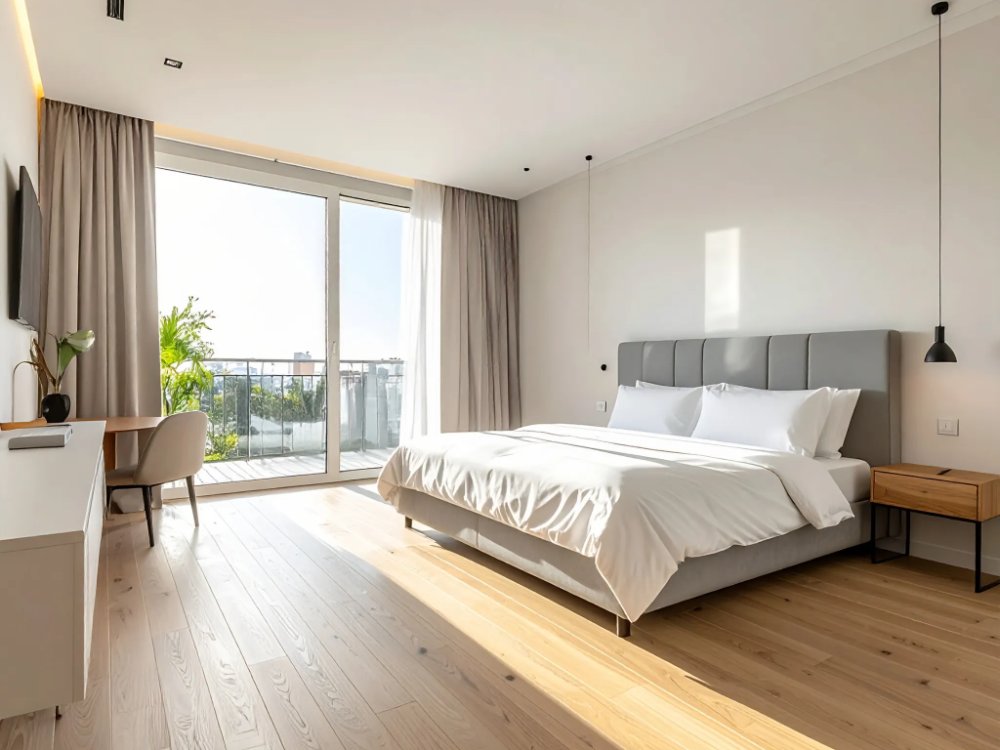
A practical, good-value hotel on Avenida Instituto Obrero de Valencia, a couple of minutes’ walk from the City of Arts and Sciences. The Oceanogràfic is around ten minutes away on foot, and there’s on-site parking with an electric car charging point. It suits families and couples who want a simple, comfortable base close to the aquarium.
🏨 ILUNION Aqua 4
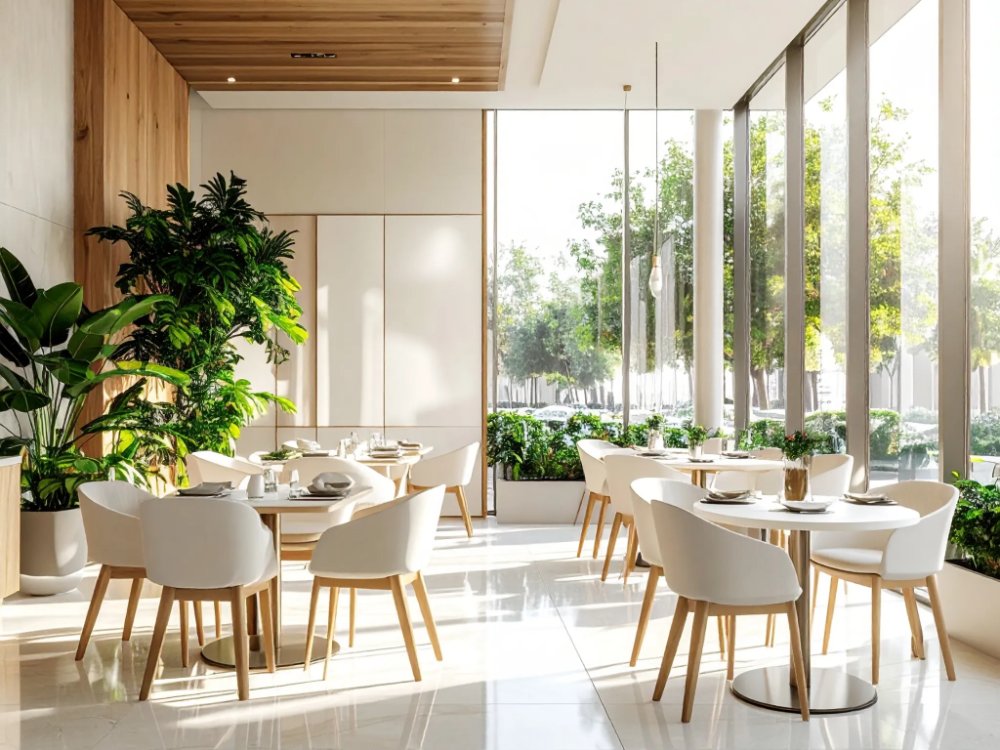
A four-star hotel on Calle Luis García Berlanga, about an eight-minute walk from the Oceanogràfic. It has 184 rooms, including a few doubles with a living room, and the Ginesta restaurant serves breakfast, lunch and dinner. It’s a good mid-range pick if you want to walk to the aquarium in the morning and eat without leaving the hotel at night.
💎 The Westin Valencia
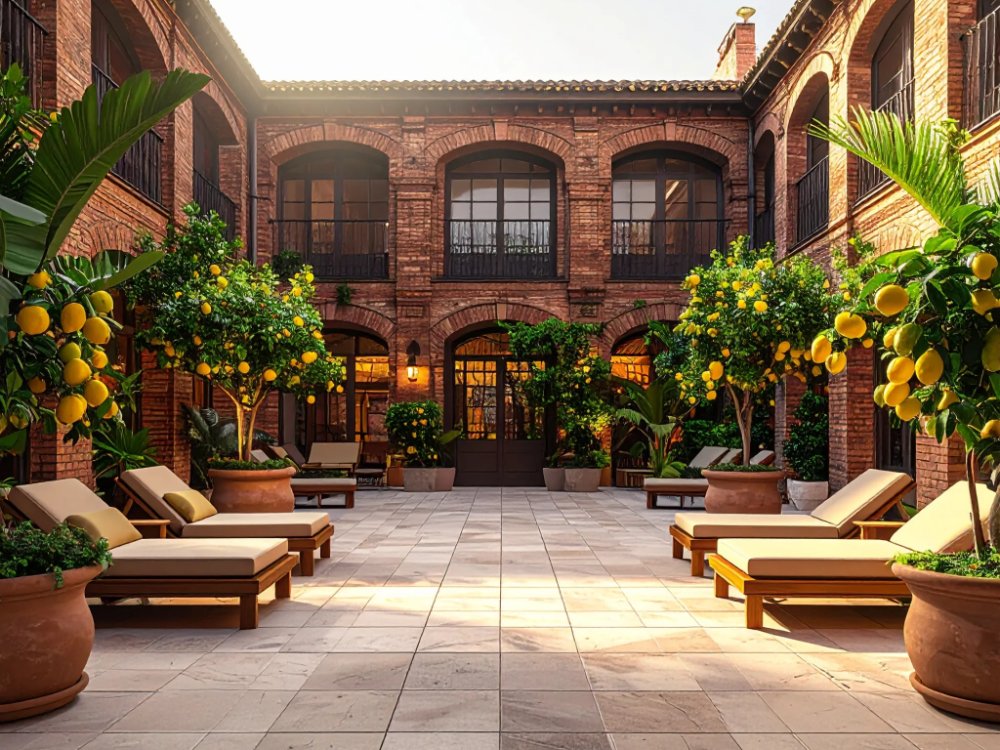
A five-star hotel in a 1917 building, once a wool factory, on Amadeo de Saboya beside the Turia Gardens. It has a Mediterranean garden, two restaurants, a cocktail bar and a spa with a saltwater indoor pool. It’s further from the aquarium than the other two, but you can walk there through the gardens or take a short taxi ride.
Valencia aquarium FAQ
Is Valencia aquarium worth it?
Yes, the Oceanogràfic is worth it, especially with children. The beluga whales, the shark tunnel and the dolphin presentations are hard to find in one place anywhere else in Europe. Some visitors find a few of the smaller tanks disappointing, so focus your time on the big habitats.
How long do you need at the Valencia aquarium?
Plan three to four hours for the aquarium itself. Add another hour if you want to see a dolphin presentation and have lunch inside. With young children, many families stay most of the day.
What time is the dolphin show at the Oceanogràfic?
The dolphin presentations usually run a few times a day, often around midday and in the afternoon, and each lasts about 20 minutes. Times change by season, so check the day’s schedule at the access building when you arrive. Get to the Sea Agora about half an hour early in busy periods.
Is there a zoo in Valencia?
Yes, Bioparc Valencia is the city’s zoo, and it recreates African habitats without visible fences. It’s at the western end of the Turia Gardens, so you can combine it with the Oceanogràfic on the same trip.
What is the largest aquarium in Spain?
The Oceanogràfic in Valencia is the largest aquarium in Spain and is usually described as the largest in Europe. It covers around 110,000 square metres and holds roughly 45,000 animals.
Can you bring food into the Oceanogràfic?
No, outside food isn’t allowed in the Oceanogràfic. There are several restaurants and snack bars inside, from a self-service restaurant to the Submarino underwater restaurant.

