Look closely at the tiles on the church dome and you’ll spot small dragons curling through the blue and white. Most people photograph it from the beach and never notice them.
Altea sits on a hill above its own bay on the northern Costa Blanca, between the high-rises of Benidorm and the huge rock of Calpe. It feels like a different world from both. Whitewashed houses climb towards a church with a blue-tiled dome, artists sell their work in the lanes and the beaches are made of smooth white pebbles rather than sand. In this article you’ll find the best things to do in Altea, Spain: Altea old town and its viewpoints, the beaches and coves, the attractions along the coast and the easiest day trips. You’ll also get practical tips on getting there, when to go and where to stay.
💰 Maison Salva by Santas Hotels - A stylish, intimate hotel in the heart of the Old Town, six minutes’ walk from the beach.
🏨 Hotel Cap Negret - A four-star hotel with private access to Cap Negret’s pebble beach, five minutes’ drive from the centre.
💎 SH Villa Gadea - A five-star resort on a seaside terrace with panoramic Mediterranean views, 3 km from Altea.
Is Altea worth visiting?
Yes, and it deserves more than a quick photo stop. Altea old town is small enough to see in a morning, but the town of Altea works best at a slow pace. Spend the afternoon relaxing on the beach, climb back up the hill for sunset and stay for dinner on the church square. Many British holidaymakers come on a day trip from Benidorm, just 15 minutes away by tram. One day gives you the highlights. Two or three days let you add the coves, the coastal walks and an excursion into the mountains.

Altea does get busy in summer, especially on weekend evenings, but it keeps its village feel. You won’t find rows of tower blocks here. The town has long attracted painters, writers and musicians from all over Europe. If you’re choosing a base on the coast, it’s one of the most charming towns in the region and a calmer alternative to the big resorts.
Explore Altea old town
The old town, known locally as El Fornet, is the reason most people visit Altea. A maze of narrow stone streets, steep steps and whitewashed buildings climbs the hill from the seafront to Plaza de la Iglesia. Pots of colourful flowers hang from the balconies, and many doors are painted in deep blues and greens. Wandering without a map is the best plan here, because almost every lane eventually leads uphill to the church.
Calle Mayor, the main street of the old quarter, is lined with historic buildings, art galleries, craft workshops, independent boutiques and shops selling ceramics and jewellery. Miguel Hernández University has its Faculty of Fine Arts here, so you’ll often see students sketching on the steps. In the side streets you’ll find tiny squares, quiet corners and café terraces where you can stop for a coffee.
The streets are steep and paved with stone, so wear comfortable shoes with a good grip. Most of the historic centre is closed to cars, so leave yours in a car park at the foot of the hill and walk up.
Church of Nuestra Señora del Consuelo and Plaza de la Iglesia
Altea’s best-known landmark is the parish church of Nuestra Señora del Consuelo (Our Lady of Consolation) on Plaza de la Iglesia, at the highest point of the old town. Its two domes are covered in blue and white glazed tiles, a style typical of the Valencian coast, and you can see them from almost anywhere around the bay. Locals also call it the Iglesia de Arriba, or the upper church.

The building you see today went up between 1900 and 1910, on the site of a much smaller parish church. It’s neo-baroque, with modernist touches in the tile work, including those little dragons on the dome. Step inside to admire the contrast between the white walls and the gold decoration. Entry is free, but dress modestly and avoid visiting during Mass.
The church square is the social heart of the town. In the evening, its terraces are packed with diners, and in summer an arts and crafts market often sets up its stalls here after dark. Right beside the church, a viewpoint looks out over the rooftops to the Mediterranean, the cliffs of the Serra Gelada to the south and the Serra de Bèrnia behind the town. Come back at sunset for panoramic views over the whole bay.
Stroll along the seafront promenade and the harbour
At the bottom of the hill, a palm-lined promenade runs along La Roda beach towards the fishing port. It’s one of the nicest places in Altea for an evening walk, with restaurants, ice-cream parlours and shops all the way along. Fishing boats still come and go from the port, and in the late afternoon the whole seafront comes alive with families and couples out for their paseo.
At the northern end of the bay, Marina Greenwich, also known as Puerto Campomanes, is a yacht harbour with a handful of waterfront restaurants. Some boat trips and diving excursions leave from here. It’s also a good starting point for Cala del Mascarat and the Russian Orthodox church in Altea Hills.
Discover the Altea beaches
Altea has around 6 km of coastline with many beaches and coves, and almost all of its beaches are pebbly rather than sandy. That’s good news if you hate sand in your bag. The water stays clean and remarkably clear, which makes it great for snorkelling. The downside is that the shore can shelve steeply, so pack a pair of water shoes, especially if you’re travelling with children. If you really want a sandy beach, head to l’Albir in neighbouring l’Alfàs del Pi, where sand mixes with fine gravel.

La Roda beach
La Roda is the main town beach, right below the old town and next to the promenade. This white-pebble Blue Flag beach has lifeguards, showers, sunbed hire and plenty of beach bars nearby. You can also hire kayaks and paddleboards here. It’s lively in summer, yet it rarely feels as packed as the sandy beaches in Benidorm.
Cap Negret beach
North of the port, Cap Negret beach stretches to the mouth of the Algar river. The pebbles are smaller than on La Roda, the water is shallower and the atmosphere is quieter. Look out for the ruins of an old Spanish Civil War bunker in the sea.
Playa de la Olla
Playa de la Olla lies in the quiet residential area of the same name, a few kilometres north of the centre. A small rocky island rises from the sea about 500 metres offshore, which makes the bay especially photogenic. It’s also the stage for Altea’s famous fireworks festival in August, when thousands of people gather on the shore.
Cap Blanc, Mascarat and the quieter coves
South of the town, Cap Blanc beach continues the coastline towards l’Albir and is known for its sunsets. To the north, Cala del Mascarat is a pebbly cove below the cliffs, popular with snorkellers. Cala La Solsida and Cala La Barra Grande are smaller and more secluded, and La Barra Grande is a favourite with naturists. These coves have few facilities, so bring water and a sunshade.
More things to do in Altea: see the town from the water
Some of the best views of Altea are from the sea, where the whole old town appears as a white pyramid topped by the blue dome. A guided kayak tour is a fun way to explore the coast. You’ll paddle past cliffs, small caves and the quieter coves, with time to swim and snorkel along the way. Boat trips and catamaran cruises also run from Altea, and some sail at sunset or stop for a swim.
The waters around the Serra Gelada and Mascarat are excellent for snorkelling and diving. Several dive centres along the promenade offer try-dives for beginners. The sea here is calm for much of the year, although the water feels cool outside summer.
Visit the Russian Orthodox church in Altea Hills
On the road to Calpe, Altea Hills is an upmarket residential area of villas on the hillside above the sea. Its most unexpected sight is the Russian Orthodox Church of St Michael the Archangel, the first Russian Orthodox church built in Spain. It’s built in the traditional Russian wooden style, with golden domes and timber brought from the Ural Mountains.
The foundation stone was laid in 2002, and the church was consecrated in 2007. Inside, you’ll find a gilded iconostasis and painted icons, with beeswax candles burning in front of them. Opening hours vary, so check before you go and remember that it’s an active place of worship. The church is easiest to reach by car, and you can combine it with a swim at Cala del Mascarat just below.
Hike in the Serra Gelada Natural Park
South of Altea, the cliffs of the Serra Gelada rise steeply from the sea and separate the bay from Benidorm. The Serra Gelada Natural Park protects both the mountain ridge and the waters around it. The easiest walk is the paved path from the park’s information point in l’Albir to the Albir lighthouse (Faro de l’Albir). It’s about 2.5 km each way, closed to traffic and suitable for pushchairs and wheelchairs.
Along the way, you’ll have wide views across the bay to Altea and the rock of Calpe, plus a short detour to an old ochre mine. The lighthouse now houses an interpretation centre about the park. There’s very little shade on the second half of the route, so go early in the morning or in the late afternoon and take plenty of water.
Explore Altea la Vella and the Serra de Bèrnia
Around 2 km inland, Altea la Vella is the original village from which the modern town grew. It’s a peaceful spot with a parish church dedicated to Santa Anna, a few village bars and fine views of the mountains. It’s a good place for lunch away from the coast.
Behind it rises the Serra de Bèrnia, a jagged limestone ridge that’s popular with hikers. The circular PR-CV 7 trail loops around the ridge and passes through a natural tunnel in the rock. It also reaches the ruins of a 16th-century fort. The route is rocky and exposed in places, so it suits walkers with some experience and a good pair of boots.
Day trips from Altea
Altea makes a great base for exploring the northern Costa Blanca. The most popular day trip heads inland to Guadalest, a tiny village with a castle perched on a rock above a turquoise reservoir. You can combine it with the Fonts de l’Algar near Callosa d’en Sarrià, a series of waterfalls and natural pools where you can swim in summer. Many organised tours visit Altea, Guadalest and the waterfalls in a single day.
Along the coast, Calpe is only 15 minutes away and is famous for the Peñón de Ifach, a giant rock rising from the sea. To the south, Benidorm has long sandy beaches, theme parks and lively nightlife. Further south, Villajoyosa has colourful seafront houses and a chocolate tradition, while Alicante has a hilltop castle and a palm-lined marina.
Festivals and events in Altea
The biggest celebration of the year is the Moros y Cristianos festival in late September, held in honour of San Blas. For about five days the streets fill with parades of Moorish and Christian troops in elaborate costumes, marching bands and fireworks. In 2026, the festival runs from 25 to 29 September.
In August, the Castell de l’Olla lights up the bay with a huge fireworks display launched from platforms at sea. It takes place on the Saturday closest to the feast of San Lorenzo on 10 August, and it draws more than 50,000 spectators. The event has been declared a Festival of Tourist Interest in the Valencian Community. Many people watch it from the beach, while others go out in boats.
Every Tuesday morning, a market sets up on Avenida de la Nucía. You’ll find fruit and vegetables, clothes, leather goods and local crafts. Go early, as it’s busy and parking nearby fills up fast.
Where to eat in Altea
Altea is a good place to try the rice dishes and seafood of the Valencian coast. Look for arroz a banda (rice cooked in fish stock), paella with seafood and fideuà, a version of paella made with short noodles. Fresh fish from the local boats often appears on the menú del día (set lunch menu). For a sweet treat, try a slice of coca, a flat local cake.

The seafront promenade is lined with sea-view restaurants, ideal for a long lunch after the beach. In the old town, the terraces around the church square are pricier but come with an unbeatable setting. Spaniards eat late, so expect lunch from around 2pm and dinner from 9pm. In high season, book a table on the church square if you want to eat there at sunset.
How to get to Altea
The nearest airport is Alicante-Elche, around 70 km south of Altea, with flights from many UK and Irish airports. The drive takes about an hour on the AP-7 motorway. If you want to explore the coves, the mountains and the inland villages, car hire is the most flexible option.
Without a car, you can take a direct coach from Alicante airport or the city centre. Compare times and tickets for buses to Altea before you travel. Line 9 of the TRAM d’Alacant runs along the coast from Benidorm through Altea to Dénia, which makes Altea easy to reach from Benidorm by public transport. The journey takes around 15 minutes. From Alicante city you can also take the tram and change in Benidorm.
When is the best time to visit Altea?
Spring and early autumn are ideal. From April to June and in September and October, the weather is warm, the sea is warm enough for swimming from June and the old town is calmer. July and August are hot, with temperatures often above 30°C, and the beaches and restaurants get busy. Winters are mild and sunny, which makes Altea popular with long-stay visitors from northern Europe. Many restaurants stay open all year.
Where to stay in Altea
For atmosphere, stay in or near the old town, where boutique hotels occupy restored townhouses. Bear in mind that the streets are steep and parking is scarce. The area along La Roda beach is flat and handy for the promenade, restaurants and the tram. Families who want a pool and space often choose the resort hotels at Cap Negret or near Playa de la Olla, a few kilometres from the centre. Altea is small and accommodation is limited, so book well ahead for August and the September fiestas.
See available places to stay in Altea
Hotels in Altea
Altea has everything from small boutique hotels in the old town to large spa resorts by the sea. Here are three places to stay that suit different budgets and travel styles.
💰 Maison Salva by Santas Hotels
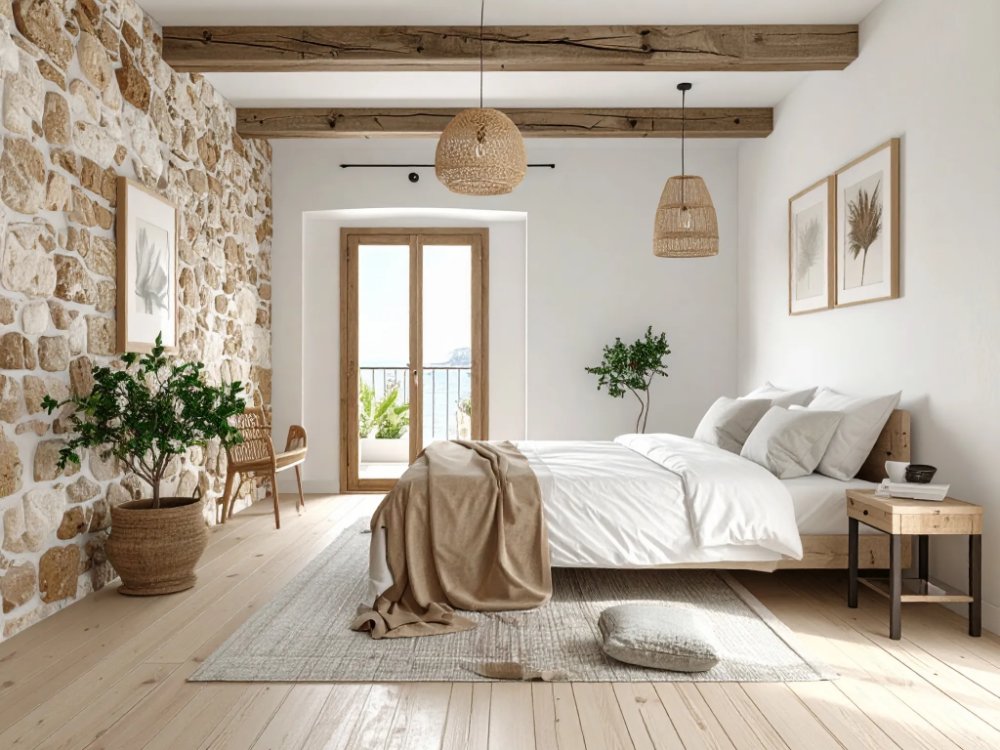
This boutique hotel is set in a beautifully restored townhouse in the centre of Altea, just a few minutes’ walk from the town market. La Roda beach and the promenade are about a 10-minute walk away, and the old town is right on your doorstep. The 20 rooms are bright, stylish and soundproofed, with free Wi-Fi. There’s no on-site parking, so it’s best for travellers arriving by tram or happy to leave the car in a public car park.
🏨 Hotel Cap Negret
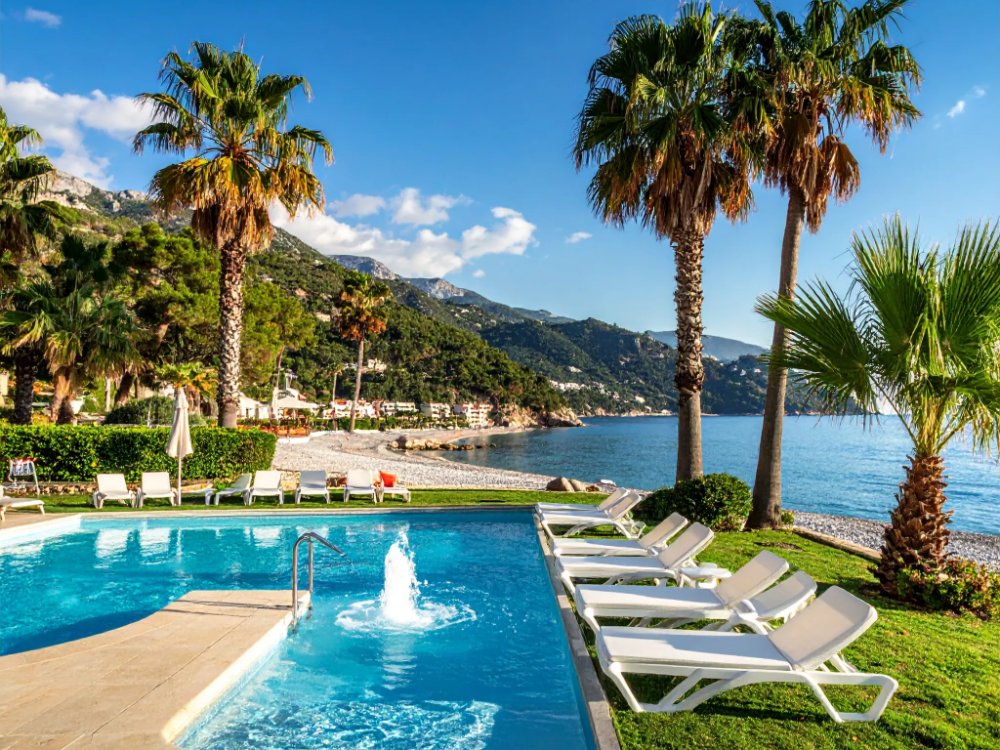
This four-star hotel stands right on the seafront, with private access to the pebbly Cap Negret beach. Its outdoor swimming pools with water jets face the sea, and you can book rooms with views across the bay. You can walk along the coast to the centre and the old town in around 20 minutes. It’s a good, practical choice for families and for anyone who wants a beach holiday close to town.
💎 SH Villa Gadea
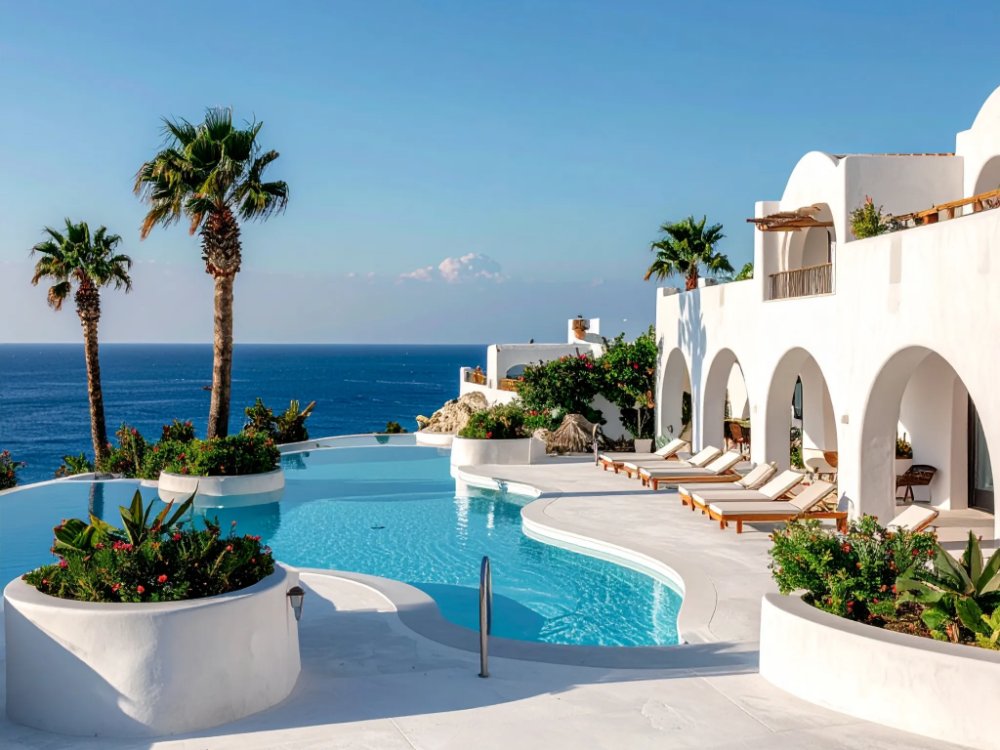
This five-star resort lies just outside Altea, a few minutes’ walk from Playa de la Olla. Its architecture is inspired by the whitewashed houses of the region, and the lagoon-style pools look out over the sea. The large thalasso spa has hot tubs, a Turkish bath and even an ice cave. With four restaurants, including a Japanese one, it’s the place to stay for a romantic break or a pampering spa holiday.

