Five centuries ago, a stone fortress here watched the horizon for Berber pirates. Today it watches fishing boats bring in red prawns at sunset.
Santa Pola is a working fishing town on the southern Costa Blanca, about 20 km south of Alicante and just 15 minutes from Alicante Airport. It’s less of a tourist town than Benidorm or Torrevieja, and that’s its charm. You get a 16th-century castle in the middle of the town, long sandy beaches, salt flats full of flamingos and the shortest crossing to Tabarca Island. In this article you’ll find the best things to do in Santa Pola, from the old town and the harbour to the lighthouse, the beaches and a day trip by boat.
💰 Hotel Narcea - A simple, family-run hotel close to Gran Playa and the harbour.
🏨 Hotel Gran Playa - A seafront hotel right on the main beach, with sea views.
💎 AJ Gran Alacant by SH Hoteles - A modern four-star hotel with a pool and spa above the Carabassí dunes.
Things to do in Santa Pola - A quick overview
Most of what you’ll want to see sits within a short walk of the harbour. Start in the small old town around the castle, then stroll along the seafront to the marina and the fish market. Spend the afternoon on the beach or take a boat to Tabarca Island, and finish with a rice dish in one of the harbour restaurants.
Santa Pola works well as a quiet base for a beach holiday or as a day out from Alicante and Elche. One full day covers the town and a boat trip. With two or three days, add the salt flats, the lighthouse viewpoint and a lazy morning on the dunes at Carabassí. Many British families also own a holiday home in nearby Gran Alacant, so you’ll hear plenty of English in summer.
Santa Pola Castle and the old town
The Castillo-Fortaleza, or Santa Pola Castle, stands right in the middle of the town, around Plaza de la Glorieta. It was built in 1557 to protect the coast from Berber pirates, who regularly raided the villages of the Valencian Community. The square fortress with its corner bastions has survived almost intact. Inside the courtyard you’ll find a small chapel, an exhibition space and the Museo del Mar.

The Sea Museum covers the history of Santa Pola from prehistoric times to the present day, with Roman finds from the old port and a section on coastal fishing. Entry is free, and an hour is plenty for most visitors. Around the castle, the Santa Pola old town is small but pleasant, with shady squares, cafés and the parish church of the Assumption.
Roman Santa Pola - Portus Illicitanus and the Roman house
Long before the castle, this coast was the port of the Roman city of Ilici, today’s Elche. The remains of Portus Illicitanus, the old harbour town, were excavated near the seafront. You can see the ruins of houses, warehouses and fish-salting tanks, which show that salt and fishing were the base of life here 2,000 years ago.
The highlight is the Casa Romana del Palmeral, a Roman villa from the 4th century AD in a park with palm trees. Its mosaic floors and the layout of the rooms give a good idea of how a wealthy family lived on the coast. It’s a short visit, best combined with the Sea Museum, which displays many finds from these sites.
The harbour, the fish market and the aquarium
Santa Pola has one of the largest fishing fleets on the Spanish Mediterranean. In the late afternoon, the boats come back into the port and the catch goes straight to the fish market, the lonja. The best-known product is the red prawn, gamba roja, which you’ll see on every menu in town.

Next to the harbour, the marina is lined with restaurants and is the departure point for the boats to Tabarca. On Plaza Fernando Soto, the small municipal aquarium shows the fish and sea creatures of the local coast, including octopus, moray eels and turtles. It takes about half an hour and is a good option with young children or on a windy day.
Santa Pola beaches
Santa Pola has around 15 km of coastline and several Blue Flag beaches. Gran Playa, right next to the town centre, is the main beach, with fine sand, calm water, sunbeds and a long promenade. Playa de Levante continues to the east, towards the harbour, and is just as easy to reach on foot. Both get busy on summer weekends, so come early to find space for your towel.

To the south, Playa Lisa and Playa del Tamarit are long, open beaches backed by the salt flats, and they’re popular with windsurfers and kitesurfers. North of the cape, Playa del Carabassí near Gran Alacant has golden dunes and a wilder feel. For quiet coves and clear water, head to the small beaches around the cape, below the lighthouse.
Water sports in Santa Pola
The steady breeze on Playa Lisa and Tamarit makes Santa Pola one of the best spots for windsurfing and kitesurfing on the Costa Blanca. Several schools offer lessons and board rental from spring to autumn. Calmer water closer to town is good for paddleboarding and kayaking.
The seabed around Tabarca is a marine reserve, so diving and snorkelling here are excellent. Local centres run beginner dives and guided snorkel trips to the island’s coves, with seagrass meadows, groupers and octopus. Sailing trips and sunset cruises also leave from the marina.
Salinas de Santa Pola - Salt flats and flamingos
The Salinas de Santa Pola Natural Park covers some 2,500 hectares of salt flats and lagoons between the town and the coast road to Torrevieja. Salt has been harvested here since Roman times, and the pans are still in use. Their pink colour comes from tiny algae and shrimps, which are also the favourite food of the flamingos.

Flamingos live here all year, and in winter you’ll see hundreds of them, along with herons, avocets and other wild birds. The best views are from the hides and the paths along the edge of the park. The Museo de la Sal, in an old salt mill, explains how the salt flats work. Look out for the 16th-century Torre de Tamarit, a watchtower that guarded this stretch of coast.
Santa Pola lighthouse and Cabo de Santa Pola
The Santa Pola lighthouse stands on top of the Sierra de Santa Pola, about 150 metres above sea level. It was built in the 19th century next to an old watchtower, the Torre de la Atalayola. From the viewpoint you can see Tabarca Island, the salt flats, the bay of Alicante and, on clear days, the mountains inland.
The cape is a protected area with hiking trails through pine woods and fossil reefs, rich in local flora and fauna. It’s best at sunset, when the light turns the sea gold. You can drive or cycle up the road to the lighthouse, or walk up from the town in about an hour.
Tabarca Island - The best day trip from Santa Pola
Tabarca Island lies only about 8 km off the coast, and the crossing from Santa Pola takes around 25 minutes, the shortest route to the island. Boats leave regularly in summer and less often in winter. A round trip ticket usually lets you choose your return time, so you can stay as long as you like.

The island is a small walled village from the 18th century, with a church, a gateway and a few streets of low houses. Outside the walls you’ll find rocky coves, a lighthouse and a shingle beach with very clear water. Tabarca became Spain’s first marine reserve in 1986, so bring a mask and snorkel. Stay for lunch and try caldero, the island’s famous fish and rice stew.
Pola Park and things to do with kids
Pola Park is a small amusement park on the edge of the town, with rides, bumper cars and attractions for younger children. It’s mainly open in summer and on some weekends in spring and autumn, so check before you go. Together with the aquarium, the beach and a boat trip to Tabarca, it makes Santa Pola an easy destination for families.
Older children usually enjoy a kayak or paddleboard session, a snorkel trip or a walk to the lighthouse. Flamingo spotting at the salt flats is a hit with all ages. For bigger theme parks and water parks, you can drive about an hour north to Benidorm.
Food in Santa Pola - Rice, red prawns and salted fish
Food is one of the best reasons to visit Santa Pola. The harbour restaurants serve caldero and arroz a banda, rice cooked in a rich fish stock and served with alioli. Gamba roja, the local red prawn, is usually grilled simply with salt, and you should order it at least once.

The town is also known for salazones, salted and dried fish such as mojama, made from tuna, and hueva, cured fish roe. You’ll find them in the market and in delis around the old town, often with almonds and olive oil. For lunch, book a table on the seafront promenade and take your time, as the locals do.
How to get to Santa Pola
Santa Pola is about 15 km from Alicante Airport, which has direct flights from most UK airports. A taxi takes around 15-20 minutes, and there are regular buses from the airport area and from Alicante city centre. The bus from Alicante takes about 40 minutes.

The easiest way to explore the salt flats, the lighthouse and nearby towns like Torrevieja is with a car hire from the airport. Parking in the town centre is limited in summer, so use the car parks near the harbour.
Is Santa Pola worth visiting?
Yes, Santa Pola is worth visiting if you want a relaxed Spanish seaside town rather than a big resort. It has good beaches, real fishing traditions, excellent seafood and the quickest boat to Tabarca. It’s especially good for families and for a quiet holiday outside July and August. In summer, book your accommodation early, as many visitors are Spanish families who return every year.
See available places to stay in Santa Pola
Hotels in Santa Pola
You can stay right in the town, close to the beach and the harbour, or in Gran Alacant, a quieter area on the hill above the dunes. These three hotels suit different budgets.
💰 Hotel Narcea
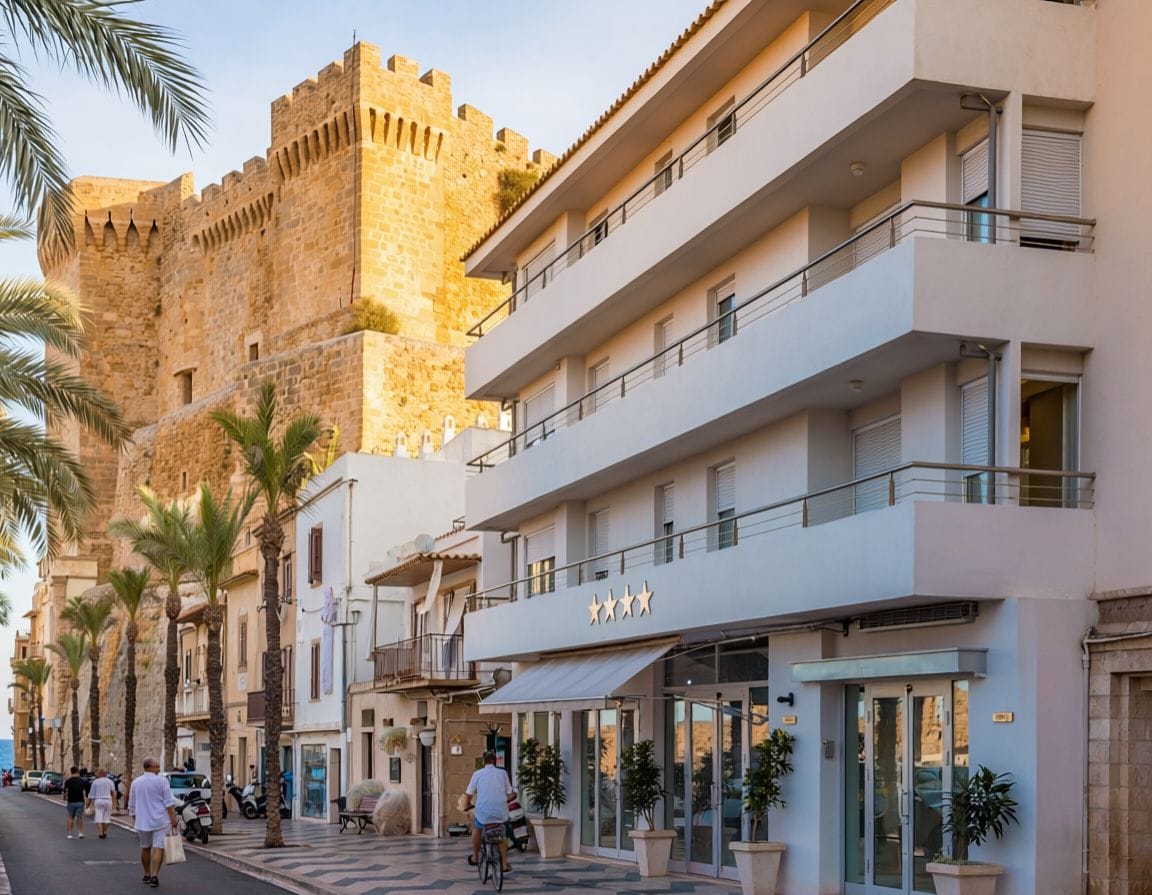
A simple, family-run hotel in the centre of Santa Pola, a few minutes’ walk from Gran Playa and the harbour. Rooms are simple and clean, and the staff are friendly and helpful. The restaurants and shops of the old town are right on the doorstep. It’s a good choice if you want a central base on a budget and plan to spend most of the day outside.
🏨 Hotel Gran Playa
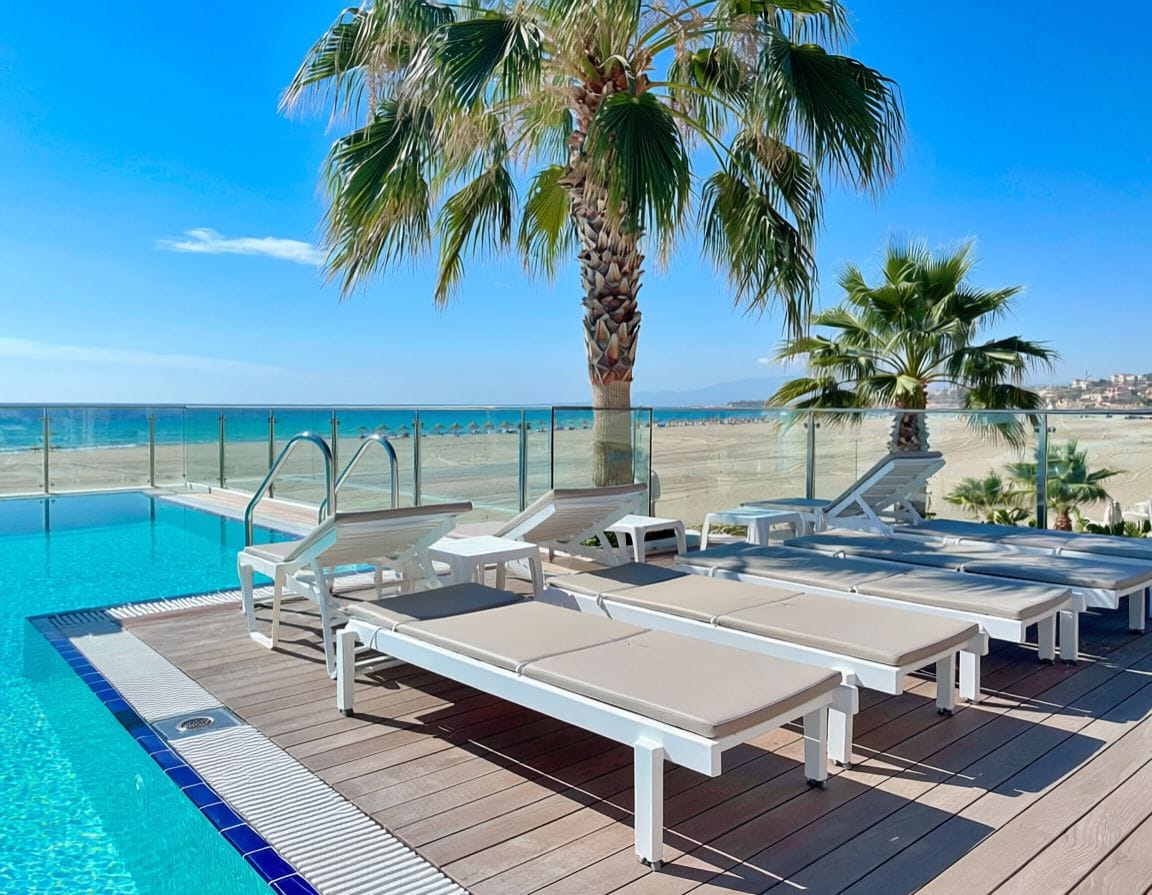
A seafront hotel right on Gran Playa, the main beach of Santa Pola. Many rooms have sea views, and the restaurant serves local rice dishes and seafood. The castle, the old town and the harbour are a short walk along the promenade. It suits couples and families who want to step straight from the hotel onto the sand.
💎 AJ Gran Alacant by SH Hoteles
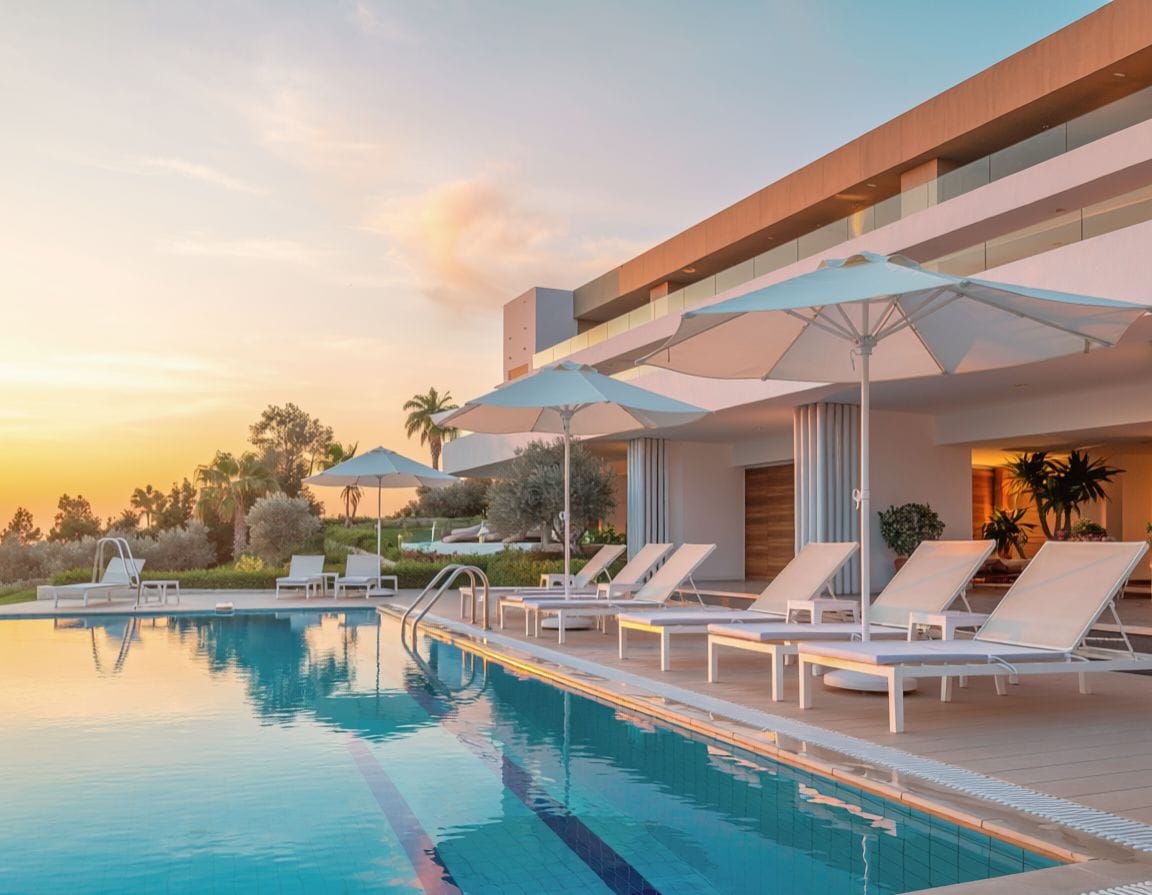
A modern four-star hotel in Gran Alacant, on the hill above the Carabassí dunes. It has an outdoor pool, a spa, spacious rooms and terraces with views towards the sea. You’ll need a car or a short taxi ride to reach the town and the harbour. It’s ideal for a relaxing break with a bit more comfort and quiet.
Santa Pola FAQ
Is Santa Pola a nice place for a holiday?
Yes. Santa Pola is a relaxed, family-friendly town with long sandy beaches, good seafood and a real local atmosphere. It’s quieter than the big resorts of the Costa Blanca, and it’s only 15 minutes from Alicante Airport.
How do you get from Santa Pola to Tabarca Island?
Take a boat from the harbour in Santa Pola. The crossing takes about 25 minutes, and boats run several times a day in summer. Some catamarans have a glass bottom, so you can see the seabed on the way.
Is Santa Pola good for families with children?
Yes. The beaches next to the town have calm, shallow water, and there’s an aquarium, a small amusement park and plenty of space on the promenade. A boat trip to Tabarca and flamingo spotting at the salt flats are easy and fun for kids.
Can you see flamingos in Santa Pola?
Yes, flamingos live in the Salinas de Santa Pola Natural Park all year round. Winter is the best time to see large groups, from the hides and paths along the edge of the salt flats.
How far is Santa Pola from Alicante?
Santa Pola is about 20 km south of Alicante city and around 15 km from Alicante Airport. The drive takes about 20-25 minutes, and the bus from the city centre takes around 40 minutes.

