You can drive from one end of it to the other in about an hour. Discovering everything it hides inside its volcanoes takes a lot longer.
Lanzarote is the most easterly of the Canary Islands, a long, dry island of black lava fields, red volcanic cones and white villages, only about 125 kilometres off the coast of Africa. Most people come for the year-round sunshine and the beaches, but there’s far more to the island than a sun lounger. Between 1730 and 1736 a series of volcanic eruptions buried a quarter of the island, and a local artist, César Manrique, later turned caves, cliffs and quarries into some of the most original sights in Spain. The whole island has been a UNESCO Biosphere Reserve since 1993. In this article you will find the best things to do in Lanzarote, from the Fire Mountains and lava tubes to golden beaches, wine tasting in La Geria and a day trip to La Graciosa, plus tips on getting around, where to stay and how many days you need.
💰 Hotel Fariones - Classic four-star hotel right on Playa Grande in Puerto del Carmen, with three ocean-view restaurants.
🏨 Barceló Teguise Beach - Four-star adults-only hotel 150 metres from Las Cucharas beach in Costa Teguise.
💎 Lani’s Suites de Luxe - Five-star adults-only beachfront boutique hotel in Puerto del Carmen, designed in the 1980s by César Manrique.
The best things to do in Lanzarote at a glance
If you only have a few days, focus on the island’s three big themes: volcanoes, Manrique and the coast. Timanfaya National Park and the west coast fill one day. The north, with Jameos del Agua, Cueva de los Verdes, Mirador del Rio and the Cactus Garden, fills another. Keep the rest for the beaches of Papagayo, a wine tour in La Geria and the old towns of Teguise and Haría.
Lanzarote is small, about 60 kilometres from north to south, so you can explore Lanzarote from any resort. The main bases are Puerto del Carmen, Costa Teguise and Playa Blanca. From each of them, the top Lanzarote attractions are less than an hour’s drive away, and many of the island’s tourist attractions belong to the same public network of art and culture centres, so a combined ticket for several sights is worth considering.
Timanfaya National Park and the Fire Mountains
No visit to Lanzarote is complete without Timanfaya National Park. It covers about 51 square kilometres in the south-west of the island and protects the lava fields left by the eruptions of 1730 to 1736 and 1824. The park was created in 1974, and it is one of the few national parks in Spain protected mainly for its geology. Locals call the area Montañas del Fuego, the Fire Mountains, because volcanic activity just below the surface still keeps the ground extremely hot.
You can’t wander freely across the lava, so the main way to see the national park is the Ruta de los Volcanes coach tour, which starts at Islote de Hilario. The coach winds past craters, lava tunnels and rivers of frozen rock, and the volcanic landscape looks more like Mars than Europe. Back at Islote de Hilario, guides pour water into a hole in the ground, and a few seconds later a geyser of steam shoots into the air. Lunch at the El Diablo restaurant, designed by Manrique, is cooked on a grill over a natural volcanic vent.
Arrive early, because the queue of cars at the entrance gets long by late morning. The Mancha Blanca visitor centre, on the road to Tinajo, is free and explains the volcanic eruptions with films and a walkway over the lava, so it makes a good first stop. Just south of the park entrance, camel rides climb the ash slopes of the volcanoes.
Caldera de los Cuervos and Los Volcanes Natural Park
If you want to walk on the lava yourself, head to Los Volcanes Natural Park, which borders Timanfaya. The easiest hike is the loop around and into Caldera de los Cuervos, a volcanic crater that was the first to erupt in 1730. The trail starts from a small car park on the LZ-56 road between Mancha Blanca and Masdache, takes about an hour and is completely free. Inside the crater you will see red and black volcanic rock formations and blocks of lava the size of a car.

Not far away, the narrow canyon of Las Grietas, near Montaña Blanca, is another short walk. Water and wind carved deep cracks in the volcanic ash, and the light inside the gorge makes it a favourite photo spot. Wear proper shoes on both walks, because volcanic rock is sharp.
The west coast - El Golfo, Los Hervideros and the Janubio salt flats
The road along the island’s west coast, south of Timanfaya, is one of the most dramatic drives on Lanzarote. At El Golfo, half of an old volcanic crater has collapsed into the sea, leaving the Charco de los Clicos, an emerald-green lagoon between black sand and red cliffs. Its colour comes from algae and minerals in the water. The quiet fishing village next to it is the best place on the island for fresh fish with a sunset view.
A few minutes south, the waves of the Atlantic Ocean crash into the lava caves of Los Hervideros. The name means “the boiling waters”, and on a windy day the sea really does seem to boil. Paths and small viewing platforms lead between the jagged cliffs and rock formations, so you can stand right above the surf.
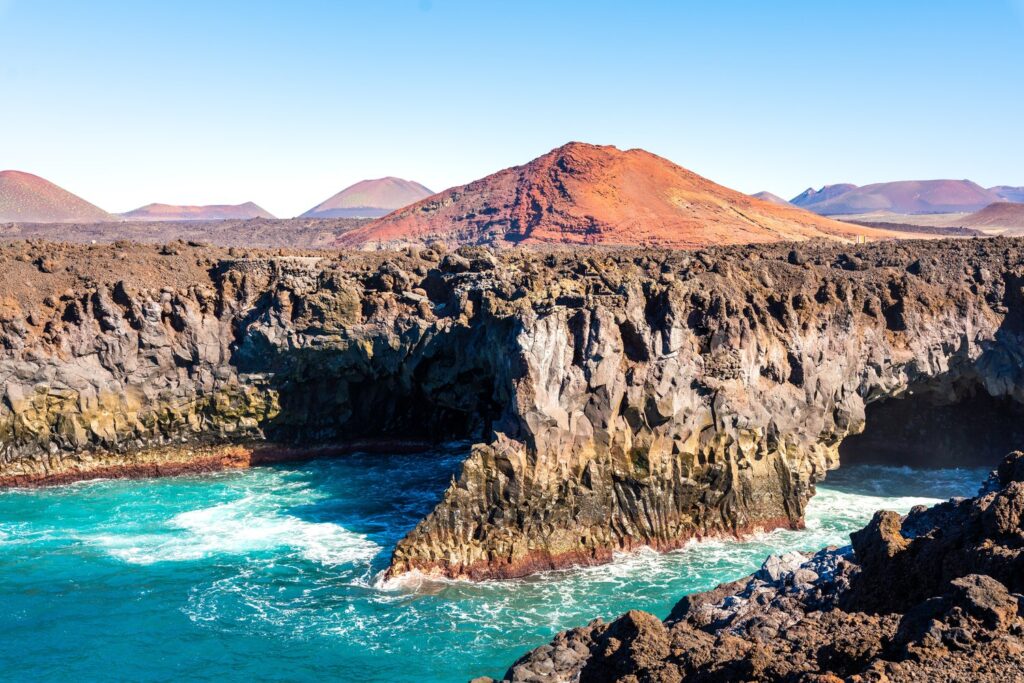
Further south, the Salinas de Janubio salt flats form a chequerboard of white and pink pools next to a black sand beach. Workers still harvest sea salt here in the traditional way, and you can buy a bag of it at the small shop. From the viewpoint above the salt flats you can see the whole lagoon and the volcanic coast beyond.
César Manrique’s Lanzarote
César Manrique (1919-1992) was born in Arrecife and returned to his home island in the 1960s after years in Madrid and New York. He believed that tourism should respect the landscape, and he persuaded local authorities to keep buildings low, ban roadside billboards and paint houses white with green or blue doors. Thanks to him, Lanzarote still has no high-rise resorts like some of the other Canary Islands. His art and culture centres turned volcanic caves and viewpoints into tourist attractions where art and nature meet.
Fundación César Manrique
The Fundación César Manrique in Tahíche is the artist’s former home, built in 1968 on top of a lava flow. The upper floor looks like a traditional Canarian house, while the lower floor sits inside five volcanic bubbles connected by tunnels, with a pool and palm trees growing out of the lava. Today the house is a museum with paintings by Manrique and works by Picasso, Miró and other artists from his private collection.

In the north, in Haría, you can also visit the Casa-Museo César Manrique, the more private house where he spent his last years. His studio has been left as it was, with brushes and unfinished canvases.
Jameos del Agua caves
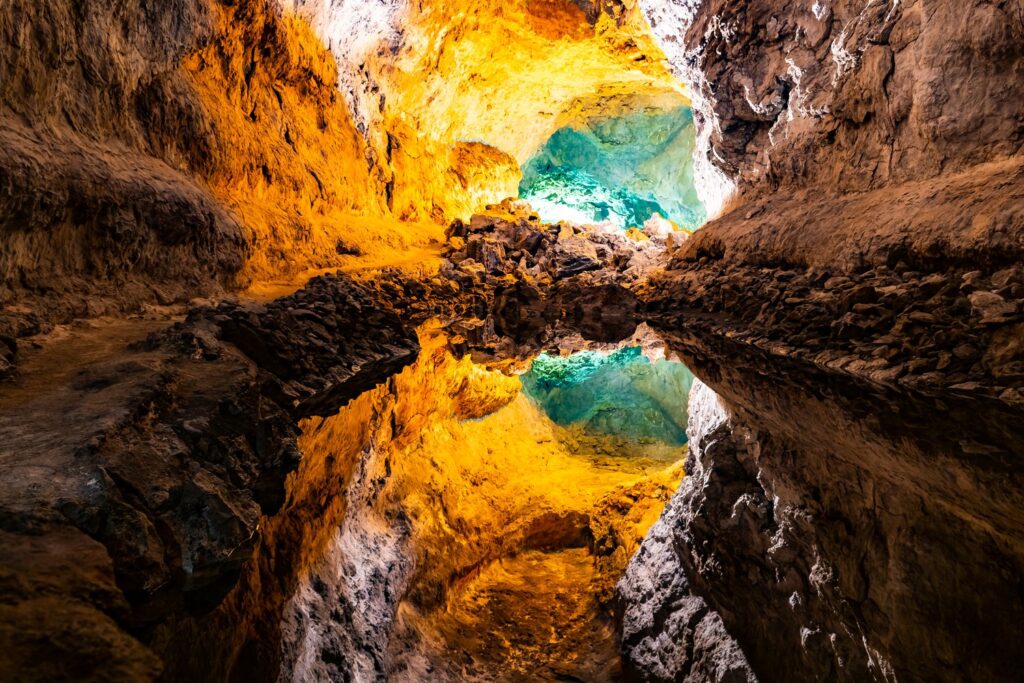
Jameos del Agua is Manrique’s masterpiece. It lies inside a lava tube formed by the eruption of La Corona volcano, where part of the roof collapsed and left openings called jameos. You walk down into a cave with a saltwater lagoon, home to tiny blind albino crabs found almost nowhere else in the world. On the other side a white pool with palm trees looks like a film set, and further on is an auditorium for around 600 people built inside the volcanic cave.
Visit Jameos del Agua in the morning for the calmest light, or on an evening with live music, when the cave turns into a bar and restaurant. The site is in the north-east, close to the village of Punta Mujeres.
Cueva de los Verdes
Just across the road, Cueva de los Verdes is part of the same lava tube, which runs for about 6 kilometres from La Corona down to the sea. A guided tour of about 45 minutes takes you through a kilometre of the volcanic cave, with low passages, coloured rock and a concert hall underground. The guides end the tour with a clever optical illusion that we won’t spoil here. Locals once hid in these tunnels from pirates and slave raiders.
Mirador del Rio
At the northern tip of the island, Mirador del Rio is a viewpoint built into the cliffs of Risco de Famara, about 475 metres above the sea. From the café’s huge windows and the terrace, you look straight down on the strait of El Río and across to La Graciosa and the small islands of the Chinijo Archipelago. On a clear day this is the best view on the island.
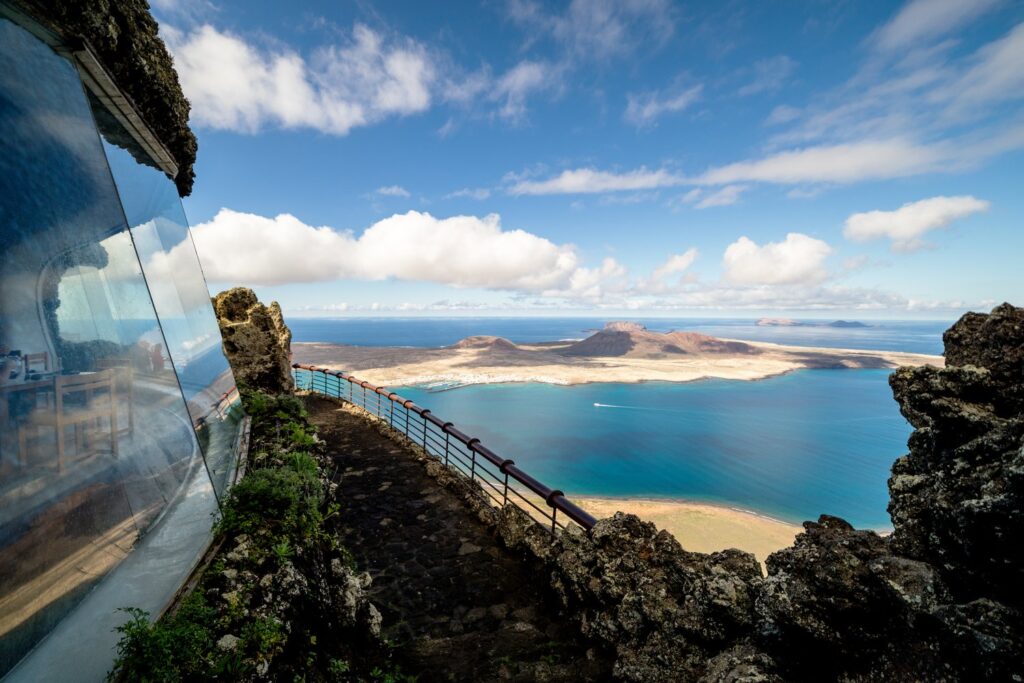
Manrique hid the building so well that from the road you see almost nothing but stone walls. If you prefer a free view, the nearby Mirador de Guinate looks over the same coast.
Jardín de Cactus
The Jardín de Cactus in Guatiza was Manrique’s last major project on the island and opened in 1990. He built it in an old quarry where farmers once dug volcanic ash for their fields. The cactus garden holds about 4,500 plants of around 450 species from the Canary Islands, the Americas and Madagascar, arranged on terraces like an amphitheatre. A restored white windmill above it still grinds gofio, the toasted flour of the islands.
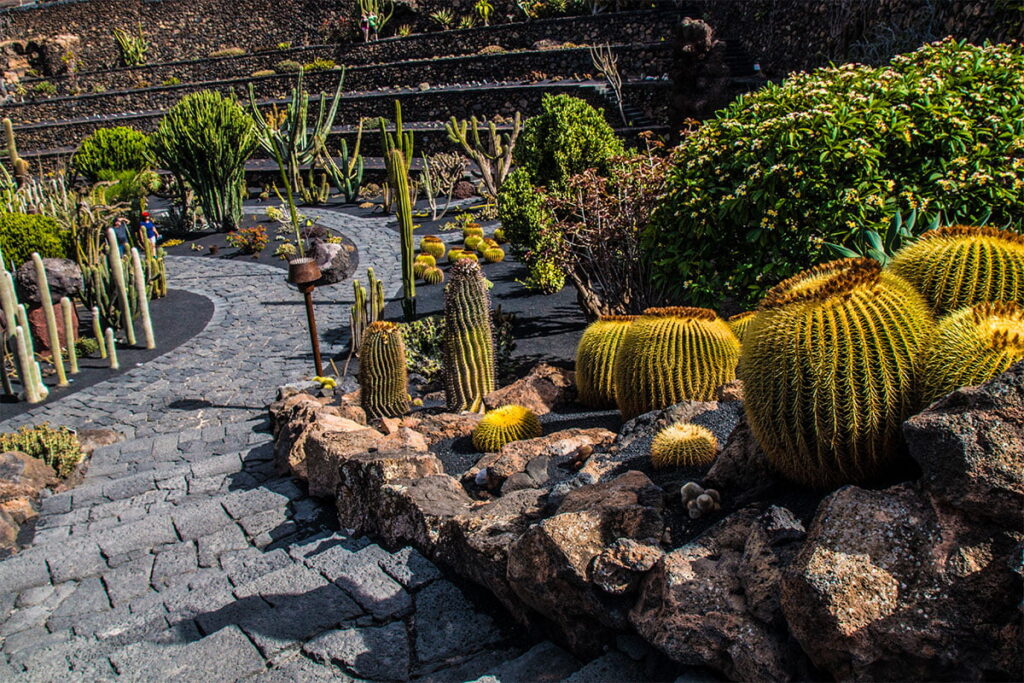
The garden is in the middle of the island’s cochineal fields. Farmers grow prickly pears here to breed the small insects that produce a natural red dye, once one of the island’s main exports.
Lanzarote beaches
Lanzarote beaches range from golden sand coves to wild stretches of black sand beach and calm lagoons for small children. The south coast has the calmest water, the north and west get the big Atlantic waves, and the east is best for a beach day close to a resort.
Playa de Papagayo, the most famous beach on the island
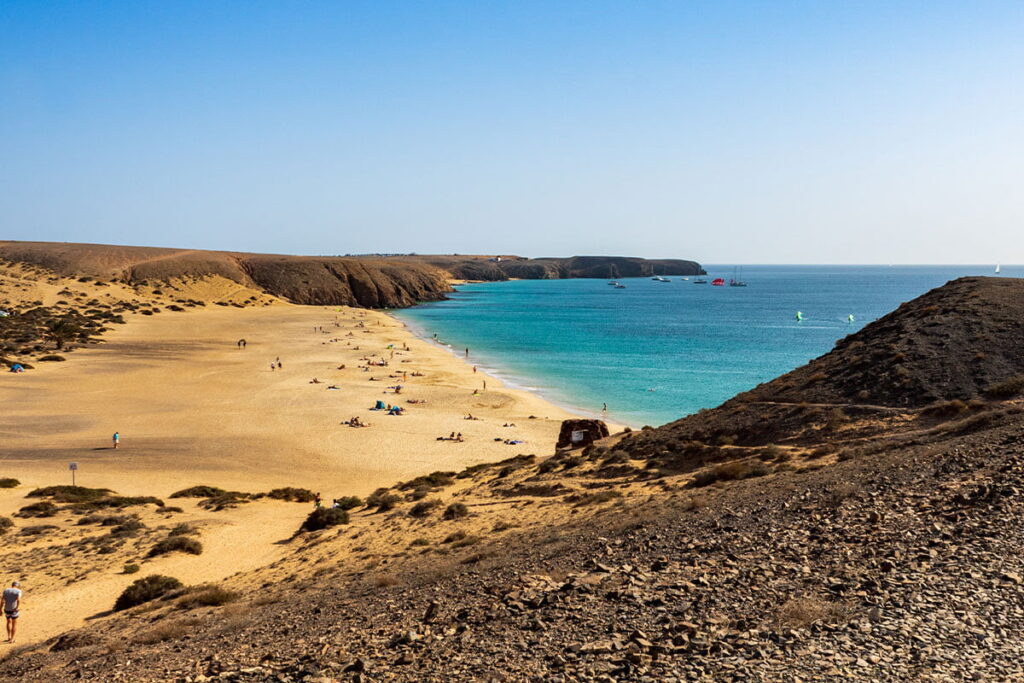
Playa de Papagayo is the island’s most famous beach. It is a small cove of golden sand framed by cliffs, with calm, clear turquoise water that is ideal for swimming and snorkelling. It belongs to the protected area of Los Ajaches, east of Playa Blanca. Next to it you will find several other beautiful beaches: Playa Mujeres, about 400 metres long and the biggest of them, plus Playa del Pozo, Caleta del Congrio and Puerto Muelas.
You can reach Papagayo beach on foot along the coastal path from Playa Blanca in about an hour, by boat from Marina Rubicón, or by car on a dirt road. Drivers pay a small fee per car at the entrance to the protected area. There is very little shade, so bring water and a beach umbrella. On a summer weekend arrive before 10am, when the car park is still half empty.
Playa Blanca beach, Playa Dorada and Playa Flamingo
The resort of Playa Blanca, on the southern tip of the island, has three town beaches. Playa Dorada is a long, sheltered sandy beach with gentle waves, perfect for families. Playa Blanca beach, in the centre, is smaller and sits right next to the promenade, while Playa Flamingo in the west has a breakwater that keeps the sea calm. From the harbour, ferries leave for Corralejo on Fuerteventura, about 25 to 35 minutes away.
Famara Beach and surfing
Famara is a different world. This wild sandy beach on the north-west coast runs for several kilometres beneath the cliffs of Risco de Famara, and the waves here are made for surfing. Caleta de Famara, a small village of sandy streets and low houses, has several surf schools and is a relaxed place to learn. Strong currents make swimming risky, so stay close to the shore unless you are with an instructor.
Natural pools at Punta Mujeres
If you prefer calm water without waves, swim in the natural pools of Punta Mujeres, a village in the north-east between Arrieta and Jameos del Agua. The tide fills basins in the black volcanic rock, and the locals have added ladders to make swimming easier. There’s no charge to use them. Nearby, the small beach of La Garita in Arrieta has golden sand and a few seafood restaurants.
Puerto del Carmen and Costa Teguise
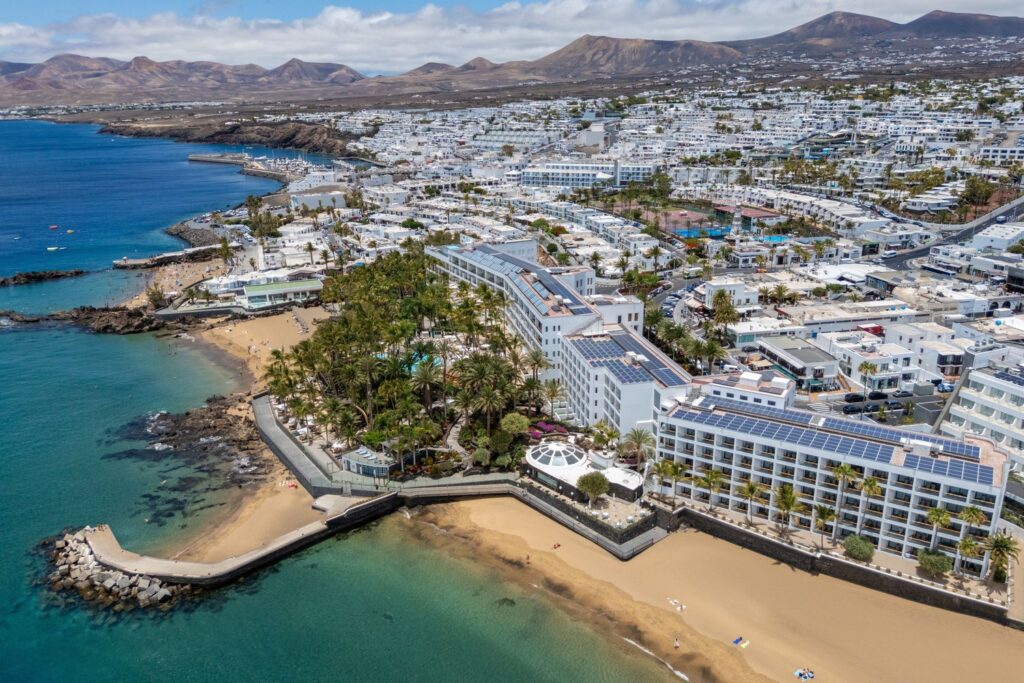
Puerto del Carmen, the island’s biggest resort, has the longest stretch of golden sand. Playa Grande and Playa de los Pocillos run for several kilometres along the promenade, with bars and restaurants all the way. The old harbour, at the western end, is the prettiest part of town. Costa Teguise, north of Arrecife, is quieter and popular with families and windsurfers. Its beach of Las Cucharas is the centre of the resort.
Wine tasting in La Geria
The La Geria valley, between Yaiza and San Bartolomé, is one of the strangest wine regions in the world. After the eruptions, farmers found that volcanic ash kept the soil moist, so they dug funnel-shaped pits in the black volcanic soil and planted a single vine in each. Low semicircular stone walls, called zocos, protect the plants from the wind. Thousands of these pits make the Lanzarote vineyards unlike any others, and the view from the LZ-30 road is unforgettable.
The main grape here is Malvasía Volcánica, which gives dry, aromatic white wines. Many bodegas along the road offer wine tasting, from family wineries such as La Geria and Rubicón to El Grifo, one of the oldest wineries in the Canary Islands, founded in 1775, with its own wine museum. If you’d like to enjoy more than one glass, book a wine tour with transport, because the road is narrow and winding.
Charming towns and villages
The towns of Lanzarote all follow Manrique’s rules: whitewashed houses, green or blue windows and no tall buildings. Each of them shows a different side of island life.
Teguise and its Sunday market
Teguise was the island’s capital until 1852. Its cobblestone streets, colonial mansions and churches make it the most historic town on the island. Every Sunday morning the old centre fills with the Teguise market, with around 400 stalls selling crafts, local goat’s cheese, honey, aloe vera products and souvenirs, plus live music in the squares. Above the town, the Castillo de Santa Bárbara on the Guanapay volcano holds a small museum about the pirates who attacked the island.

Come early on market day, because roads around Teguise get busy and parking fills up quickly. On other days the town is peaceful, and you can visit its churches and museums in a relaxed morning.
Haría, the valley of a thousand palm trees
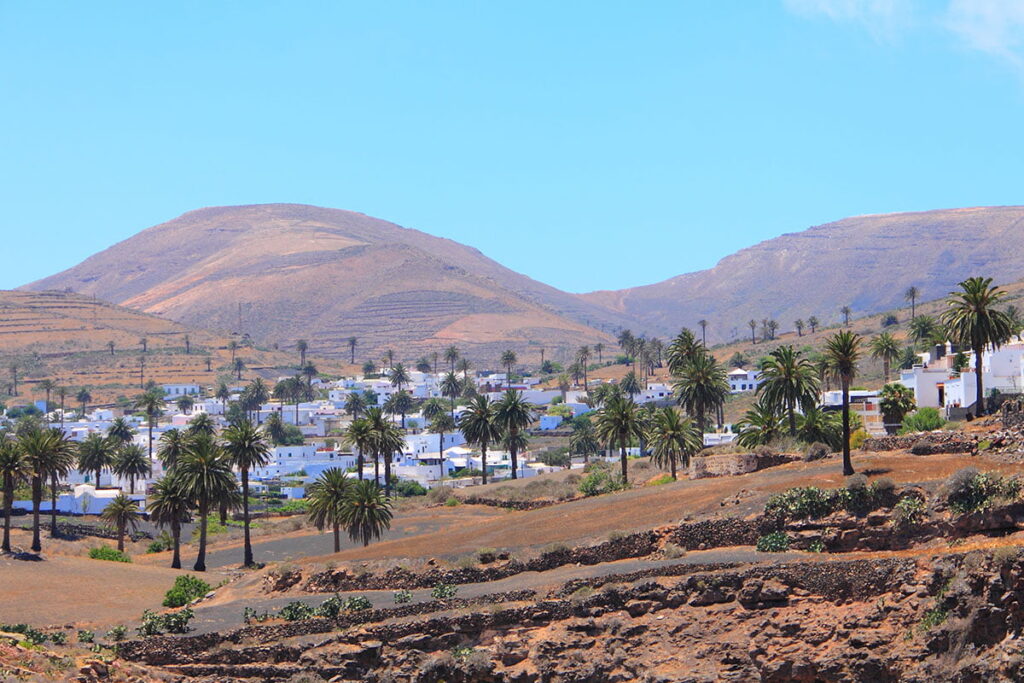
Haría lies in a green valley in the north, surrounded by thousands of palm trees. According to tradition, families planted two palm trees for every girl born and one for every boy. The town square, shaded by eucalyptus trees, has cafés and a craft market every Saturday morning. From here it is a short drive to the Casa-Museo César Manrique and to Mirador del Rio.
Arrecife, the island’s capital
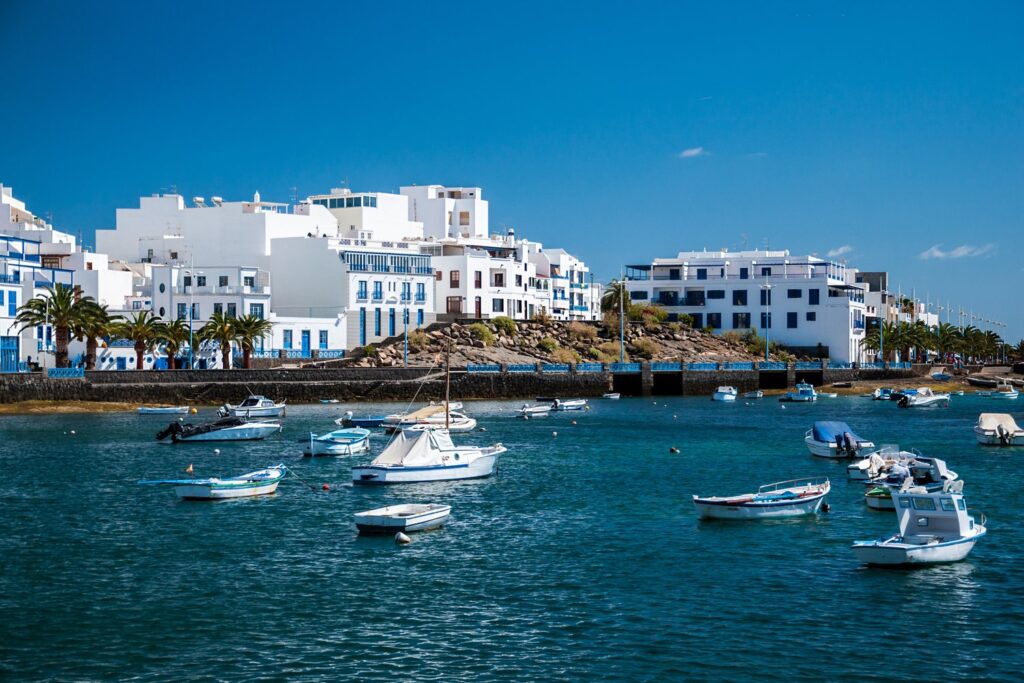
Arrecife is often overlooked, but it deserves a few hours. The heart of the town is the Charco de San Ginés, a lagoon lined with white houses and small fishing boats, and the beach of El Reducto has calm water right in the city.
FUN FACT: The only skyscraper on the island, the Arrecife Gran Hotel, was built before Manrique’s campaign, and it convinced the islanders to keep all other buildings low.
The Castillo de San Gabriel stands on a small island connected by bridges, while the Castillo de San José, an 18th-century fortress, now holds the International Museum of Contemporary Art, redesigned by Manrique. Lanzarote airport lies just a few minutes south of Arrecife.
Playa Blanca town and Marina Rubicón
Playa Blanca town is the island’s most relaxed resort, with a long seafront promenade lined with restaurants. Walk east along the coast to Marina Rubicón, where yachts moor in front of cafés and a craft market is held on Wednesdays and Saturdays. Boat trips to the Papagayo beaches and to Fuerteventura start from here.
A day trip to La Graciosa
La Graciosa is a small island just off the northern tip of Lanzarote, part of the Chinijo Archipelago and Europe’s largest marine reserve. Ferries leave from the harbour of Órzola and reach Caleta de Sebo in about 25 to 30 minutes. There are no paved roads on the island: the streets are sand, and the only cars are a few four-wheel-drive taxis.
Rent a bike in Caleta de Sebo and cycle to Playa de las Conchas in the north, one of the most beautiful beaches in the Canary Islands, with golden sand and the volcanic crater of Montaña Bermeja behind it. The sea there has strong currents, so swim only on calm days. Playa Francesa, closer to the harbour, has calm waters and is better for swimming. A day trip to Graciosa island is the best way to see how quiet the islands were before tourism.
Museo Atlántico, the underwater museum
Off the coast of Playa Blanca, the Museo Atlántico is Europe’s first underwater museum. The British artist Jason deCaires Taylor placed more than 300 life-size sculptures on the seabed at a depth of about 12 to 15 metres. The figures, including a group of refugees on a boat and a crowd walking through a gate, slowly become artificial reefs covered with sponges and fish.

You can see the museum only with a licensed dive centre. Several centres in Playa Blanca organise guided dives, and beginners can join a try dive with an instructor.
Outdoor activities and boat trips
The island’s climate and terrain make it perfect for outdoor activities. A buggy tour on the volcanic tracks around Femés or Tinajo is one of the most popular adventures, taking you to volcanic scenery that ordinary cars can’t reach. Cyclists love the quiet roads and the climb to Femés, which is why the Ironman Lanzarote has been held here since 1992.
Boat trips are another great way to see the coast. Catamarans sail from Puerto del Carmen and Playa Blanca to the Papagayo beaches, and dolphin-watching cruises leave in the late afternoon. You can also try kayaking and snorkelling at Papagayo, windsurfing in Costa Teguise or diving at the Museo Atlántico. For hikers, the climb to Caldera Blanca, near Mancha Blanca, rewards you with one of the largest volcanic craters on the island.
Lanzarote with kids
Lanzarote is great for families. The calm beaches of Playa Dorada and Las Cucharas are safe for small children, and there are two big water parks in Lanzarote: Aquapark Costa Teguise and Aqualava in Playa Blanca. In Puerto del Carmen, Rancho Texas Lanzarote Park combines a small zoo, a water park and Wild West shows. The Lanzarote Aquarium in Costa Teguise is a good choice for a windy or cloudy day.
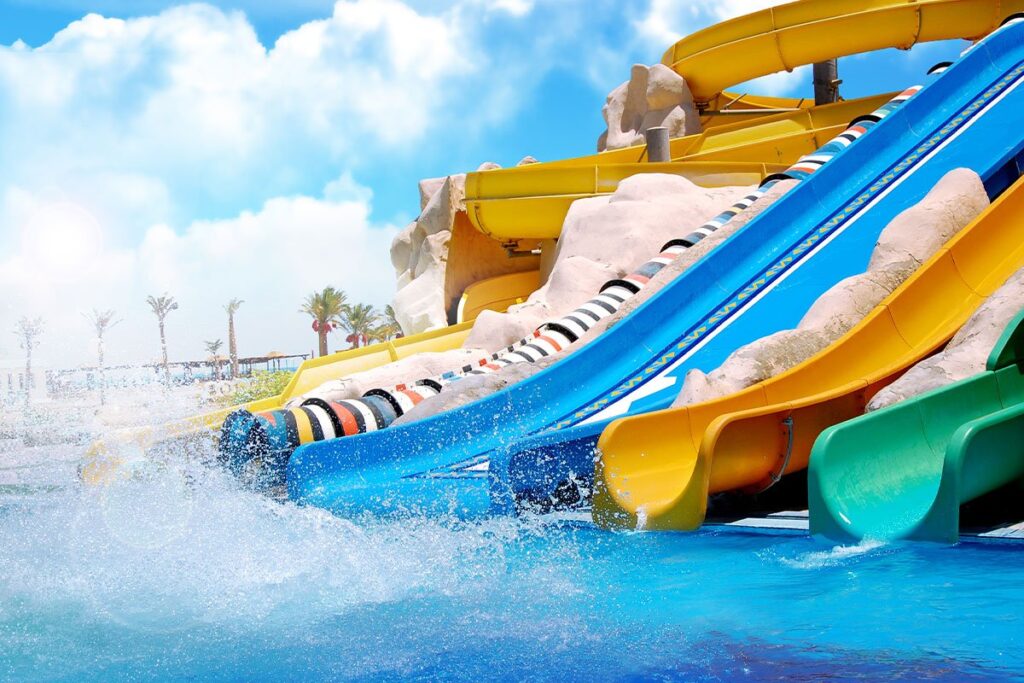
Many top sights work well with children too: the steam geysers at Timanfaya, the blind crabs at Jameos del Agua and the camel rides near Yaiza are usually the highlights. A pushchair is difficult in the caves, so bring a baby carrier.
Local food to try in Lanzarote
Canarian cuisine is simple and full of flavour. Try papas arrugadas, small potatoes boiled in salty water and served with mojo, a red sauce made with peppers and garlic or a green one with coriander. Fresh fish such as vieja (parrotfish) and cherne (wreckfish) is best in the harbours of El Golfo, Arrieta and Puerto del Carmen. Lanzarote’s goat’s cheese has won international awards, and you will find it at every market.
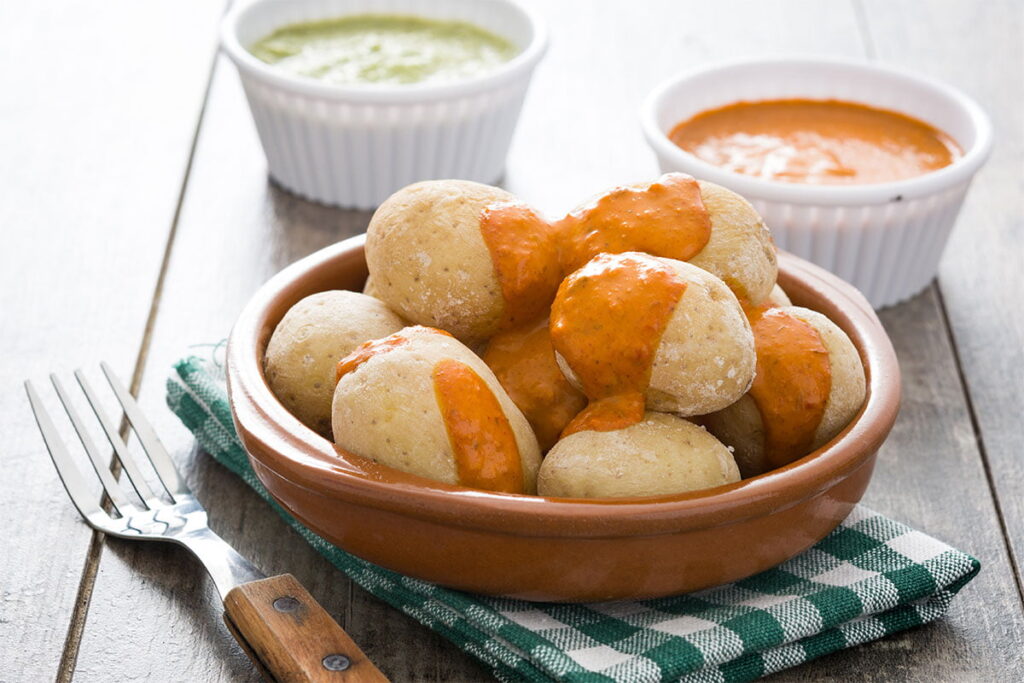
For dessert, try bienmesabe, a sweet cream of almonds and honey, or the local sweet potatoes in syrup. A glass of Malvasía from La Geria goes perfectly with seafood. Don’t miss gofio either, toasted grain flour that islanders add to soups and desserts.
Getting around the island
The easiest way to explore the whole island is with a rental car. Roads are good, distances are short and most sights have free parking. You can pick up car rentals at Lanzarote airport, and driving lets you move at your own pace and visit the north and west on separate days.
Without a car, the island’s public buses connect Arrecife with the main resorts, but they rarely go to the volcanoes or the Manrique centres. In that case, a guided island tour is the best way to see Timanfaya, Jameos del Agua and the north in one day. Taxis are easy to find in the resorts and at the airport.
How many days do you need and when to visit Lanzarote?
Plan at least three days for the main things to do in Lanzarote: one for Timanfaya and the west coast, one for the north and the Manrique centres, and one for the beaches. With a week you can add La Graciosa, a wine tour, Teguise market and a day trip to Fuerteventura, and still enjoy a few lazy days by the pool.
The weather on Lanzarote is mild all year, with daytime temperatures from about 21°C in winter to 29°C in summer. Spring and autumn are the best months to visit, with warm days and fewer crowds. July and August bring the strongest trade winds, which keep the heat pleasant. Winter is popular with British travellers, so book your accommodation well in advance for Christmas and the February half-term.
See available accommodation in Lanzarote
Hotels in Lanzarote
Choose your base depending on the kind of holiday you want. Puerto del Carmen has the longest beach and the liveliest evenings, Costa Teguise is calmer and close to the north, and Playa Blanca is the gateway to the Papagayo beaches and Fuerteventura. All three areas have large resort hotels and smaller places to stay within easy reach of the main sights.
💰 Hotel Fariones
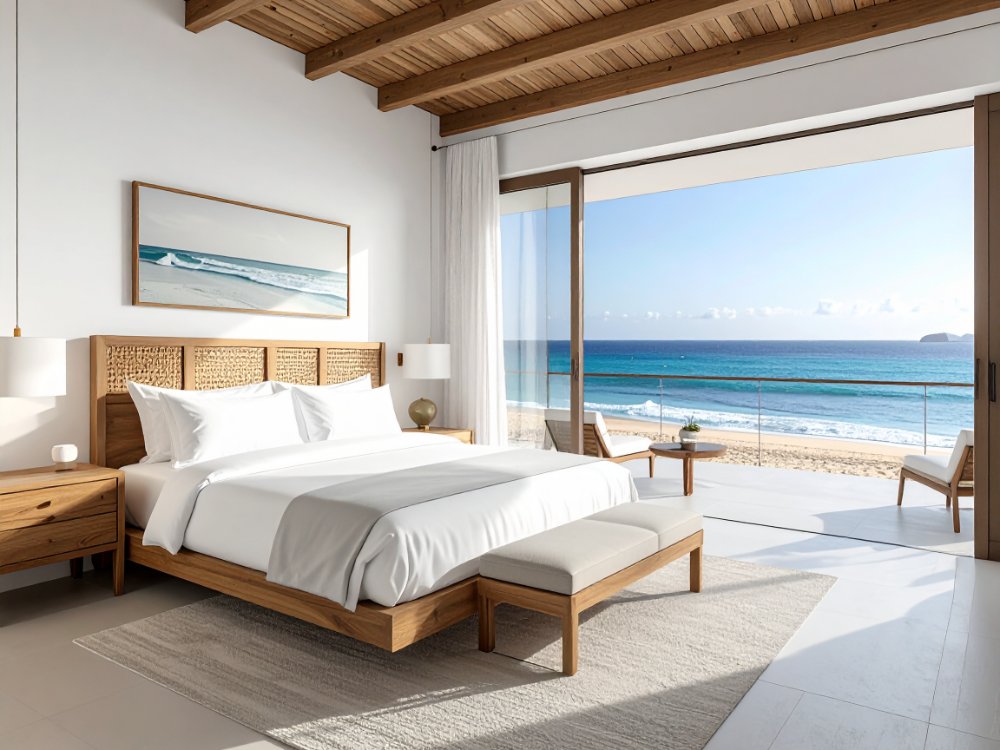
This classic hotel stands right on Playa Grande, at the quieter western end of Puerto del Carmen, a short walk from the old harbour. It has a modern design, two terrace pools, a rooftop bar and three restaurants with ocean views. Many rooms and apartments have balconies over the sea. It is a good choice if you want a beach holiday with restaurants and boat trips on your doorstep.
🏨 Barceló Teguise Beach
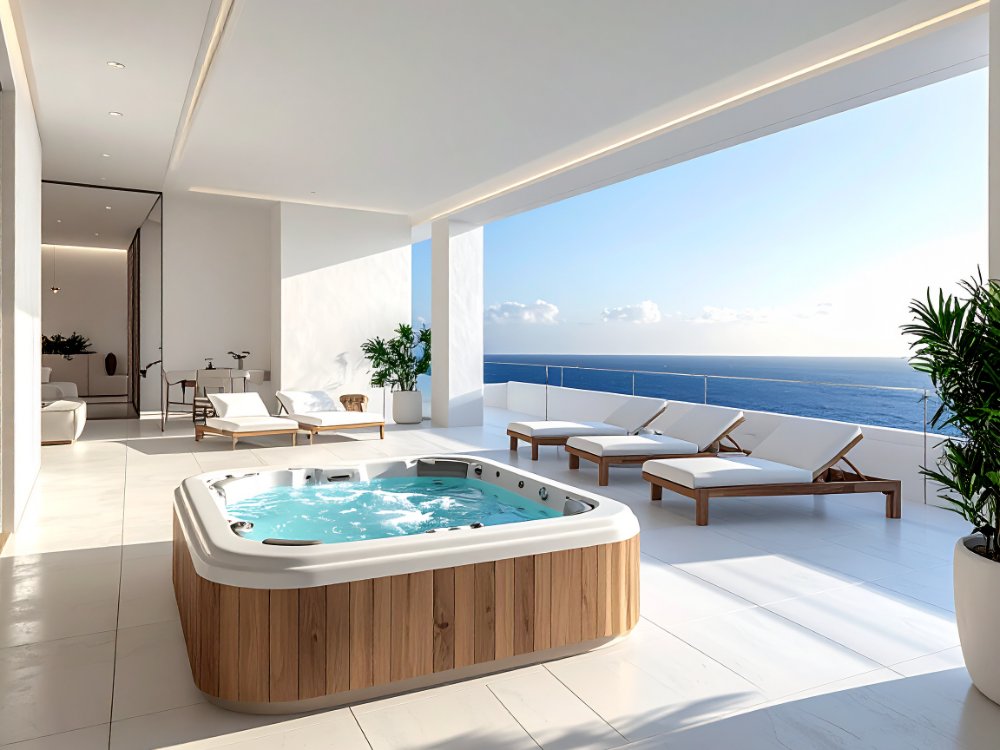
This adults-only hotel sits about 150 metres from Las Cucharas beach in Costa Teguise. The rooms have a bright, modern style, and some come with a terrace and private hot tub. Guests can relax at the pools, the spa and the rooftop terrace. Costa Teguise is a handy base for Jameos del Agua, the Cactus Garden and Teguise market, so it suits couples who want peace and easy access to the north.
💎 Lani’s Suites de Luxe
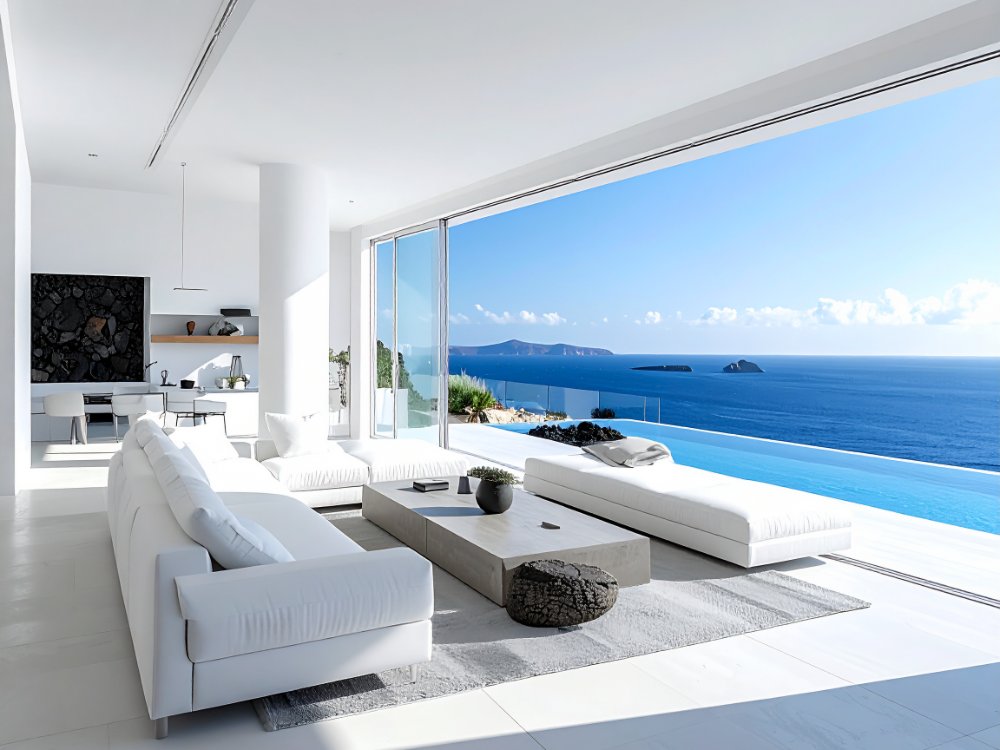
This adults-only boutique hotel lies on the seafront in Puerto del Carmen, in a building designed in the 1980s by César Manrique himself. It was converted into a luxury hotel with spacious suites, each with a private terrace and panoramic Atlantic views. The style is calm and elegant, and the beach and promenade are just across the road. It is the place to stay for a special occasion or a romantic break.
Lanzarote FAQ
What is Lanzarote most famous for?
Lanzarote is most famous for its volcanic landscape and the work of César Manrique. The Fire Mountains of Timanfaya, the lava tubes of Jameos del Agua and Cueva de los Verdes, and the vineyards of La Geria make it unlike any other island in Europe.
What is the best part of Lanzarote to stay in?
It depends on your plans. Puerto del Carmen is best for beaches and nightlife, Costa Teguise for families and easy trips to the north, and Playa Blanca for a quiet holiday close to the Papagayo beaches.
Do you need a car in Lanzarote?
A car is not essential, but it makes things much easier. Buses link the resorts with Arrecife, but most volcanoes, viewpoints and Manrique sights are hard to reach without a car or an organised tour.
How many days in Lanzarote is enough?
Three days is enough to see the highlights, such as Timanfaya, the north and Papagayo. A week gives you time for La Graciosa, a wine tour, Teguise market and some relaxing beach days.
What is the best month to go to Lanzarote?
April, May, September and October are the best months, with warm weather, calm seas and fewer visitors. Winter is also pleasant, as daytime temperatures rarely drop below 20°C.
Is Lanzarote better than the other Canary Islands?
It is different rather than better. Lanzarote is drier and more volcanic, with low white villages and art everywhere. Tenerife has Mount Teide and more variety, while Fuerteventura is all about long sandy beaches.

