Land at lunchtime and by mid-afternoon you can be eating rice on a palm-lined promenade, with a Moorish fortress watching from the rock above.
Alicante is the easy-going capital of the Costa Blanca, a coastal city where the beach starts at the end of the main shopping street. It’s only about 12 km from Alicante Airport, so a long weekend here wastes very little time in transit. You get a medieval castle, an old quarter of whitewashed lanes, a marina for evening strolls and a long sandy bay a short tram ride away. In this article you’ll find the best things to do in Alicante, how to plan two or three days, where to go on day trips and which hotels make a good base.
💰 Hotel Serawa Alicante - A modern four-star hotel a few minutes from the Explanada.
🏨 Eurostars Pórtico Alicante - A four-star hotel with a small spa in the modern centre.
💎 Hospes Amérigo, a Member of Design Hotels - A five-star former convent with a rooftop pool in the old town.
Things to do in Alicante - The essentials
Most of the main attractions sit within a 20-minute walk of each other, between Mount Benacantil and the harbour. Start with the castle in the morning, when the climb is cooler and the light over the bay is soft. Spend the middle of the day in the old town and the Mercado Central, then save the Explanada de España and the marina for the evening paseo.
If you only have one day, that loop covers the highlights. With two days, add a museum, the beach at San Juan and a tapas crawl. With three, take a boat to Tabarca Island or a day trip inland to Guadalest and the Algar waterfalls. Alicante also works well as a base for the rest of the coast, as trams, buses and trains run north to Benidorm and Valencia and south to Elche.
Castillo de Santa Bárbara - The fortress on Mount Benacantil
Castillo de Santa Bárbara, or Santa Barbara Castle, crowns Mount Benacantil, 166 metres above the city centre, and it’s the first place most people head for. The hilltop was fortified by the Moors in the 9th century. Castilian troops took it on 4 December 1248, Saint Barbara’s feast day, which gave the castle its name. What you see today is mostly a medieval fortress reworked in the 16th to 18th centuries, with three walled enclosures stacked up the slope.

You can reach the top in two ways. A lift cut through the rock starts on Avenida de Jovellanos, opposite Playa del Postiguet, and takes you up in a couple of minutes. The alternative is a steep but rewarding walk through the Santa Cruz neighbourhood and the Parque de la Ereta. Entry to the castle grounds is completely free, and only the lift carries a small charge.
Give yourself at least an hour and a half up here. The terraces have fantastic views over the harbour, the Explanada and the Mediterranean Sea. Look out for the rock face known as la Cara del Moro (the Moor’s Face) on the seaward side, a profile best seen from the beach below. You may see the name written as Castillo de Santa Barbara, without the accent, on bus stops and maps.
Barrio de Santa Cruz and the old town
Barrio de Santa Cruz is the oldest neighbourhood in Alicante, clinging to the lower slopes of Benacantil. Its narrow streets are lined with blue doors, flowerpots and tiny chapels, and the steps get steeper the higher you climb. Locals call the wider old town simply El Barrio. During Holy Week, processions squeeze through these lanes, which is a sight in itself.

Below Santa Cruz, the old town spreads out in a grid of pedestrian streets packed with bars. This is where Alicante goes out at night, especially at weekends. By day it’s a pleasant place to wander, with small squares like Plaza de Santa María and Plaza del Carmen. Wear comfortable shoes, because the cobbles and slopes are tiring in the heat.
Basilica de Santa María and the Concatedral de San Nicolás
The Basilica de Santa María, often spelt Basilica de Santa Maria in English guides, is the oldest active church in the city. It was built in the 14th to 16th centuries on the site of the main mosque, in a Valencian Gothic style. The ornate Baroque doorway was added in the 18th century, and the two bell towers don’t match because they were finished centuries apart. Inside, look for the gilded high altar and the Renaissance font.
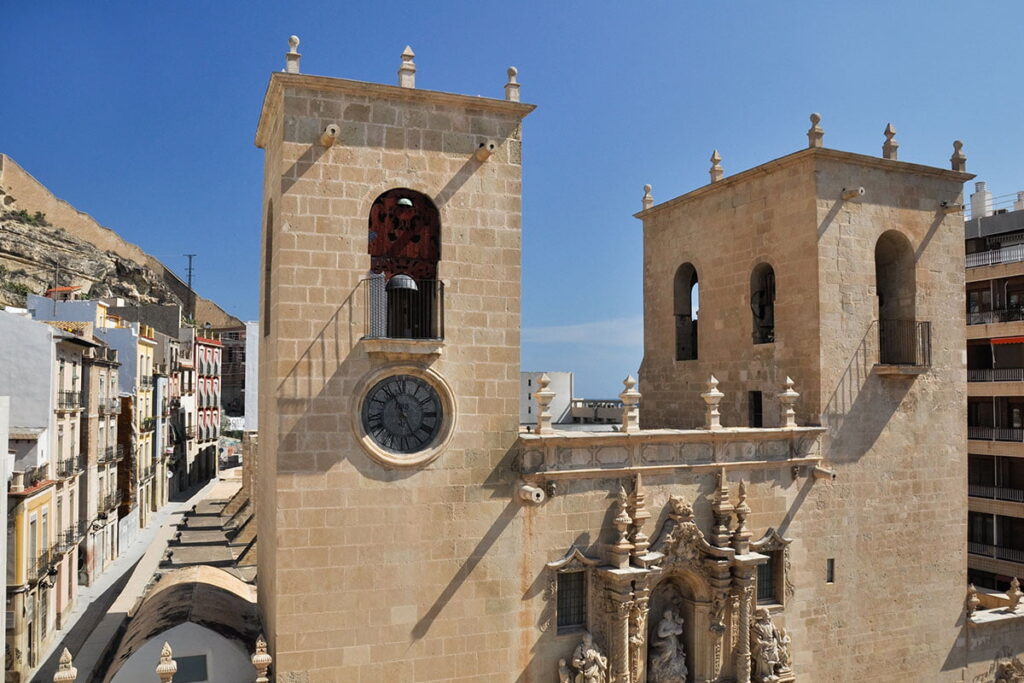
A few streets away, the Concatedral de San Nicolás de Bari is the city’s co-cathedral, built in the 17th century in a sober Renaissance style. Its large blue dome is easy to spot from the castle. The quiet cloister is a good escape from the midday sun. Both churches close for a few hours in the afternoon, so plan them for the morning.
Explanada de España and the harbour
The Explanada de España is Alicante’s signature promenade, running for about half a kilometre between the marina and the city centre. It’s paved with some 6.5 million marble tiles laid in a red, black and cream wave pattern, shaded by a double row of palm trees. In the evening it fills with families, street sellers and couples on benches. People watching here, with an ice cream in hand, is one of the simple pleasures of the city.
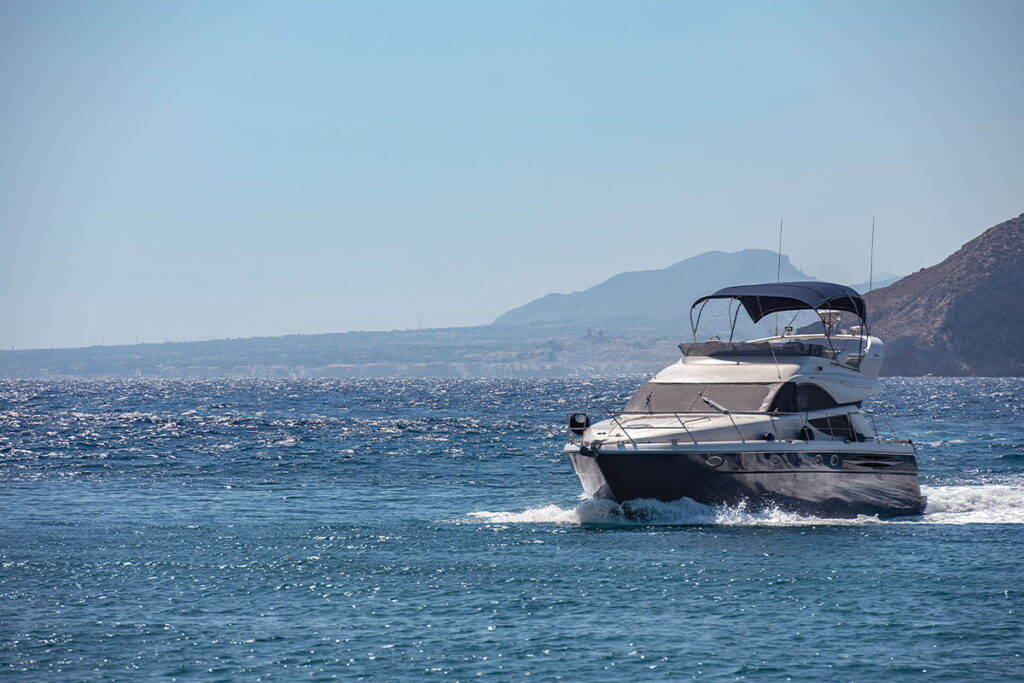
On the harbour side, you’ll find the marina, the cruise terminal and a row of restaurants with sea views. The Ocean Race Museum, at the end of the port, tells the story of the round-the-world sailing race. Alicante has hosted its start several times, and the museum is free and interactive, which makes it a good stop with children. Boat tours and the ferries to Tabarca also leave from this stretch of the harbour.
Alicante beaches - Playa del Postiguet and San Juan beach
Playa del Postiguet, or Postiguet beach, is the main city beach, right below the castle and a few minutes’ walk from the old town. It’s convenient for a quick swim between sights, with showers, sunbeds and beach bars. Expect crowds on summer weekends, when it fills up early.

For more space, take the tram to Playa de San Juan, around 20 minutes from the centre. Together with neighbouring Muchavista, it forms roughly 7 km of fine golden sand, with a Blue Flag beach, a long promenade and calm, shallow water. This is where locals spend their summer holidays, and it’s the best choice for families. Closer in, the small coves at La Albufereta and the Cabo de las Huertas headland are good for snorkelling.
Mercado Central and good food in Alicante
The Mercado Central, the city’s central market, opened in 1921 on the edge of the old town, in a handsome building with a modernist dome. Around 300 stalls sell fresh produce, seafood, cured ham, olive oil and local sweets. It’s open Monday to Saturday from early morning until around lunchtime, and the bars inside serve tapas and a glass of wine from 10am. Come hungry and graze rather than sit down for a full meal.

Rice is the star of the local table. Try arroz a banda, rice cooked in fish stock and served with alioli, or arroz con costra, baked with a crust of egg. Alicante is also the home of turrón, the almond nougat made in nearby Jijona, and you’ll find it in shops all year. If you’d like a guide, a food tour of the old town is an easy way to taste several specialities in one go.
Museums in Alicante - MARQ, MACA and MUBAG
The Archaeological Museum of Alicante, known as MARQ, won the European Museum of the Year award in 2004. Its rooms take you from Iberian settlements to Roman Lucentum and the Moorish city, with clever lighting and films. Allow two hours, and check the programme for temporary exhibitions.

In the old town, visit MACA, the Museum of Contemporary Art, for its impressive collection of 20th-century art, including works by Picasso, Miró, Dalí and Chillida from the Sempere collection. Next door to the Basilica de Santa María, it’s free and rarely busy. The Gravina Museum of Fine Arts (MUBAG), in an 18th-century palace, covers Alicante painting from the 16th to the early 20th century.
Calle de las Setas, the town hall and the modern centre
Calle de las Setas, nicknamed Mushroom Street and officially Calle San Francisco, is the city’s most playful street. Giant mushroom sculptures, painted ground and small playgrounds turned a dull shopping lane into a favourite with children. The cafés along it are a handy stop on the way between the old town and the Mercado Central.
Alicante Town Hall is an 18th-century Baroque palace with two towers, on the edge of the old quarter. On the first step of its main staircase sits a small metal plaque, the zero point used to measure height above sea level across Spain. From here, walk along Rambla de Méndez Núñez and the leafy Plaza Gabriel Miró to see the modern side of the city. Nearby Casa Carbonell, built in 1922-1925, is the grand white building you’ll keep seeing in photos of the Explanada.
Hogueras de San Juan - Alicante’s June bonfires
The Hogueras de San Juan are the biggest festival in Alicante, held from 20 to 24 June. Neighbourhoods build huge satirical sculptures of wood and papier-mâché, called hogueras, and parade through the streets for days. There are daily firework contests at 2pm in Plaza de los Luceros, known as mascletàs, which you hear as much as see.
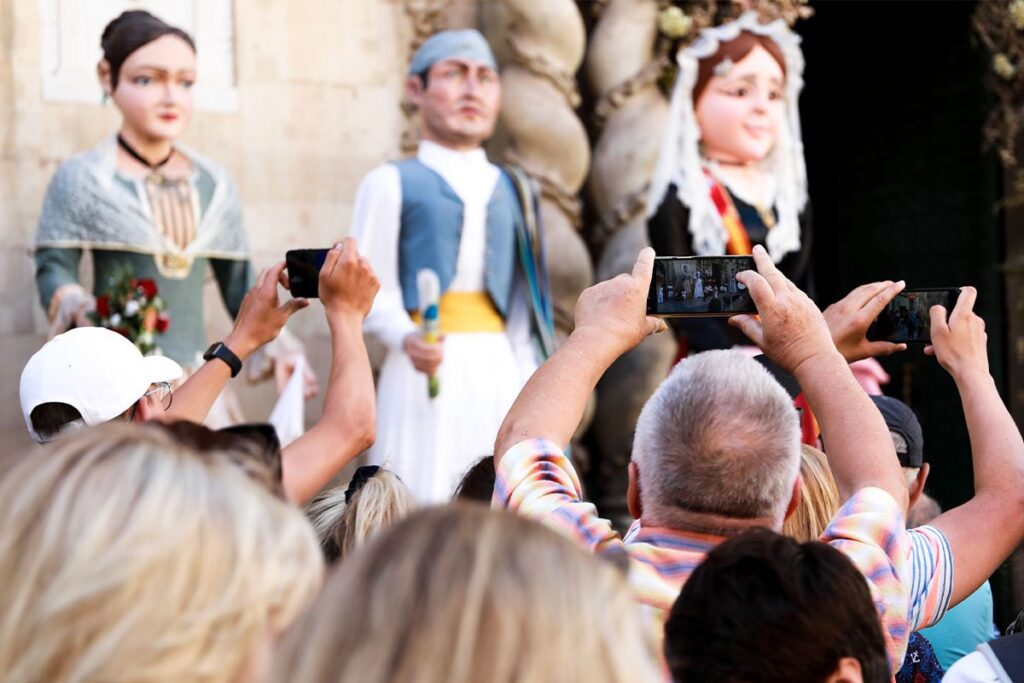
The climax is the night of 24 June. At midnight a palm-shaped firework rises from the castle, and then the sculptures are set alight all over the city. Hotels fill up early for this week, so book your accommodation well in advance if you want to be here.
See available places to stay in Alicante
Day trips from Alicante
Alicante is a great base for exploring the coast and the mountains behind it. Many trips are possible by public transport, while others are easier on an organised tour or with a rental car.
Tabarca Island
Tabarca Island is the only inhabited island in the Valencian Community, a small island with a walled 18th-century village, a lighthouse and very clear water. It was Spain’s first marine reserve, declared in 1986, so the snorkelling is excellent. Boats leave from Alicante harbour and take about an hour, while the crossing from Santa Pola takes around 25 minutes. Stay for lunch, as the island’s restaurants are known for caldero, a rich fish and rice stew.
Elche and its palm groves
Elche is only 20 minutes away by train and has one of the largest palm groves in Europe, with around 200,000 palm trees and a UNESCO World Heritage Site since 2000. Visit the Huerto del Cura garden and the Basilica de Santa María, where the medieval Mystery Play is staged every August.

Guadalest, the Algar waterfalls and the north coast
Guadalest is a castle village perched on a rock, about an hour’s drive from Alicante. Combine it with a swim in the turquoise pools of the Algar waterfalls. On the way back, stop in Altea for its blue-domed church or in colourful Villajoyosa. The TRAM line 1 also runs up the coast to Benidorm in about 75 minutes, and from there you can continue to Calpe. For more ideas, see our guide to the Costa Blanca attractions.
Canelobre Caves and Torrevieja
The Canelobre Caves near Busot, about 25 km inland, hide one of the highest cave vaults in Spain. To the south, Torrevieja is known for its pink salt lake and long beaches.
How to get to Alicante and get around
Alicante-Elche Airport has direct flights from most UK airports, including London, Manchester, Birmingham, Bristol and Edinburgh. It’s one of the busiest international airports in Spain, so cheap flights are easy to find outside school holidays. The C-6 airport bus runs to the city centre in about 30 minutes, and a taxi takes around 20.
The centre is compact and easy to explore on foot. The TRAM network connects Luceros and the Mercado stop with San Juan beach, El Campello and the towns further north. Trains from the main train station run to Madrid in around two and a half hours and to Valencia in under two hours, and you can compare times on Omio. You don’t need a car in the city, as parking is limited and expensive.
When to visit Alicante
Alicante has a mild Mediterranean climate and over 300 days of sunshine a year. Spring and autumn are the best times to visit, with daytime temperatures of around 20-26°C and the sea stays warm from June to October. July and August are hot, often above 30°C, and the busy summer months bring crowds to every beach.
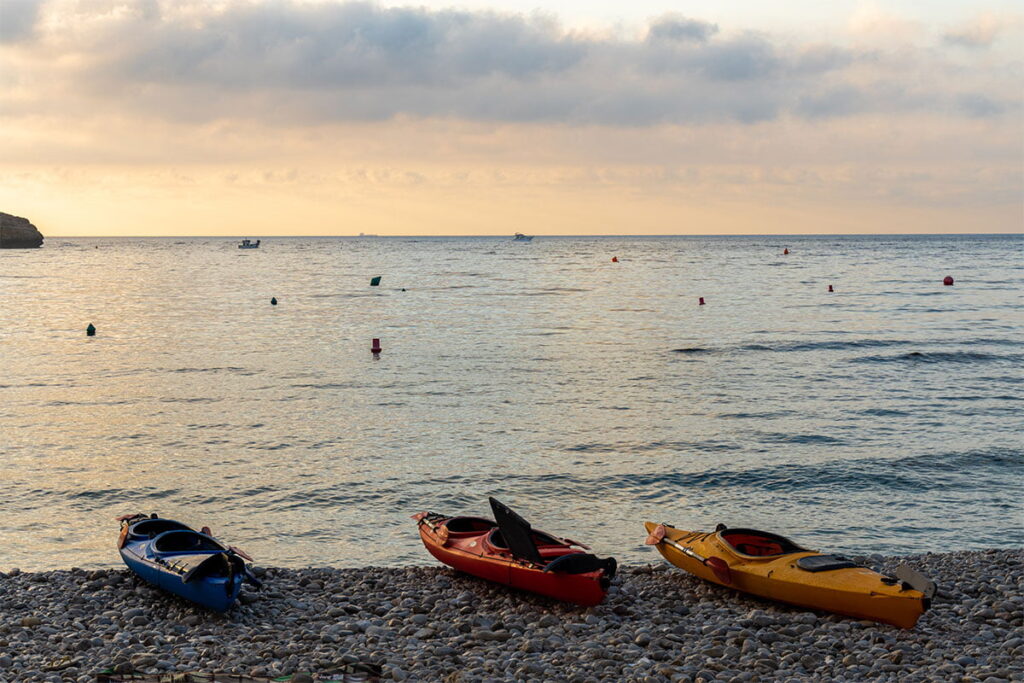
Winter is surprisingly pleasant, with sunny days of around 17°C, which makes Alicante a popular escape from the British winter. Just keep in mind that the sea is too cold for most swimmers from December to April. If you love festivals, aim for the Hogueras in June or Holy Week in spring.
Is Alicante worth visiting?
Yes, Alicante is worth visiting, especially if you want a city break and a beach holiday in one trip. It has a real Spanish city life all year, which many resort towns on the coast lack. Two or three days are enough for the main sights, and a week lets you add the best day trips in the Alicante region. For a wider view of the area, read our guide to the Valencia region.
Hotels in Alicante
The best area to stay is between the old town, the Explanada and the Mercado Central, where everything is within walking distance. These three hotels cover different budgets and are all close to the main attractions.
💰 Hotel Serawa Alicante
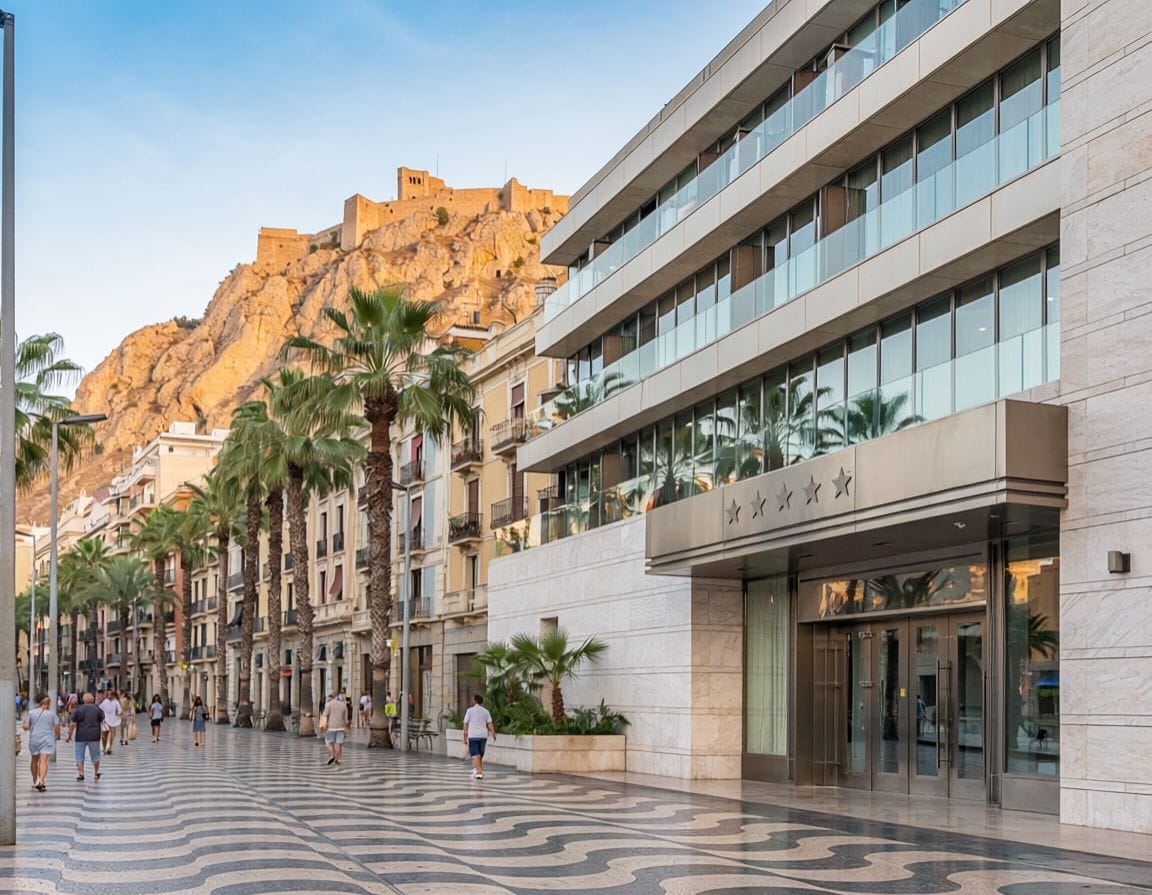
A modern four-star hotel on Calle San Fernando, a few minutes’ walk from the Explanada and the old town. Rooms are bright and simple, with good soundproofing, which matters in a lively part of the city. Breakfast is served in a café-style dining room and the staff are happy to help with tips. It’s a great choice if you want a central location without paying for a seafront view.
🏨 Eurostars Pórtico Alicante
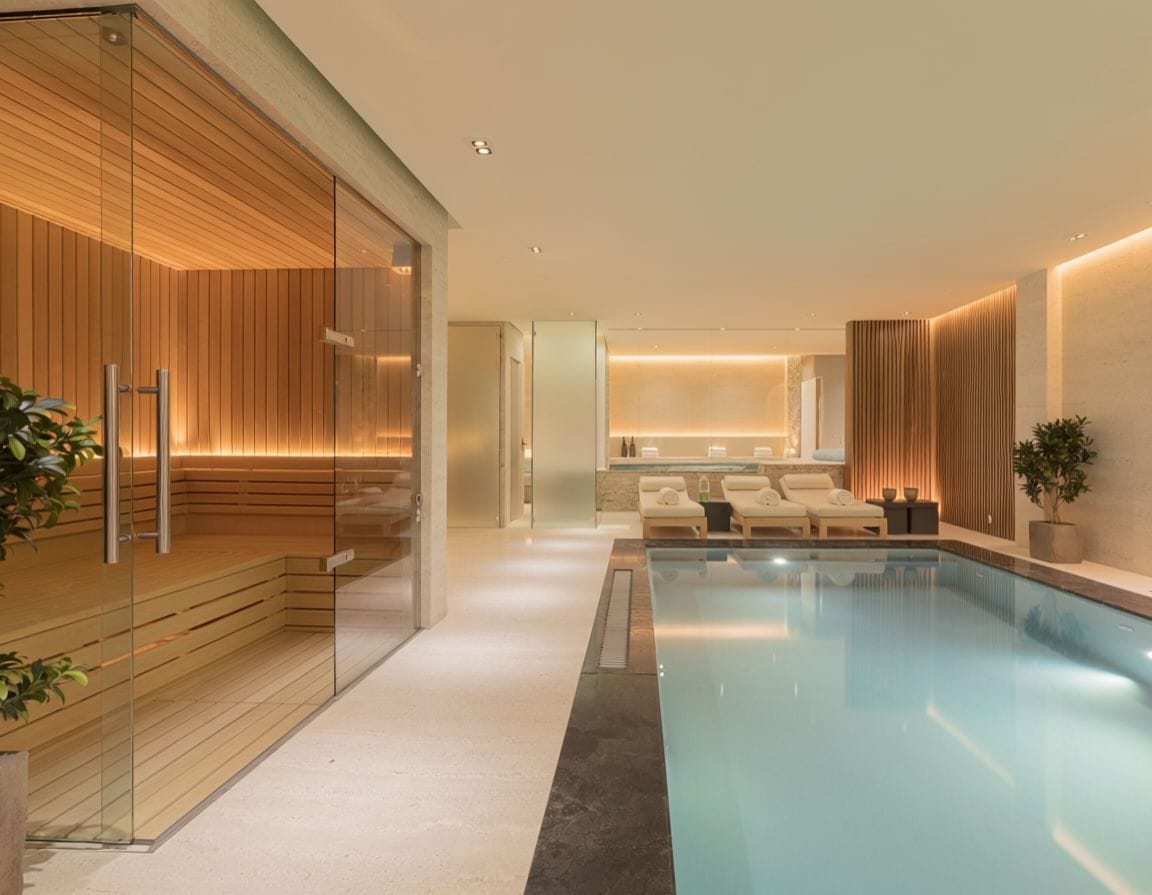
A four-star hotel in the modern centre, about 15 minutes on foot from the beach and the old town. It has spacious rooms, a small spa and a restaurant serving Mediterranean dishes. The shopping streets are on the doorstep, and the tram stops are close by for day trips. It suits couples and travellers who want comfort and good value.
💎 Hospes Amérigo, a Member of Design Hotels
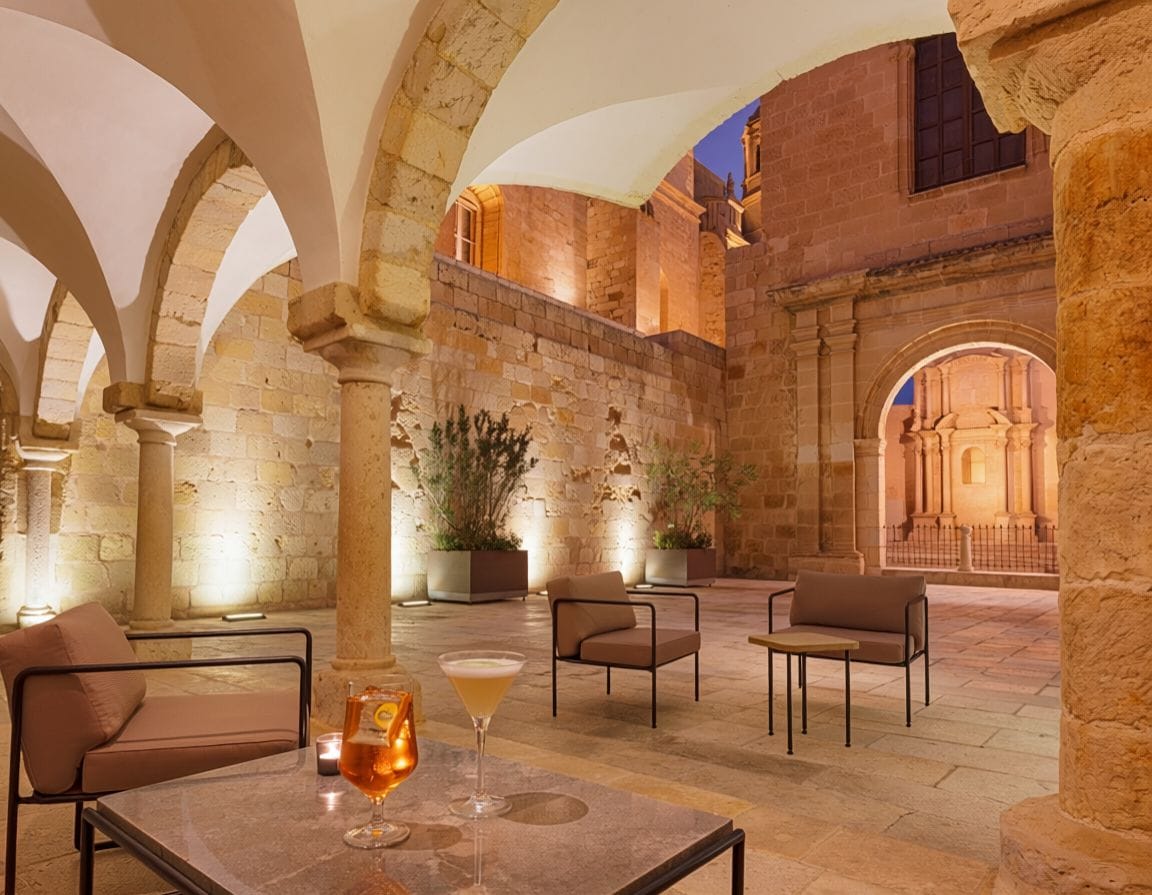
A five-star hotel in a former Dominican convent, right in the old town and a short walk from the Explanada. The design mixes original stone with modern furniture, and the rooftop has a small pool and terrace with views of the castle. There’s also a spa and a well-regarded restaurant. It’s the place to stay for a romantic weekend or a special occasion.
Alicante FAQ
How many days do you need in Alicante?
Two days are enough to see the castle, the old town, the Explanada and a beach. Three days let you add a museum and a boat trip to Tabarca or a day trip to Elche. If you want to use Alicante as a base for the Costa Blanca, plan a week.
Is Alicante or Málaga better for a holiday?
Both are great city-and-beach destinations with direct flights from the UK. Málaga has more big-name museums and is a better base for Andalusia, while Alicante is smaller, more relaxed and has longer sandy beaches close to the centre. For a laid-back long weekend, Alicante is hard to beat.
What is the nicest part of Alicante to stay in?
The area around the old town, the Explanada and the Mercado Central is the nicest and most practical, as you can walk everywhere. Families who want a beach holiday often prefer Playa de San Juan, which is quieter and connected to the centre by tram.
How far is Alicante Old Town from the beach?
Not far at all. Playa del Postiguet starts right at the edge of the old town, a two- to five-minute walk from most of its streets. Playa de San Juan is around 20 minutes away by tram.
Is Castillo de Santa Bárbara free to visit?
Yes, entry to the castle is free. You only pay a small fee if you use the lift from Avenida de Jovellanos, while the walk up through the Santa Cruz neighbourhood costs nothing.

