Plenty of people land at the airport, pick up a hire car and head straight for the beaches. On the way they drive past a cathedral that glows like a lantern at sunset, a castle shaped like a crown and some of the best tapas bars in the Mediterranean.
Palma de Mallorca is the capital of Mallorca and the largest city in the Balearic Islands. About half of the island’s population lives here, yet the historic centre still feels like a small town. You can walk from the cathedral to the food markets in 15 minutes, have lunch in a quiet square and finish the day with a swim at a beach inside the city limits. In this article you’ll find the best things to do in Palma de Mallorca, from the big sights to the neighbourhoods where locals eat, plus tips on how many days to spend, how to get around and where to stay.
💰 Hotel Bosch Boutique - A characterful boutique hotel in the old town, two minutes from Passeig del Born.
🏨 Hotel Almudaina - A four-star hotel on Avenida Jaime III, about 500 metres from the cathedral.
💎 Can Bordoy Grand House & Garden - A luxury 16th-century mansion with a garden, pool and spa in the old town.
Is Palma de Mallorca worth visiting?
Yes, and not only as a stop on the way to a resort. Palma mixes grand architecture with a relaxed seaside pace, which is why it works so well for a city break. In one day you can see a Gothic cathedral, a royal palace and Moorish baths, then sit under the palm trees on the promenade with a glass of local wine.
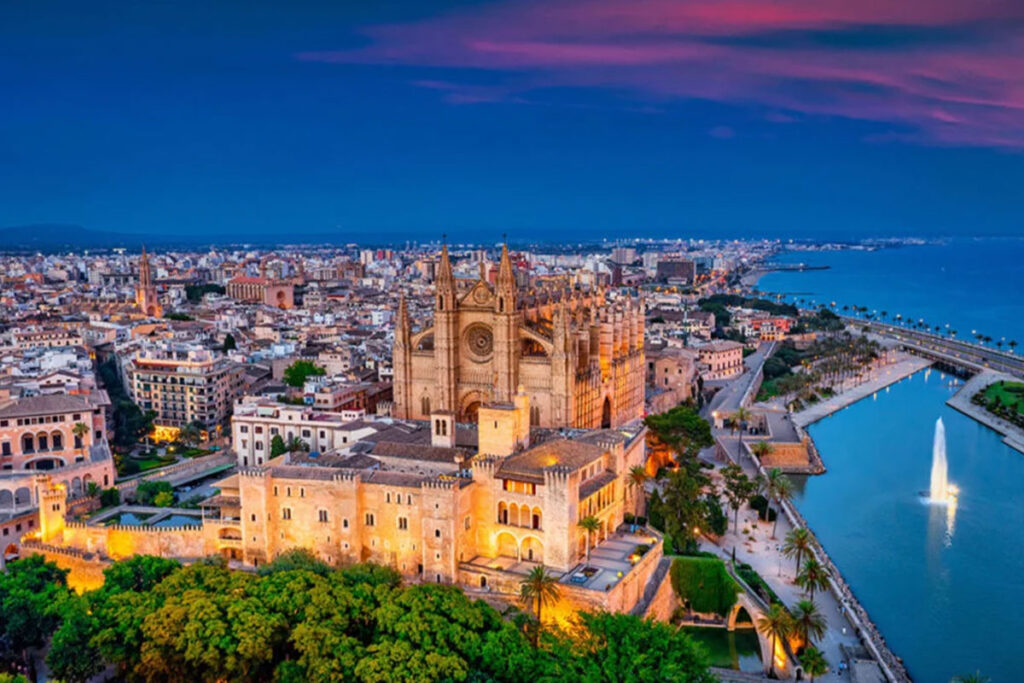
Palma and Mallorca are not the same thing, although people often use the names interchangeably. Mallorca (or Majorca in older British guidebooks) is the whole island, while Palma is its capital on the south-west coast, set on a wide bay. Direct flights from most UK and Irish airports take about two and a half hours, so Palma is one of the easiest European cities to reach for a long weekend.
The city is famous for its cathedral, La Seu, for the round Castell de Bellver and for its food scene, from the ensaïmada pastry to tapas bars in Santa Catalina. It is also a great base for exploring the rest of the island. Trains, buses and organised tours run from the city centre to the mountains, the north coast and the caves in the east.
Visit La Seu, the cathedral of Palma
La Seu is the first thing you see when you arrive by sea and the one sight you shouldn’t skip. Palma Cathedral stands just above the water, on top of the old city walls. Its full name is the Cathedral of Santa Maria of Palma. King James I of Aragon promised to build it during the conquest of the island in 1229, and work went on for centuries until it was completed in 1601.
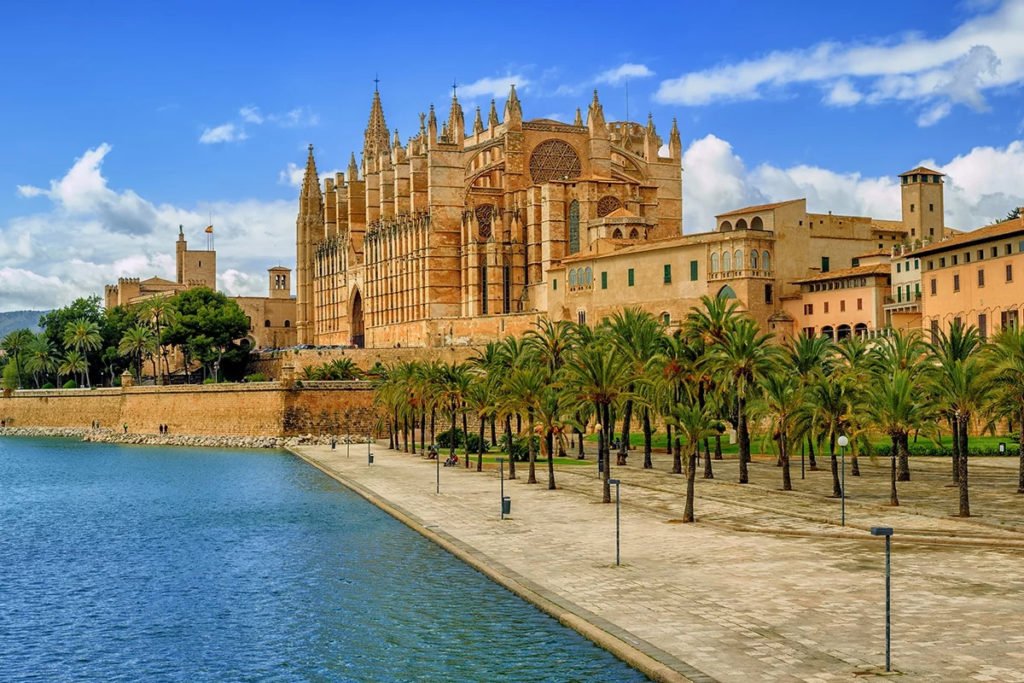
Inside, the scale is what strikes you first. The nave is one of the tallest in Gothic Europe, and the main rose window is among the largest in the world. In the early 20th century Antoni Gaudí worked on the interior, and you can spot his touch in the huge wrought-iron canopy hanging above the altar. Contemporary art has a place here too. The Chapel of Sant Pere is covered in a ceramic mural by Miquel Barceló, a Mallorcan artist, showing the miracle of the loaves and fishes.
If you’re in Palma on 2 February or 11 November, set your alarm. At dawn on those two days the sun shines through the main rose window and projects a second, coloured rose onto the wall directly beneath it, so the two form a figure of eight. Locals call it the Festa de la Llum (the festival of light). For the rest of the year, come early in the morning to avoid the queues, especially when cruise ships are in port. A skip-the-line ticket saves a lot of time in high season.
Explore the Royal Palace of La Almudaina
Right next to the cathedral stands La Almudaina, a fortified palace that started life as a Moorish fortress. After the Christian conquest the kings of Mallorca rebuilt it as their royal home in the 14th century. Today the Almudaina Palace is the official residence of the Spanish royal family for receptions and state ceremonies. For most of the year, though, you can visit the rooms open to the public.
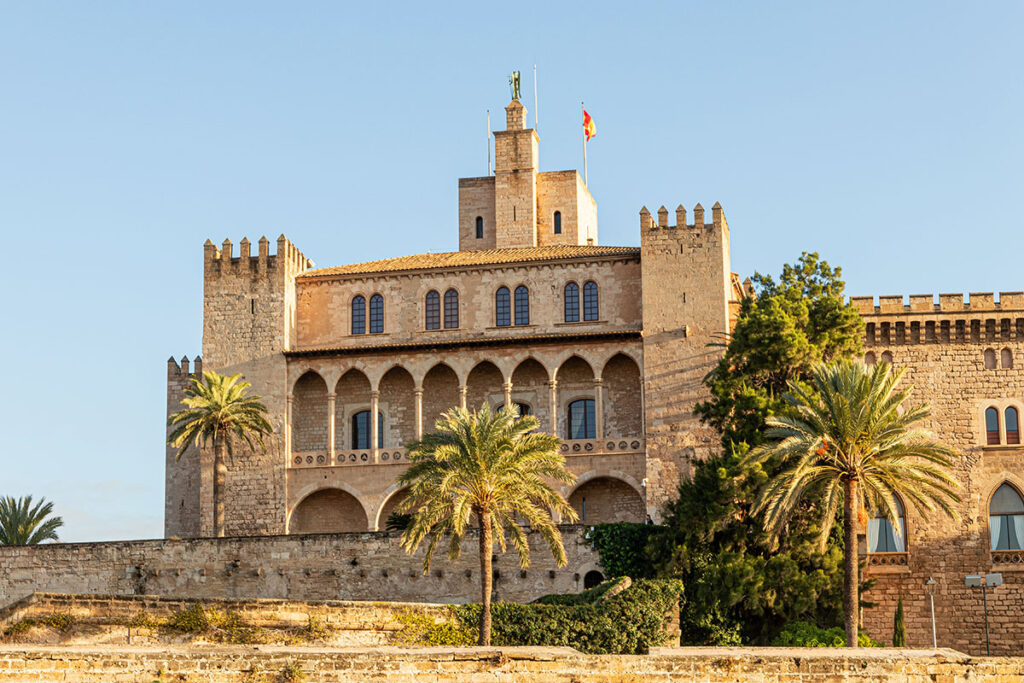
The tour takes about an hour. You’ll walk through Gothic halls with Flemish tapestries, the royal apartments and the Chapel of Santa Ana, and you’ll see the Arab-style courtyard where the original fortress stood. From the palace walls you get great views of Palma Bay and of the gardens below. In summer the palace hosts concerts and a changing of the guard ceremony, so check the calendar before you go.
Get lost in the old town
The old town of Palma is a maze of narrow, pedestrianised streets that wind up from the seafront towards Plaça Major, the main square. You don’t need a map here. Pick a street that looks interesting and follow it. You’ll pass Gothic churches, tiny bakeries and stone mansions with heavy wooden doors. The centre is so compact that you’ll soon end up somewhere you recognise.
Arab Baths and the Moorish city
The Arab Baths (Banys Àrabs) date back to the 10th century, when the city was called Medina Mayurqa. They’re one of the few buildings left from the Moorish period. The small domed room with horseshoe arches stands in a peaceful garden full of cacti, orange trees and cats, which makes it a perfect place for a short break from the crowds.
Patios, churches and Passeig del Born
Many old town mansions hide beautiful inner courtyards called patis. During the day some of them are left open, so look through the gates on streets such as Carrer de la Portella and Carrer de Sant Francesc. Nearby you’ll find the Basilica of Sant Francesc, with a lovely Gothic cloister, and the Church of Santa Eulàlia. Walk down to Passeig del Born, the elegant boulevard lined with plane trees, which links the historic buildings of the old town with the shopping streets.
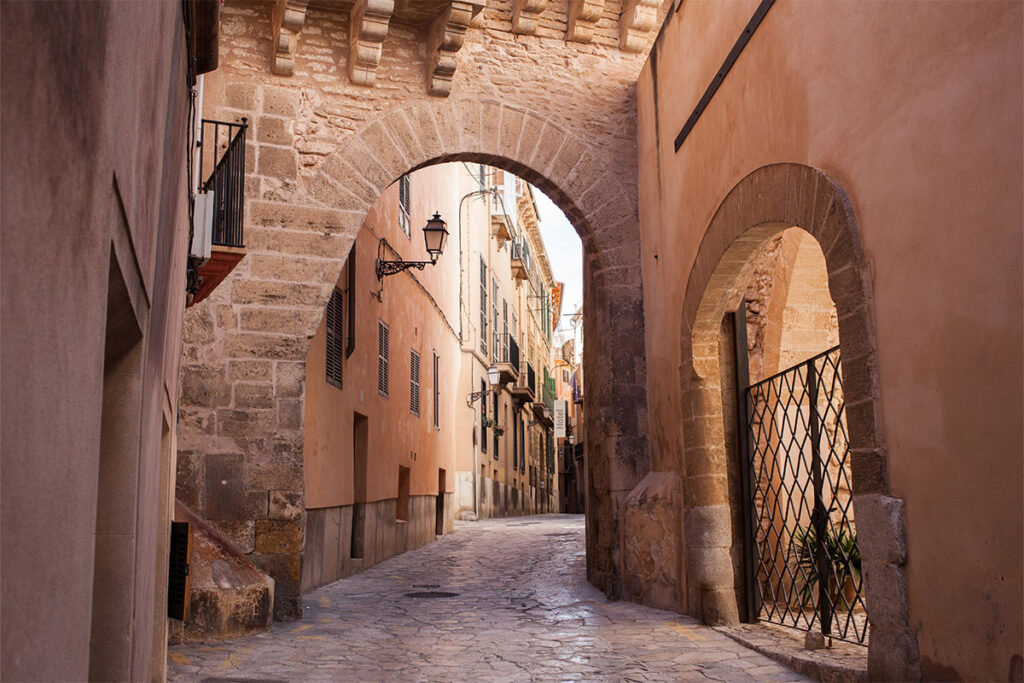
A walking tour is a good idea on your first day. A local guide will show you courtyards you would walk past on your own and tell you the legends behind the main attractions. Many tours combine the streets of the old town with a visit to the cathedral and a tasting of local snacks.
Climb up to Bellver Castle
Castell de Bellver sits on a pine-covered hill, about 3 km west of the cathedral. It was built in the early 14th century for King James II of Mallorca, and it is one of the very few circular castles in Europe. Seen from above, its round courtyard, moat and thick tower, linked to the main building by a bridge, make it look almost like a crown.
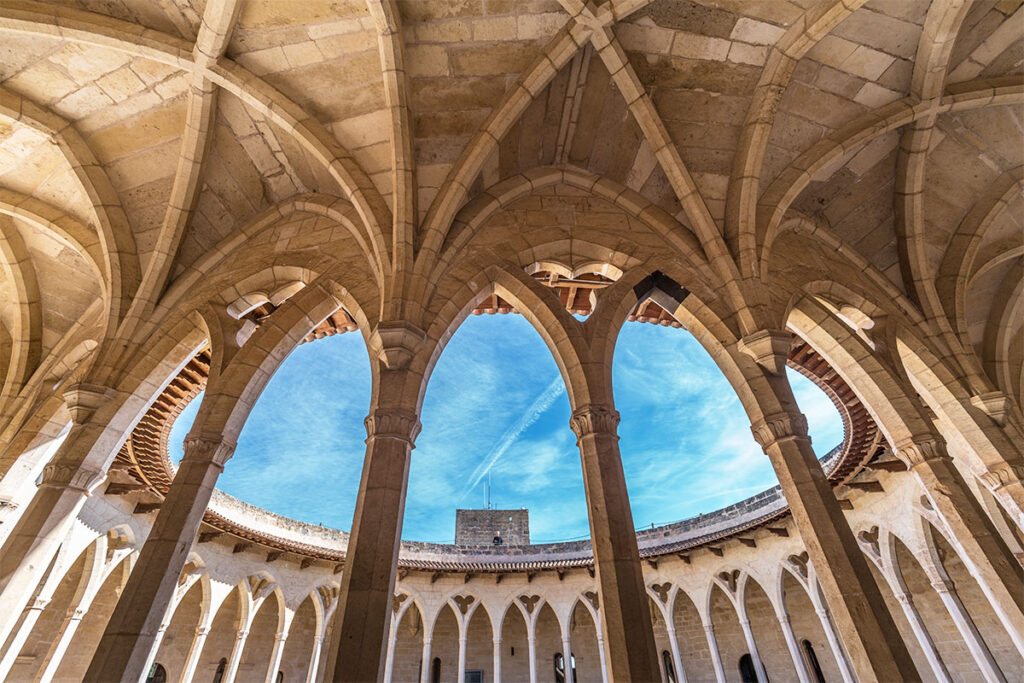
The real reward is the view. From the roof terraces you can see the whole of Palma Bay, the port, the cathedral and the city skyline, with the Tramuntana mountains in the distance. Inside is Palma’s history museum. Entry is free on Sundays and the castle is closed on Mondays. You can walk up through the park in about 30 to 40 minutes, take a taxi, or ride the hop-on hop-off bus, which stops right by the entrance.
Walk along the seafront and Parc de la Mar
Below the cathedral lies Parc de la Mar, a park built around an artificial lake that reflects the walls of La Seu. It’s one of the best photo spots in the city in the evening, when the stone turns golden and the lights come on. Look for the large ceramic mural by Joan Miró on the wall of the park, facing the sea.
From here the Paseo Marítimo (Passeig Marítim) runs for about 4 km along the bay, past the marina full of yachts, the windmills of Es Jonquet, the Mercat 1930 street food hall and the cruise terminal. The promenade has a separate cycle lane, so it’s great for an easy bike ride or a morning run. Head east towards Portixol if you’d like to see the old fishing village side of Palma, with its colourful houses and seafood restaurants.
See modern and contemporary art at Es Baluard
Es Baluard is the Museum of Modern and Contemporary Art of Palma, set in a Renaissance bastion on the old city walls. The collection focuses on artists linked to the Balearic Islands, with works by Joan Miró, Pablo Picasso and Miquel Barceló, and there are always temporary exhibitions. Even if contemporary art isn’t your thing, it’s worth going up to the terrace, which has one of the best views of the bay and the cathedral.
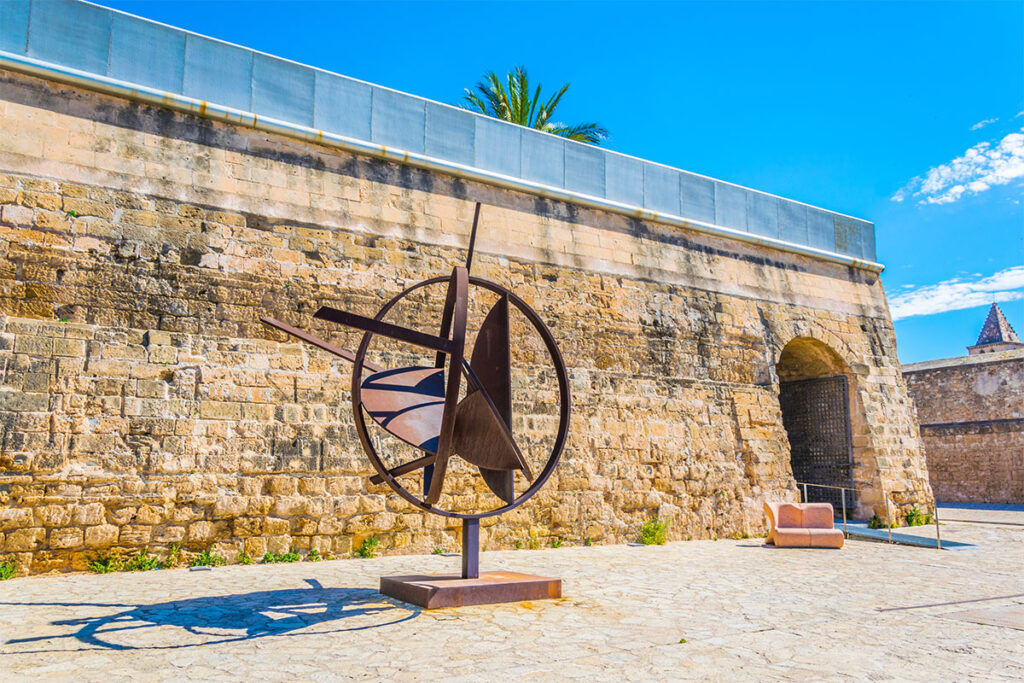
In the footsteps of Joan Miró
The artist Joan Miró lived and worked in Palma from 1956 until his death in 1983. His studios in Cala Major, a few kilometres west of the centre, are now the Fundació Pilar i Joan Miró. You can see the bright workshop designed by the architect Josep Lluís Sert, where his brushes and unfinished canvases remain just as he left them, and a modern gallery with his paintings and sculptures. It’s a quiet, inspiring visit and an easy bus ride from the city centre.
Eat your way through the food markets and tapas bars
Food is one of the main reasons to visit Palma. Local cooking is simple and relies on good produce: olive oil, almonds, pork, fish and vegetables from the island. Try pa amb oli (bread rubbed with tomato and olive oil, served with cheese or ham), tumbet (a Mallorcan vegetable bake), sobrassada sausage and, of course, a Spanish omelette in any tapas bar.
Mercat de l’Olivar and Mercat de Santa Catalina
Mercat de l’Olivar is the city centre’s main food market. Go there in the morning to see the fish counters and fruit stalls, then sit at one of the bars inside for fresh oysters or a plate of jamón. On the other side of town, Mercat de Santa Catalina is the oldest food market in Palma. It’s smaller and more local, and its stalls serve some of the best breakfasts in town.
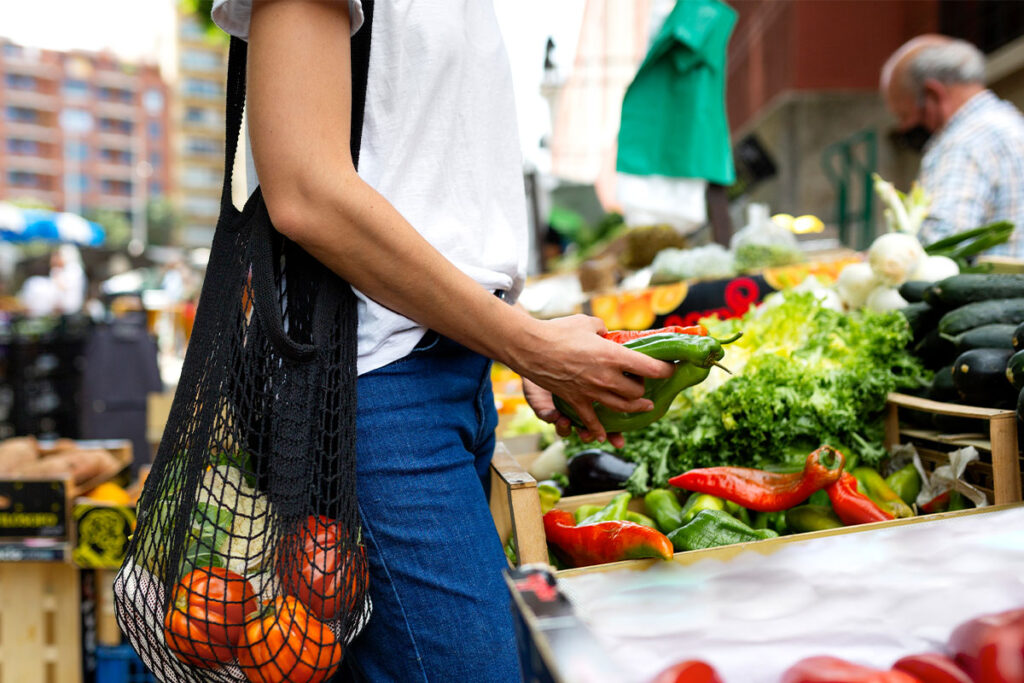
Santa Catalina and tapas bars
Santa Catalina was once a fishermen’s quarter. Today it is the trendiest neighbourhood in Palma, packed with tapas bars, wine bars and international restaurants. In the evening the streets around the market fill with people, so it’s a great place to hop from one spot to the next, trying a dish or two in each. If you’d like someone to choose for you, a tapas and wine tour is a fun way to taste the local specialities, with some wine tasting along the way.
Ensaïmada and other sweet treats
No visit to Palma is complete without an ensaïmada, a spiral pastry made with lard and dusted with icing sugar. You can buy it plain or filled with pumpkin jam, cream or chocolate. The bakeries of the old town sell them in all sizes, including large ones packed in octagonal boxes, which make a classic souvenir to take home. Pair yours with a cup of thick hot chocolate on a winter morning.
Go shopping on Avenida Jaime III
Avenida Jaime III is the main shopping street of Palma, with wide arcades, international brands and Spanish fashion chains. The streets around Passeig del Born and Carrer de Sant Miquel are full of small independent shops selling leather goods, espadrilles and ceramics. For something unique, try the artisan shops of the old town, which sell handmade lamps, glass and traditional fabrics called roba de llengües.
Mallorca is also known for its man-made pearls, produced on the island since the early 20th century. You’ll find them in many jewellery shops in the centre. For local food souvenirs, such as olive oil, almonds, sobrassada and herb liqueur, head back to the markets.
Grab a drink at a rooftop bar
Palma loves a rooftop bar. Several boutique hotels in the old town open their terraces to non-guests, and some have a small rooftop pool next to the bar. Order a glass of cava or a local gin and watch the sun set behind the cathedral and the bay. The most popular terraces fill up fast in the evening, so arrive early or book ahead if you can.
Take a boat trip on Palma Bay
Palma looks quite different from the water. A boat trip lets you admire the cathedral, Bellver Castle and the coastline from a distance, and most cruises stop in a quiet bay for a swim or a bit of snorkelling. You can choose between a short city cruise around the port, a catamaran trip with lunch or a sailing trip at sunset with drinks on board.
Sunset sailing is especially popular on summer evenings, when the heat eases and the sky turns orange over the Tramuntana mountains. Boats leave from the marina along the Paseo Marítimo, a short walk from the old town. In high season it’s best to book a few days in advance, and remember to check the cancellation policy before you pay.
Relax on the beaches near the city centre
Palma has beaches within walking distance of the old town, so you can easily combine sightseeing with a swim. Can Pere Antoni is the closest one, a short walk east of Parc de la Mar, with golden sand and views of the cathedral. It’s busy in summer, but it’s perfect for a quick dip after a morning in the city.
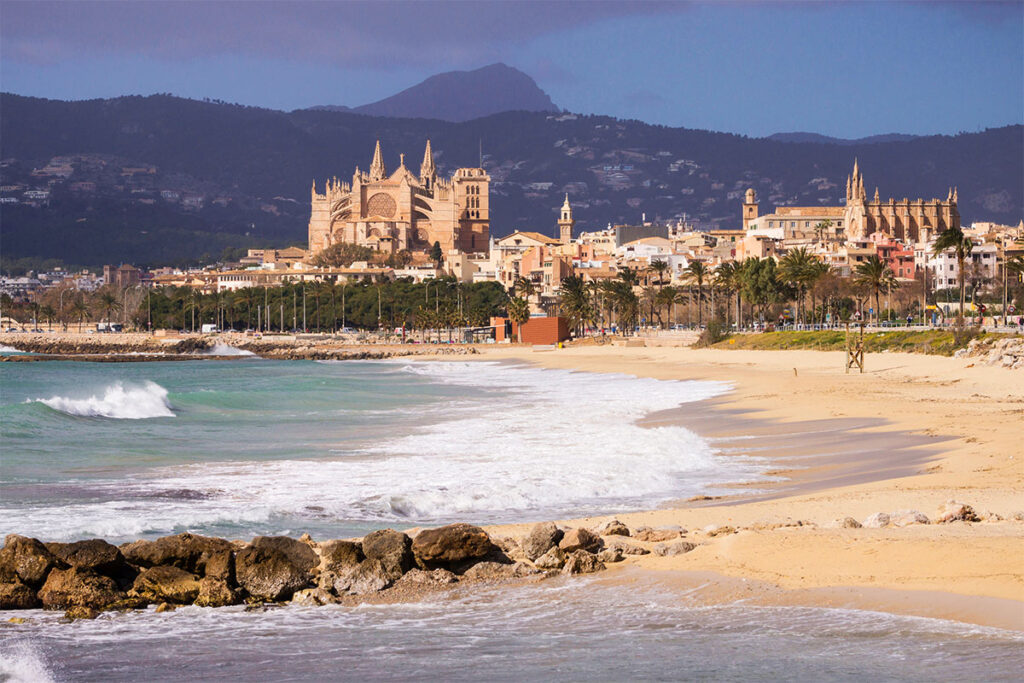
Head west and you’ll reach Cala Major, a small sandy bay surrounded by hotels, and the coves of Illetes with clear turquoise water. To the east, Ciutat Jardí is popular with local families, while Playa de Palma stretches for several kilometres towards S’Arenal, with sunbeds, water sports and beach bars. Most beaches have lifeguards in summer, but always check the flag before swimming.
Palma Aquarium and other days out with kids
If it rains, or if you’re travelling with children, Palma Aquarium is a great choice. It sits near Playa de Palma and has one of Europe’s deepest shark tanks, the Big Blue, as well as a jungle area and Mediterranean gardens. You’ll need about three hours to see everything.
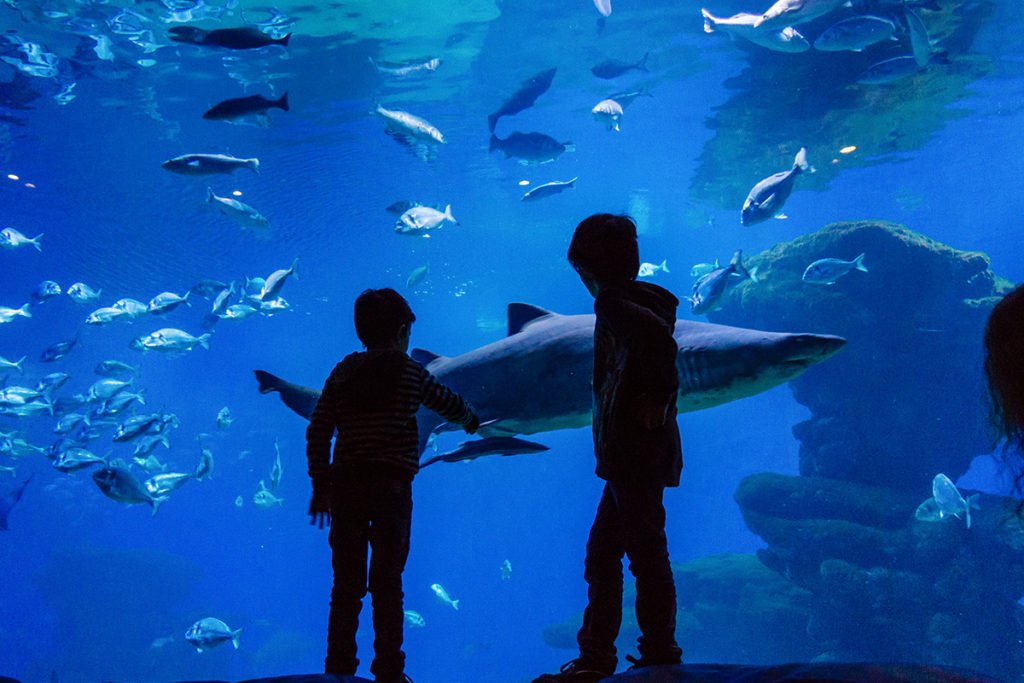
Families can also spend a day at Marineland in Costa d’en Blanes, west of Palma, or cool down at Aqualand El Arenal, one of the largest water parks on the island. Both are easy to reach by bus or by car from the city centre.
Day trips from Palma
Palma is the perfect starting point for day trips around the island, and you don’t need a car for most of them. Here are the classic ones.
The vintage train to Sóller
The Sóller railway has been running since 1912 and its wooden carriages are still the most charming way to cross the mountains. The antique train leaves from Plaça d’Espanya in Palma and climbs through olive groves and tunnels to the town of Sóller in about an hour. From there a vintage tram takes you down to Port de Sóller, a pretty harbour surrounded by mountains. Many tours combine the train and tram with a boat trip along the coast.
Valldemossa and the Serra de Tramuntana
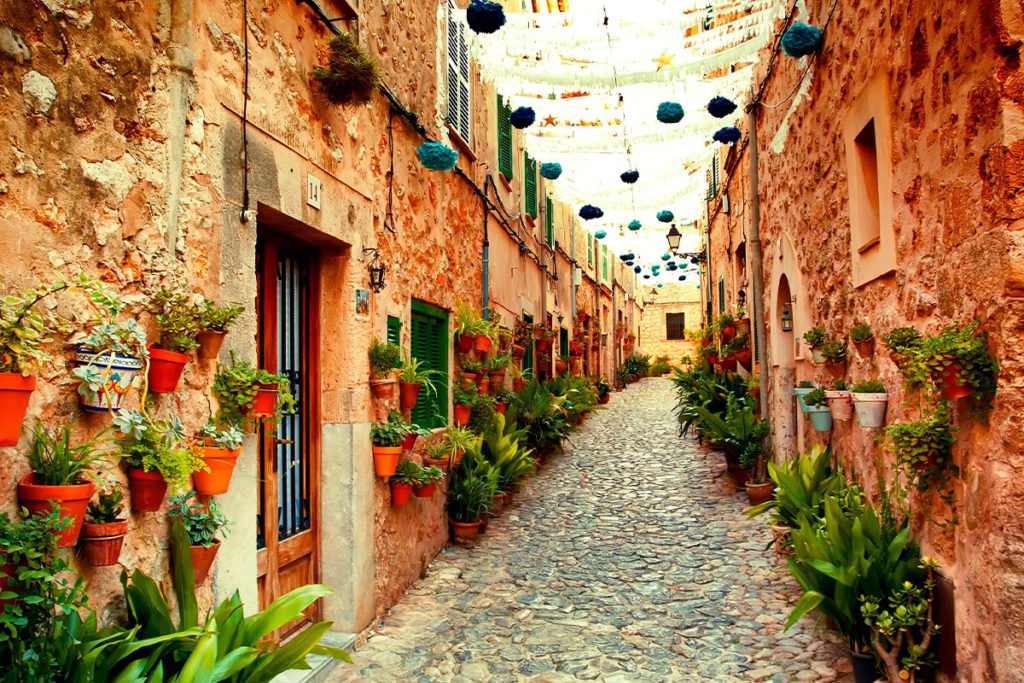
Valldemossa is a mountain village about half an hour from Palma by car or bus. It is famous for the Carthusian monastery where Frédéric Chopin and George Sand spent the winter of 1838-1839, and for its stone streets full of flowerpots. The village is also the gateway to the Serra de Tramuntana, a mountain range on the UNESCO World Heritage List, with hiking trails, viewpoints and villages such as Deià.
Caves of Drach and the east coast
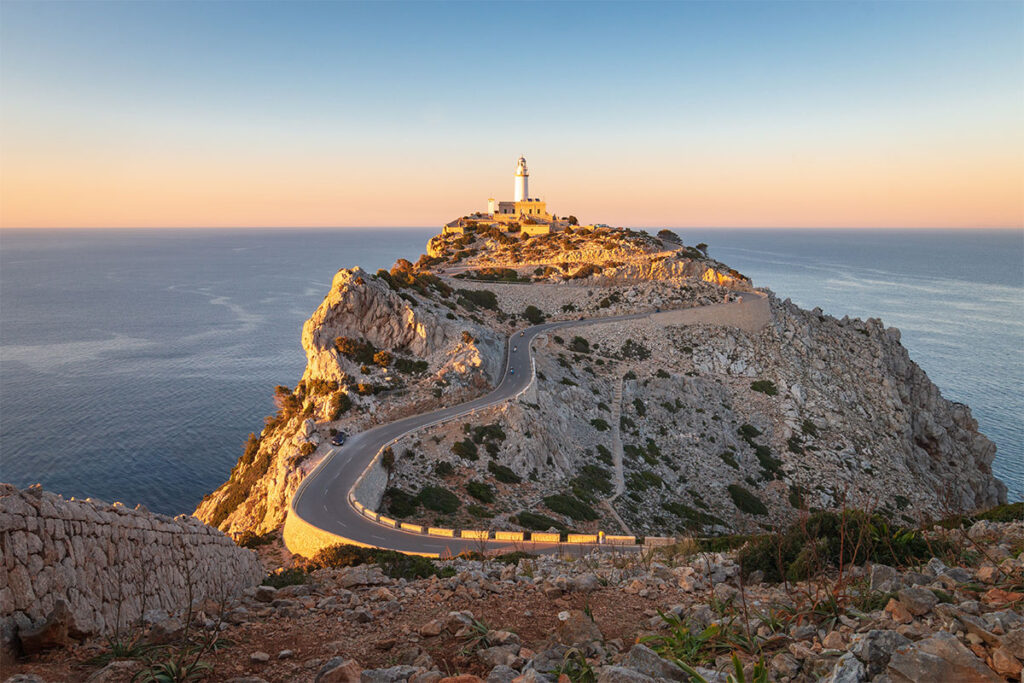
On the east coast, near Porto Cristo, you’ll find the Caves of Drach, with an underground lake where you can listen to a short classical music concert and take a boat ride. The trip takes most of a day, so it’s easier with an organised tour from Palma. If you have more time, the north of the island is also worth a visit, with the medieval walls of Alcúdia and the cliffs of Cap de Formentor.
How many days do you need for a city break in Palma?
One day is enough to see the main attractions, but two or three days let you enjoy the city at a slower pace. That’s why Palma is such a popular European city break for a long weekend.
If you only have one day, start at the cathedral and La Almudaina, then wander through the old town, stop at the Arab Baths and have lunch at Mercat de l’Olivar. In the afternoon walk along the seafront, go up to Bellver Castle for the view and finish with tapas in Santa Catalina.
With two days, you can add Es Baluard, a boat trip or an afternoon at the beach, and a rooftop bar at sunset. With three days, take the train to Sóller or visit Valldemossa and the mountains. If you’re spending a week on the island, Palma makes a comfortable base for mixing city sightseeing with day trips and beach time.
Getting there and getting around
Palma Airport (Son Sant Joan) is one of Spain’s busiest and lies about 8 km east of the city centre. There are direct flights from all over Europe. The A1 airport bus runs to the city centre and the port every 15 to 20 minutes and the journey takes about 30 minutes. A taxi or a private transfer is faster, especially if you have a lot of luggage.
Exploring Palma’s historic centre is easiest on foot. For longer distances, the red EMT buses cover the whole city, including the beaches and Bellver Castle, and the city has a public bike-sharing system. If you’d like to explore the island on your own, car hire is the most flexible option. Keep in mind that parking in the old town is difficult, so choose a hotel with a car park or leave the car at a public car park on the edge of the centre.
Palma also has a busy passenger port. Ferry services connect the city with Barcelona and Valencia on the mainland and with Ibiza and Menorca, so you can easily combine Mallorca with another Spanish island.
When is the best time to visit Palma de Mallorca?
The best time to visit Palma is spring and autumn. From April to June and in September and October, average highs reach a pleasant 20-27°C, the sea is warm enough for swimming from late May, and the streets are calmer than in high season. July and August are the hottest months, with highs of around 31°C, plenty of cruise ships and higher hotel prices.
Winter is mild, with daytime temperatures of about 15°C, and it’s a great time for a quiet city break focused on museums, food and walks. September and October are the rainiest months, although the rain usually comes in short, heavy showers. Don’t miss Nit de l’Art in September, when galleries stay open late, or the Festa de Sant Sebastià in January, the patron saint’s festival, with bonfires and concerts.
Good to know before you go
Is Palma de Mallorca expensive? It’s not the cheapest city in Spain, especially in summer, but you can eat well without spending a fortune if you choose the markets, set lunch menus (menú del día) and neighbourhood tapas bars over restaurants on the seafront. Accommodation prices rise sharply in July and August, so book your hotel well in advance.
See available hotels in Palma de Mallorca
Do they speak English in Palma? Yes. In hotels, restaurants and shops in the centre you’ll get by in English with no problem. The local languages are Spanish and Catalan (the Mallorcan variety is called mallorquí), so street names and signs are often in Catalan. A simple “hola” (hi) and “gràcies” (thank you) always go down well.
Many shops in the old town close for a few hours in the afternoon, and some museums close on Mondays. Dress respectfully when visiting the cathedral and churches, and cover your shoulders. And don’t forget travel insurance, especially if you’re planning water sports or mountain hikes.
Hotels in Palma de Mallorca
For a first visit, stay in central Palma, in or near the old town. You’ll be within walking distance of the cathedral, the markets and the seafront, and you won’t need any transport in the evening. Here are three hotels for different budgets.
💰 Hotel Bosch Boutique
An intimate hotel in a landmark building in the heart of the old town, just two minutes’ walk from Passeig del Born. The rooms and suites are bright and modern, and some have balconies overlooking the square below. There’s a restaurant on site and the cathedral, Es Baluard and the shopping streets are all a short stroll away. It’s a good choice if you’d like a central base with character at a sensible price.
🏨 Hotel Almudaina
A four-star hotel on Avenida Jaime III, the main shopping avenue, about 500 metres from the cathedral and Es Baluard. The rooms are comfortable and quiet, and the shops, cafés and tapas bars of the centre start right outside the door. Breakfast is served every morning, and the seafront is less than ten minutes away on foot. It suits travellers who want a practical, well-located hotel for a city break.
💎 Can Bordoy Grand House & Garden
A luxury boutique hotel in a restored 16th-century mansion in the old town, close to La Llotja and the seafront. It has one of the largest private gardens in the centre of Palma, a heated pool, a spa and a rooftop terrace with views of the cathedral. The suites mix antique details with contemporary design. It’s perfect for a romantic getaway or a special occasion in the city.

