Twenty minutes after landing, you can be sipping sweet wine straight from the barrel in a bar that has been pouring it since 1840.
Malaga is the capital of the Costa del Sol and one of the most rewarding city breaks in southern Spain. For years most visitors only saw it from the airport shuttle on the way to the resorts. Today the city of Málaga is a destination in its own right, with world class museums, a compact historic centre and a city beach a short walk from the cathedral. In this article you’ll find the best things to do in Malaga, from the Alcazaba and the Picasso Museum to tapas bars, day trips and a simple plan for two or three days.
💰 Hotel Larios Málaga - Four-star Art Deco hotel on Calle Larios with a rooftop terrace bar.
🏨 Palacio Solecio, a Small Luxury Hotel of the World - Restored 18th-century palace a short walk from the Picasso Museum.
💎 Gran Hotel Miramar GL - Five-star seafront palace next to La Malagueta beach, with a pool and spa.
Why visit Malaga?
Malaga is an ancient city with around 3,000 years of history. The Phoenicians founded it in the 8th century BC, the Romans built a theatre here, and the Moors left a fortress that still watches over the port. Add some 300 days of sunshine a year, a lively atmosphere in the streets until late and great food, and it’s easy to see why so many people now come for the city itself, not just the beaches of Andalusia.

What is Malaga best known for? Ask locals and you’ll hear three answers: Picasso (born here in 1881), the Alcazaba and the food. The city is also surprisingly easy to get around. Almost every sight in this article sits within a 15-minute walk of Plaza de la Constitución, so you can explore Malaga on foot and save public transport for the airport and day trips.
And is Malaga full of British tourists? The resorts along the coast certainly are, but the city centre feels much more Spanish, especially away from Calle Larios and the port. It’s also cheaper than Barcelona or Madrid, and eating out is good value, particularly if you stick to tapas.
Things to do in Malaga’s historic centre
The historic quarter is where most first-time visitors spend their time. Narrow lanes, marble pavements and small squares connect the Roman ruins, the Moorish fortress and the cathedral, so you can see the big three in one morning.
Alcazaba
The Alcazaba is the place to start your visit. This Moorish palace-fortress was built mostly in the 11th century on the slopes of Gibralfaro hill, partly with stones and columns taken from the Roman site below. You climb through a series of horseshoe arches and defensive gates before reaching the inner palace, with its patios, fountains and orange trees.
It’s a smaller, quieter cousin of the Alhambra, and many visitors find it more relaxing. Go early in the morning or late in the afternoon, when the light softens and the views over the port are at their best. If you want to understand what you’re looking at, a guided tour that combines the Alcazaba with the Roman Theatre is a good investment of 90 minutes.
Gibralfaro Castle
Above the Alcazaba stands Gibralfaro Castle, built in the 14th century by Yusuf I, the Nasrid ruler of Granada. Its name combines the Arabic “jabal” (mountain) and the Greek “pharos” (lighthouse), a reminder of the Phoenician beacon that once stood here. In 1487 the castle held out for months against the Catholic Monarchs before the city finally fell.

Today you can walk along the ramparts (a combined ticket also covers the Alcazaba) and enjoy the best panorama of Malaga, from the bullring and the port to La Malagueta beach. The path from the Alcazaba is steep and gets little shade, so in summer take bus 35 up and walk down. Don’t miss the Mirador de Gibralfaro just below the walls at golden hour, when the whole city turns orange.
Roman Theatre
At the foot of the Alcazaba lies the Roman Theatre, built in the 1st century BC during the reign of Augustus. It was buried and forgotten for centuries and only rediscovered in 1951, when workers were building a cultural centre on the site. That building was later demolished so the ruins could be fully excavated.
The theatre is free to visit, and a small interpretation centre explains how it worked. In the evening the stone seats are lit up, and the terrace bars across the street fill with people. It’s one of the most atmospheric corners of the city, where Roman ruins and Moorish walls stand side by side.
Málaga Cathedral
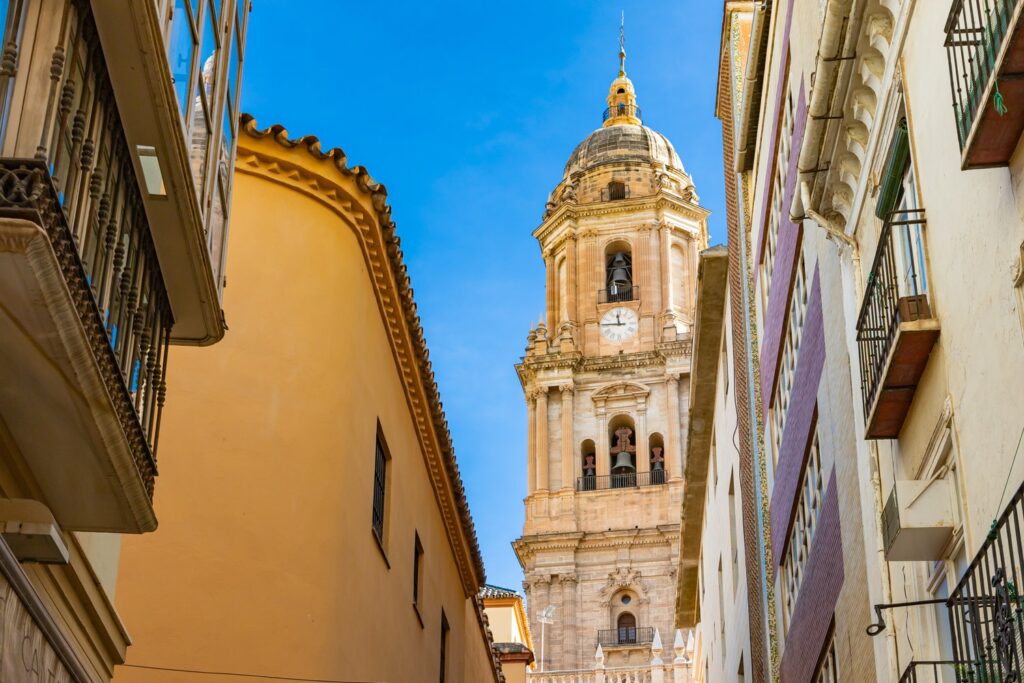
Málaga Cathedral has a nickname that every local knows: La Manquita, or the “one-armed lady”. Construction began in 1528 and stopped in 1782, leaving the south tower unfinished. Legend has it that the money went to support the American War of Independence, although historians are not so sure.
Inside you’ll find a mix of Gothic, Renaissance and Baroque styles, a beautiful carved choir and huge organs. The highlight for many is the rooftop tour, which takes you onto the vaulted roof for views across the old town. Book the rooftop visit ahead in high season, as group sizes are small.
Calle Larios and Plaza de la Constitución
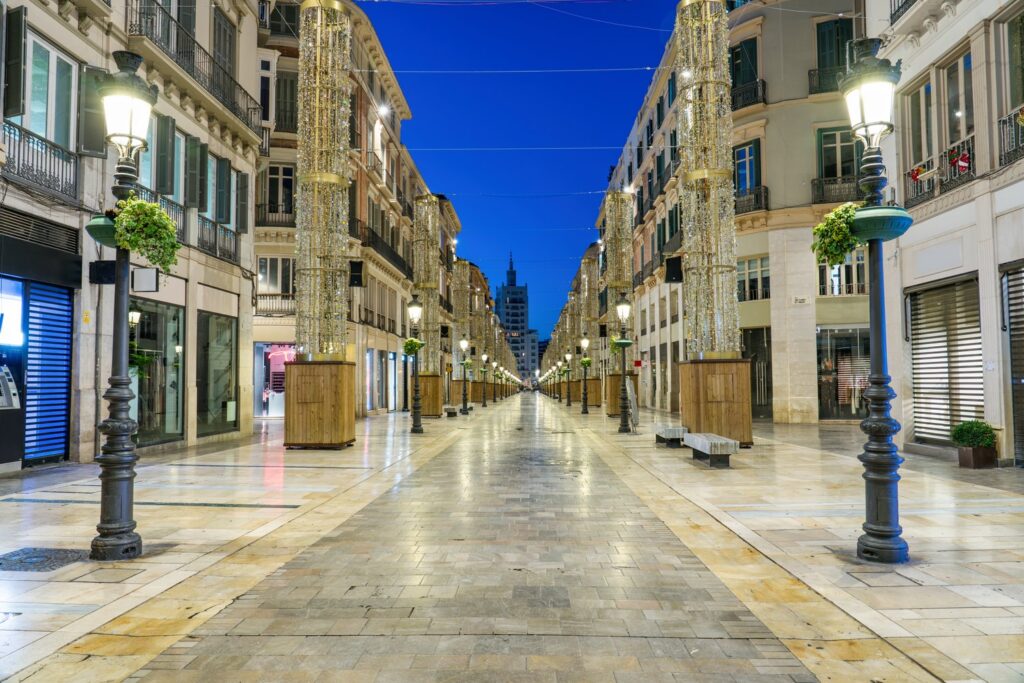
Calle Larios is Malaga’s main shopping street and the city’s living room. It opened in 1891, and its polished marble pavement and elegant facades make it look more like a hotel lobby than a street. At Christmas, it hosts one of the most famous light shows in Spain.

The street ends at Plaza de la Constitución, the heart of the city centre since Moorish times. This is where processions pass during Easter week and where locals meet before dinner. From here, the lanes of the historic centre lead in every direction, so it’s an ideal starting point for a walking tour.
Plaza de la Merced
A few minutes north, Plaza de la Merced is a big, leafy square surrounded by cafés. Pablo Picasso was born in a house on this square, and the Casa Natal now holds a small museum with family photos, sketches and personal items. A bronze Picasso sits on a bench in the square, and it’s hard to find a moment when nobody is taking a selfie with him.
Malaga’s museums
Malaga has reinvented itself as a city of museums, with more than 30 of them. You don’t need to see them all, but these are the ones worth your time.
Picasso Museum
The Picasso Museum occupies the 16th-century Palacio de Buenavista, a short walk from the cathedral. It opened in 2003 and holds more than 200 works donated by the artist’s family, covering his whole career, from early academic portraits to his late, playful ceramics. During restoration work, archaeologists found Phoenician walls in the basement, which you can see on your visit.

The museum gets busy around midday, so arrive at opening time or late in the afternoon. An audio guide helps a lot if you’re not a Picasso expert.
Carmen Thyssen Museum
The Carmen Thyssen Museum (Museo Carmen Thyssen) is a great counterpoint to Picasso. Set in the elegant Palacio de Villalón, it focuses on 19th-century Spanish painting, especially Andalusian scenes of bullfighters, flamenco dancers and village life. It’s a manageable museum that you can see in an hour or so, and many visitors rate it as their favourite in the city.
Malaga Museum
The Malaga Museum fills the grand Palacio de la Aduana, the old customs house next to the Alcazaba. It’s the largest museum in Andalusia and combines a fine arts collection with thousands of archaeological objects, from Phoenician pottery to Roman sculptures. The building itself, with its huge patio, is worth a look.
Centre Pompidou and the Contemporary Art Centre
Down at the port you’ll spot a multicoloured glass cube. It marks the Centre Pompidou Málaga, a branch of the Paris museum that opened in 2015 and will stay in the city at least until 2034. Its rotating exhibitions focus on modern and contemporary art.

For more contemporary art, head to the Contemporary Art Centre (CAC Málaga) by the river. It’s set in a former wholesale market and has free entry. Several other museums offer free admission at certain times, often on Sunday afternoons, so check the current times before you plan your day around them.
Street art in the Soho district
Between the river and the port lies Soho, once a run-down area and now Malaga’s arts district. Since 2013, international and local artists have covered its walls with giant murals, including works by Shepard Fairey (Obey) and D*Face. It’s one of the best places for street art in Spain.

Wander the streets around Calle Tomás Heredia and Calle Casas de Campos, and stop for coffee in one of the independent cafés. On some weekends the Made in Soho market sells local crafts and design.
Where to eat and drink in Malaga
Food is one of the main reasons to visit Malaga. The local cuisine is simple, fresh and based on fish, olive oil and almonds, and you can taste a lot of it in a single evening of tapas.
Atarazanas Market
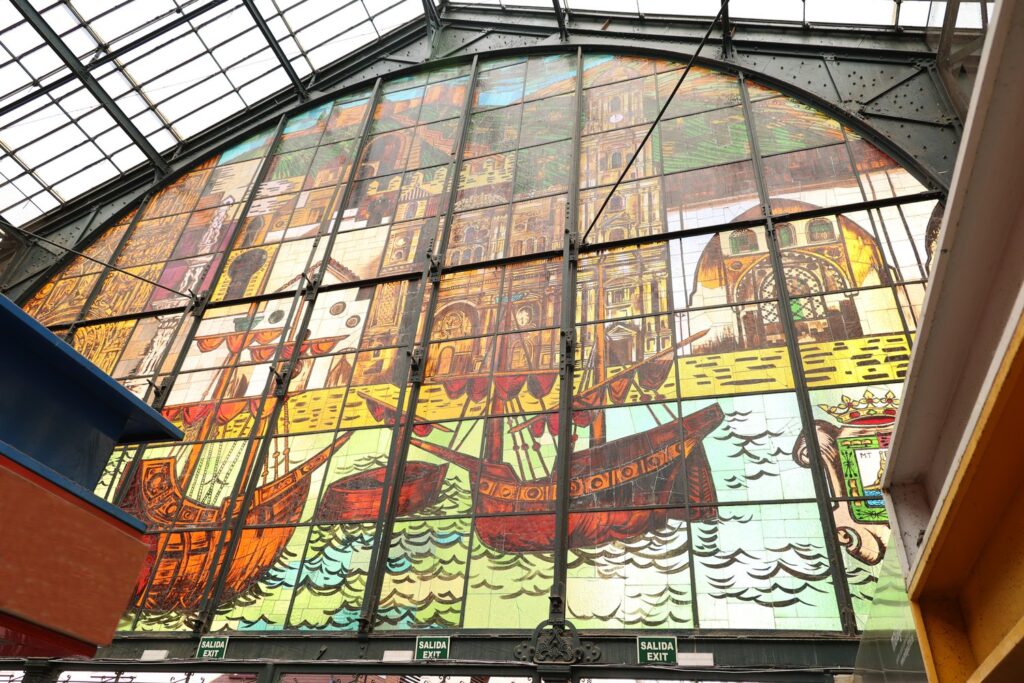
The Atarazanas Market stands on the site of a Nasrid shipyard. Its 14th-century horseshoe arch now serves as the entrance to a 19th-century iron-and-glass hall with a huge stained-glass window. Inside, stalls sell fresh fish, olives, cured ham and fruit, and a few small bars cook seafood to order. Come in the late morning, when the market is at its busiest.
Tapas bars and local dishes
Two tapas bars belong on every itinerary. El Pimpi, near the Roman Theatre, is a maze of rooms with barrels signed by famous guests, and its terrace has a view of the Alcazaba. Antigua Casa de Guardia on the Alameda Principal has been serving Malaga’s sweet wine since 1840. The staff still chalk your bill on the wooden counter.
When it comes to dishes, try espetos (sardines grilled on skewers over an open fire on the beach), fritura malagueña (mixed fried fish) and ajoblanco, a cold soup of garlic and almonds. Porra antequerana is a thicker version of gazpacho, perfect on a hot day. Patatas bravas and churros with hot chocolate are on the menu everywhere, too. If you’d rather not guess what to order, a guided wine and tapas tour takes you to bars you might never find alone.
The port, parks and beaches
One of the nicest things to do in Malaga is simply to walk from the historic centre to the sea. Within 20 minutes you go from cathedral bells to beach bars.
Muelle Uno and La Farola
Muelle Uno is the modern waterfront promenade that opened in 2011. Lined with palm trees, shops and restaurants, it leads past the Centre Pompidou to La Farola, the city’s lighthouse from 1817. It’s a lovely place for an evening stroll, and several boat trips leave from here, including catamaran tours with sunset options.
Paseo del Parque and Parque de Málaga
Running parallel to the port, the Paseo del Parque and the Parque de Málaga form a green corridor of around 30,000 square metres. Exotic trees, fountains and shady benches make it the best place to cool down after sightseeing. If you love plants, the La Concepción Botanical Garden on the northern edge of the city has over 2,000 species.

Malagueta beach and Pedregalejo
Malagueta beach, also called La Malagueta, starts just past the bullring, so you can go from a museum to the sea in minutes. It’s a city beach with dark sand, sunbeds and chiringuitos (beach bars). For a more local feel, walk or take a bus east to Pedregalejo, a former fishing quarter where the restaurants grill espetos in small boats filled with sand.

Flamenco and Malaga after dark
Malaga’s nightlife peaks at the weekend, when the squares around Plaza de la Merced and the old town fill with people until late. Start with a drink at one of the rooftop bars above the historic centre, many of which have views of the cathedral and the Alcazaba.
No trip to Andalusia is complete without a flamenco show. Malaga has several small venues where the guitar, singing and dancing happen a few metres from your seat, which makes the experience far more intense than in a large theatre. Shows usually last about an hour, and many venues serve drinks or dinner.
Festivals in Malaga
Easter week (Semana Santa) is the most impressive time to be in the city. Brotherhoods carry enormous floats called tronos through the streets, followed by bands and thousands of spectators. It offers a powerful insight into local culture, even if you’re not religious.

In mid-August, the Feria de Agosto turns Malaga into one big party. It commemorates the city’s conquest by the Catholic Monarchs in 1487 and combines daytime celebrations in the city centre with a night-time fairground on the outskirts. Book your accommodation well in advance for both Easter and the August fair, as hotels fill up months ahead.
See available accommodation in Malaga
Day trips from Malaga
Malaga is a great base for exploring Andalusia. You can reach mountains, white villages and other famous cities in one to two hours. Most destinations are easy to reach by train or bus, but a hire car gives you more freedom for the villages.
Caminito del Rey
The Caminito del Rey is the most popular day trip from Malaga. This walkway, built in the early 20th century, clings to the walls of the Desfiladero de los Gaitanes gorge, high above the river. It reopened in 2015 after a full restoration. The whole route is about 7.7 km.

The Caminito del Rey is about an hour’s drive from the city, and the number of daily visitors is limited. Book your slot or guided tour well ahead, especially in spring and autumn.
Ronda and Setenil de las Bodegas
Ronda sits on top of a cliff, split in two by the deep El Tajo gorge. Its famous bridge, the Puente Nuevo, is one of the most photographed sights in southern Spain. Many tours combine Ronda with Setenil de las Bodegas, a white village whose houses are built right under huge rock overhangs.
Nerja, Frigiliana and the Caves of Nerja
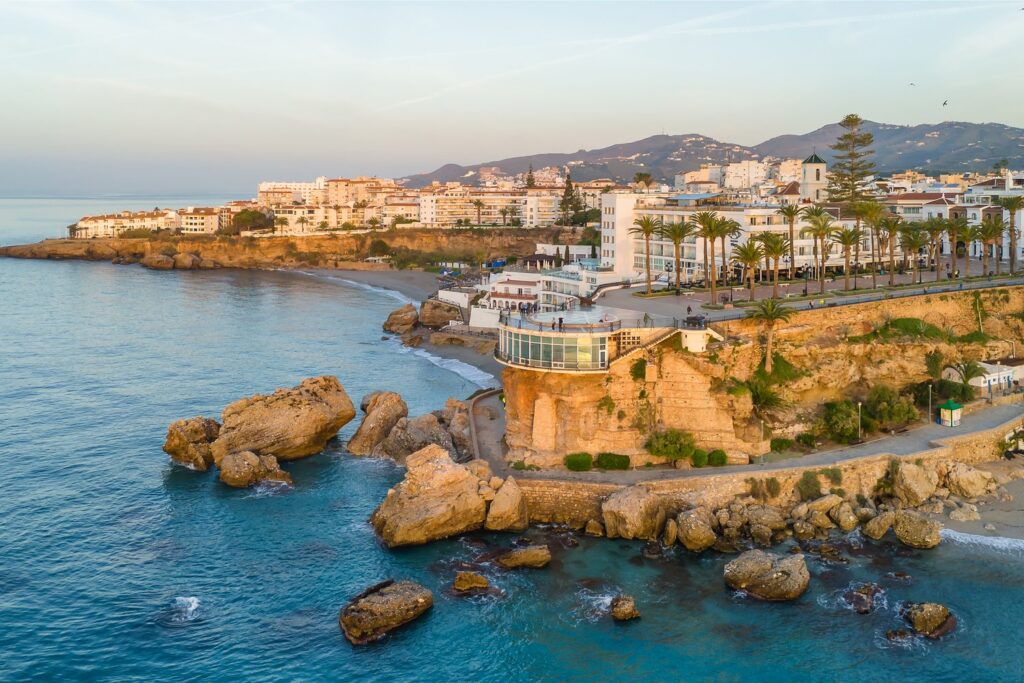
Head east along the coast to Nerja, about an hour away. Walk to the Balcón de Europa viewpoint, swim in a small cove and then visit the Caves of Nerja, a cave system nearly five kilometres long. The nearby village of Frigiliana with its whitewashed houses and steep lanes, makes a good lunch stop.
Granada, Córdoba and Seville
The three great cities of Andalusia are all within reach for a long day trip. Granada and the Alhambra are around 1.5 hours away by car, and Alhambra tickets sell out weeks in advance. High-speed trains reach Córdoba in about an hour and Seville in about two, so you can easily see the Mosque-Cathedral of Córdoba or the Royal Alcázar of Seville and be back for dinner. Train tickets are easy to compare and book on Omio.
Coastal towns of the Costa del Sol
Closer to the city, the coastal towns of the Costa del Sol make easy half-day trips. In Benalmádena you can ride the Benalmádena cable car up to Mount Calamorro. Above Fuengirola, the white village of Mijas has fine views of the sea. Marbella and Gibraltar are popular full-day tours too.

How many days do you need in Malaga?
Is 2 days in Malaga enough? For the city itself, yes. Two full days let you see the main sights without rushing, and a third day gives you time for a day trip or a slow morning on the beach.
Day 1 - Moors, Romans and Picasso
Start at the Alcazaba as soon as it opens, then walk up to Gibralfaro Castle for the views. Come down to the Roman Theatre, have lunch at El Pimpi and spend the afternoon at the Picasso Museum. In the evening, stroll along Calle Larios to Plaza de la Constitución and finish with tapas in the old town.
Day 2 - Cathedral, market and the sea
Visit La Manquita and its rooftop in the morning, then head to Atarazanas Market for a seafood lunch. In the afternoon, explore Soho’s street art, walk along Muelle Uno to La Farola and continue to Malagueta beach. End the day with a flamenco show or a drink at a rooftop bar.
Day 3 - A day trip
Use your third day for the Caminito del Rey, Ronda or Nerja. If you’d rather stay in the city, spend the morning at the Carmen Thyssen Museum and the Malaga Museum, then take the bus to Pedregalejo for espetos by the sea.
When is the best time to visit Malaga?
The best time to visit Malaga is spring (April to early June) and autumn (September and October). Temperatures are pleasant for sightseeing, usually between 20°C and 28°C, and the sea is warm enough for a swim from June to October. Spring also brings Easter week, one of the highlights of the year.
Summer is hot and busy. Temperatures are usually above 30°C, and when the dry terral wind blows from inland, they can climb past 40°C. If you visit in July or August, sightsee in the morning, rest in the afternoon and go out after dark like the locals. January is the coldest month, but daytime highs are still around 17°C, which makes Malaga one of the warmest winter city breaks in Europe.
How to get to Malaga and get around
Málaga-Costa del Sol international airport is only 8 km from the city centre and has direct flights from most UK and Irish airports. The C1 commuter train takes about 12 minutes to the Málaga Centro-Alameda station, and the express airport bus stops near the port and the bus station.
High-speed trains from Madrid arrive at María Zambrano train station in under three hours, and the main bus station is right next door. Once in the city, you won’t need much public transport, as the historic centre is compact and largely pedestrianised. A car is only worth it for day trips, and parking in the old town is limited and expensive.
Is Malaga worth visiting?
Absolutely. Malaga combines Spanish history, art and beach life better than almost anywhere else on the coast. In one weekend you can climb a Moorish fortress, stand in front of Picasso’s paintings, eat sardines on the sand and still have time for a day trip into the mountains. If you’re making a list of things to do in Malaga, start with the Alcazaba and the Picasso Museum, then let the city’s tapas bars and squares do the rest.
Hotels in Malaga
Malaga’s historic centre is the best base for a city break, as you can walk to almost every sight. Here are three hotels with different characters, all right in the centre or by the beach.
💰 Hotel Larios Málaga
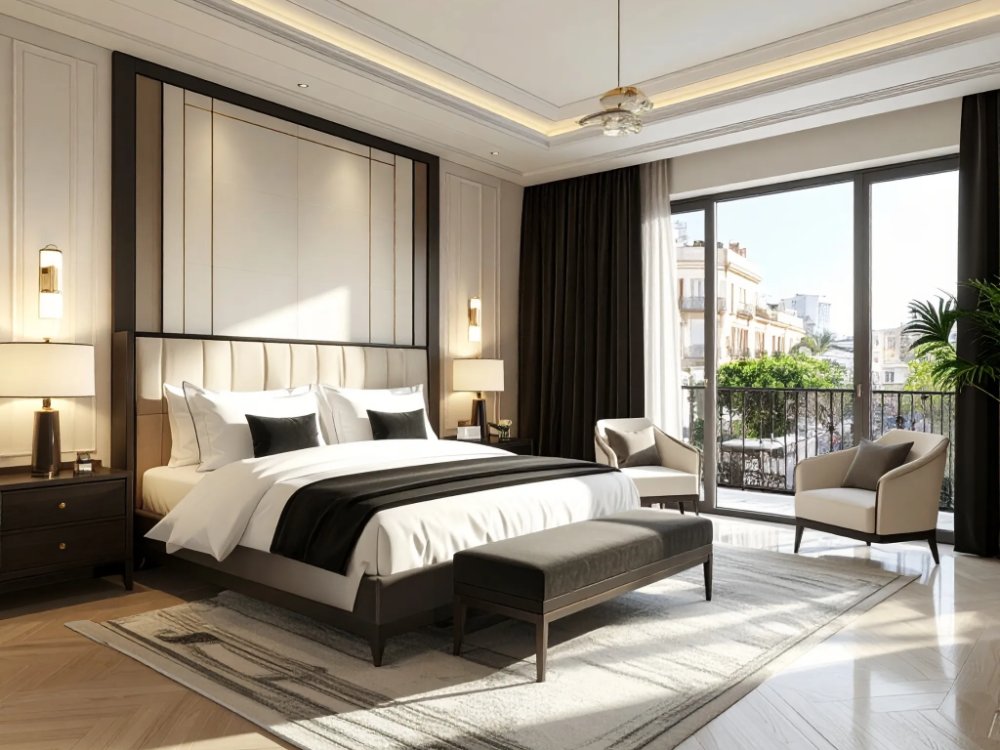
A four-star Art Deco hotel on Calle Larios, a few steps from Plaza de la Constitución, the cathedral and the Picasso Museum. Rooms are comfortable and modern, many with balconies over the city’s most elegant street. The rooftop terrace bar has views across the old town and the cathedral. It’s a great choice if you want to be in the middle of everything and do all your sightseeing on foot.
🏨 Palacio Solecio
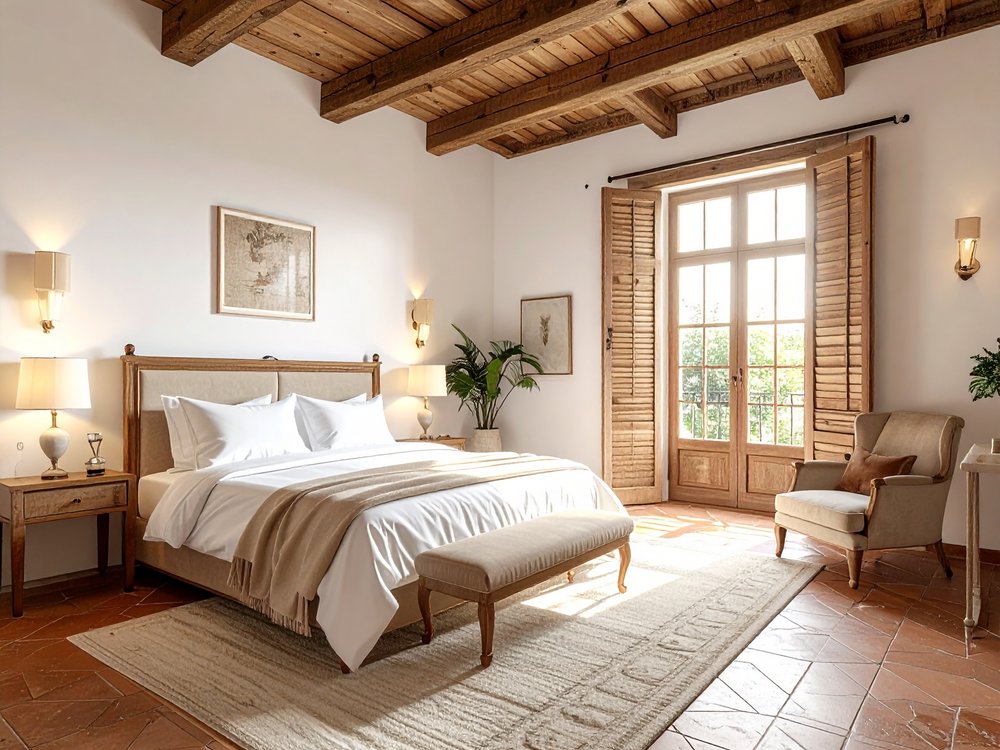
A member of Small Luxury Hotels of the World, this beautifully restored 18th-century palace sits in the historic centre, just a short walk from the Picasso Museum. Rooms combine original stone and wooden beams with contemporary design, and the courtyard is a peaceful place to rest after a day in the city. The hotel’s restaurant is one of the best in Malaga. It’s ideal for couples who want character and a romantic atmosphere.
💎 Gran Hotel Miramar GL
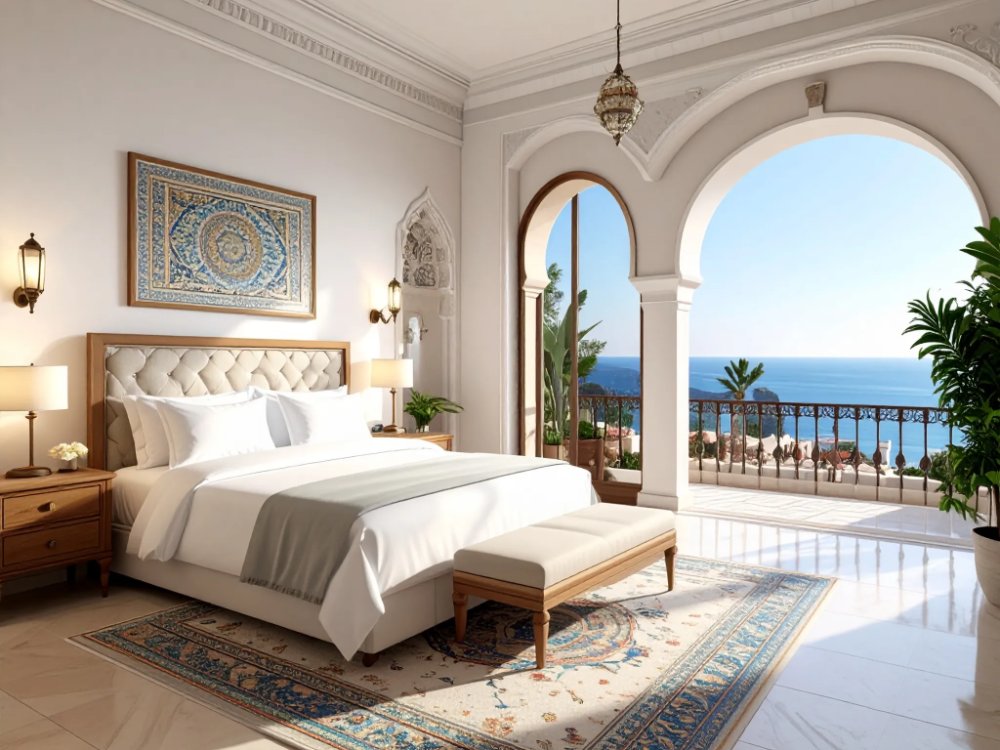
A five-star palace hotel from the 1920s on the seafront, right next to La Malagueta beach and about 15 minutes’ walk from the cathedral. It has Moorish-style patios, an outdoor pool facing the sea, a spa and elegant rooms, many with sea views. It’s the most prestigious address in the city and the perfect choice for a special occasion or a relaxing beach-and-city break.

