A ring-tailed lemur drops from a branch onto the path, a metre from your shoes. There’s no fence, no glass, just a keeper smiling at your reaction.
Bioparc Valencia is a new-generation zoo at the western end of the old Turia riverbed, where around a thousand animals from 150 different African species live without cages. Instead of bars, the park uses rivers, ponds, rocks and almost invisible barriers to separate visitors from the animals. The result feels more like a walk through Africa than a day at a traditional zoo. It’s a great day out for families with children and for any adult who loves wildlife. In this article, you’ll find what to see in each habitat, how long you need, how to get there from the centre of Valencia and how to make the most of your ticket.
💰 Hotel Beleret - Good-value rooms in Benimàmet, near the trade fair grounds and a metro station.
🏨 Meliá Valencia - A 4-star tower next to the Conference Centre, a short drive from the park.
💎 Caro Hotel - A 5-star boutique palace in the old town, by the Turia Gardens.
What is Bioparc Valencia?
Bioparc Valencia opened on 27 February 2008 and replaced the city’s old zoo in the Viveros gardens. Most of the animals moved to the new Bioparc facilities in Valencia’s Turia riverbed, inside Parque de Cabecera. The land belongs to the city council, while the park was designed and is still managed by Rain Forest, a private Spanish company that runs zoos built on the same idea. Its sister park, Bioparc Fuengirola, sits on the Costa del Sol.
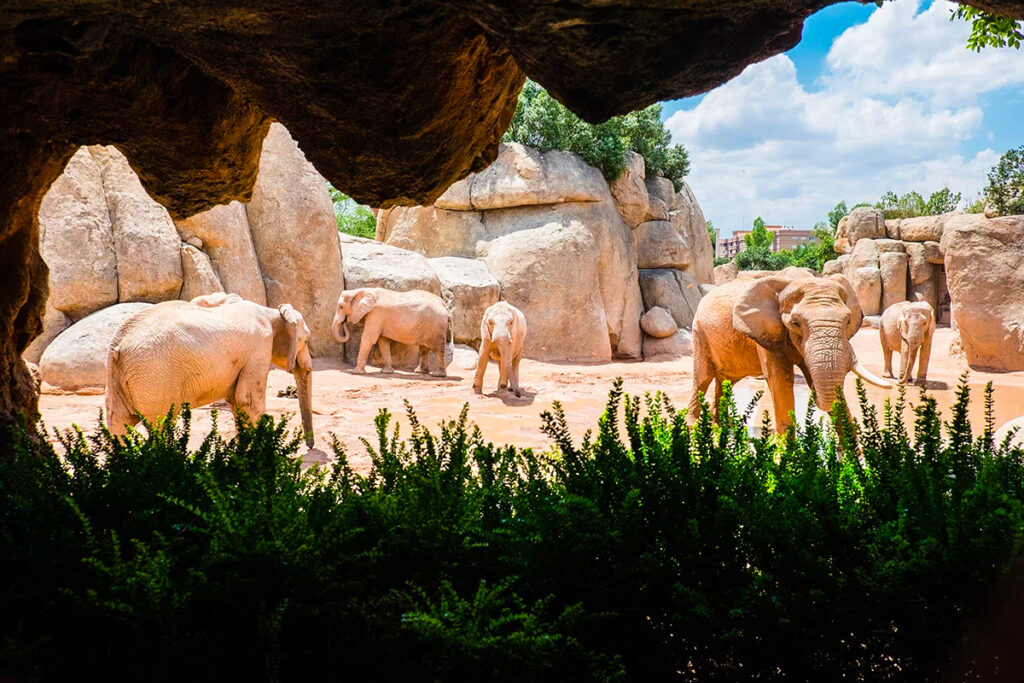
The idea behind the park is called zoo-immersion. Rather than looking at animals in a pen, you immerse yourself in a careful recreation of their natural habitats and whole ecosystems. The green space covers 100,000 m², roughly the size of 14 football pitches. Every corner is planted with African flora, including baobabs, so the vegetation is just as much part of the show as the animals. Every zone lets you discover a different corner of Africa, which makes the park very different from the city zoo you might remember from childhood.
Is Bioparc Valencia worth visiting?
For most visitors, yes. In 2026 Bioparc Valencia confirmed its place among the world’s top 10 animal parks and Europe’s top 5, based on ratings and reviews on TripAdvisor and Minube. It’s an easy half-day trip from the old town, and you can combine it with a walk or bike ride through the Turia Gardens. Families love it, but adults travelling without children usually leave just as impressed.
Is Bioparc Valencia ethical? The park takes part in European breeding programmes for endangered species, including African elephants, western lowland gorillas and ring-tailed lemurs. Its foundation also supports conservation projects in the wild and in the Valencia region. If you prefer to see animals only in nature, no zoo will feel right. Still, as zoos go, Bioparc is one of the most thoughtfully designed in Europe.
The four habitats you’ll explore at Bioparc Valencia
The park is divided into four areas: the African savannah, the wetlands, the equatorial rainforest and the island of Madagascar. A single loop takes you through all of them, so you won’t miss a habitat even without a map. That said, the free Bioparc app and the park map at the entrance help you plan your route around the keeper talks.
African savannah - Giraffes, rhinos and the elephant herd
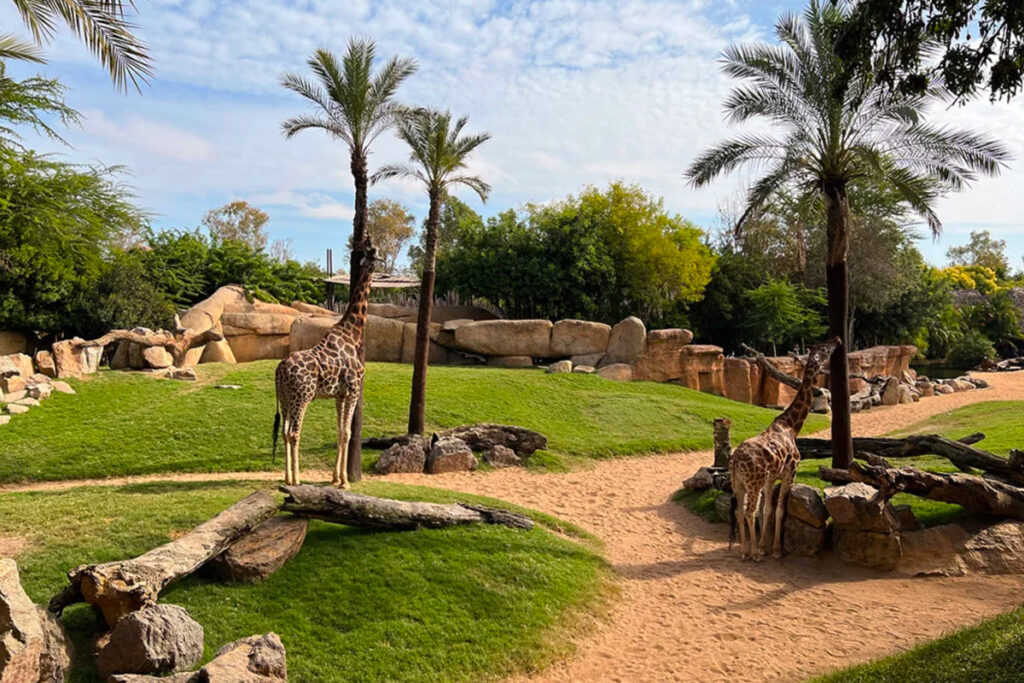
The savannah is the largest and most photogenic part of the park. Giraffes, zebras, antelopes and white rhinos share one open plain, while lions watch the scene from their rocky outcrop. Come in the morning, when the animals are most active, for the best photos.
The elephants live among giant baobabs and waterfalls. The park is the birthplace of Makena, the first elephant born in the Valencian Community, who arrived on 9 November 2022 after a pregnancy of 653 days. Watching the young elephant play with the rest of the herd is often the highlight of a visit.
African wetlands and the Kitum cave
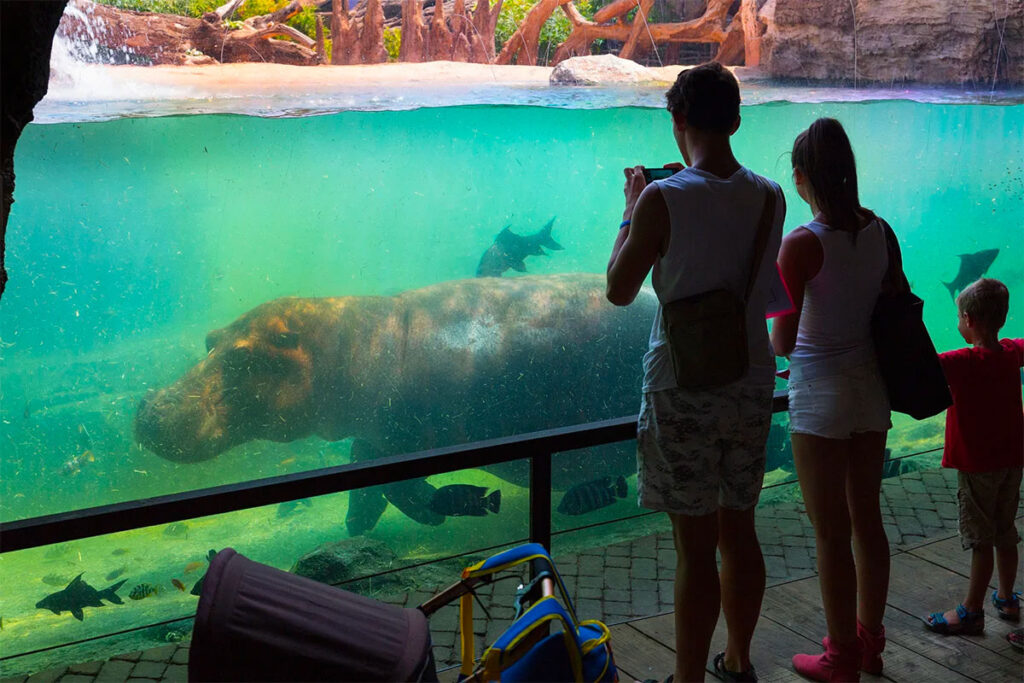
The wetlands recreate the Kitum cave on Mount Elgon in Kenya, which elephants dug deeper over thousands of years in search of mineral salts. Inside, you’ll find the only underwater view of hippos in Spain. Standing in front of the glass while a hippo glides past is a thrill for children and adults alike. Nile crocodiles and shoals of colourful cichlid fish complete the picture.
Equatorial rainforest - Gorillas, chimpanzees and leopards
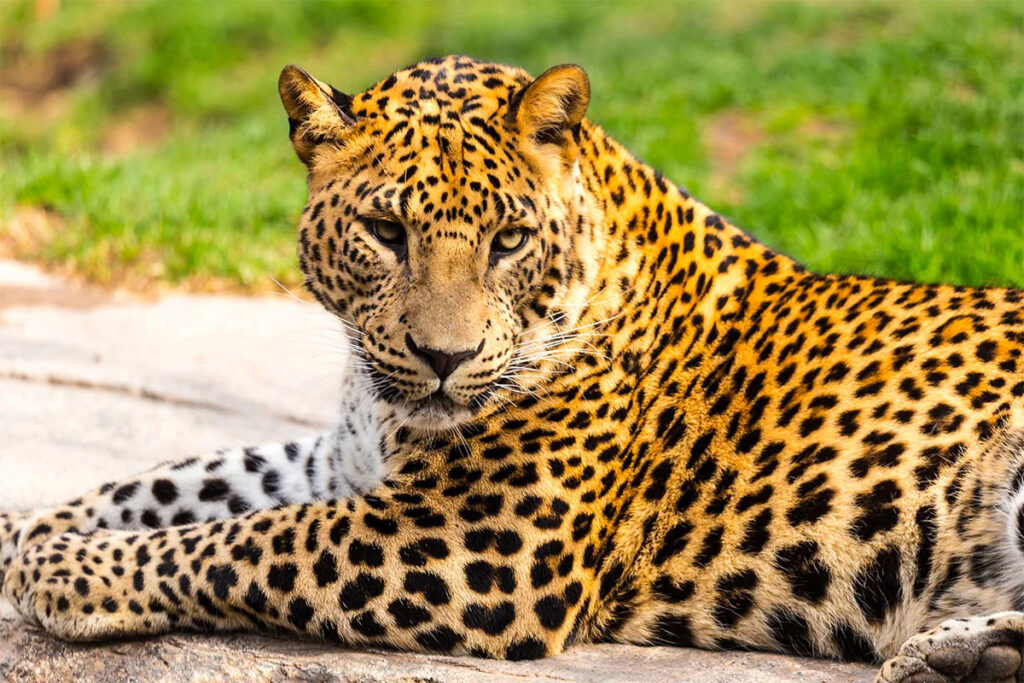
The rainforest environment is darker, greener and noticeably cooler on a hot day. The family of western lowland gorillas is one of the park’s biggest attractions. You’ll also see chimpanzees, leopards, pygmy hippos, red river hogs and forest buffalo. Look out for drills, one of Africa’s most endangered primates, which have bred successfully here.
Madagascar - Walk among the lemurs
Madagascar is the part of Bioparc Valencia most visitors talk about afterwards. Here you walk through a rainforest and a riverside forest with no barriers at all, surrounded by six species of lemur. It’s the only place in Spain where you can do this. The lemurs often climb down the branches to look at you, so keep your hands to yourself and let them come close.
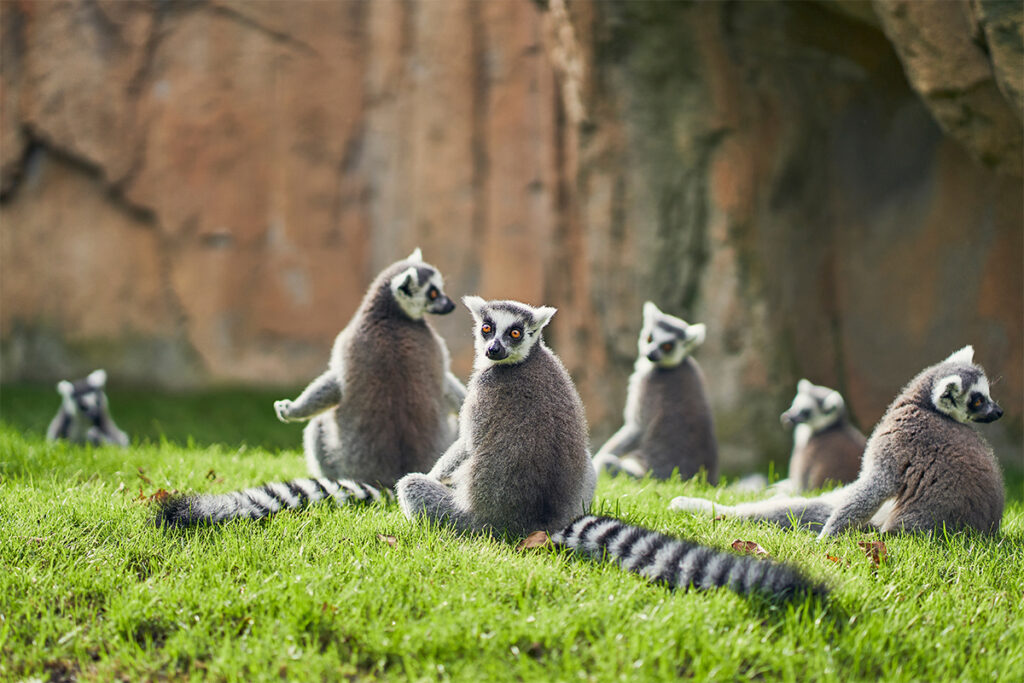
Entry times for the Madagascar walk-through vary with the season, so check the daily schedule when you arrive. You’ll also find the fossa here, Madagascar’s top predator and a distant relative of the mongoose.
Activities and keeper talks
Your admission ticket includes a programme of free activities that runs from opening to closing. Keepers and biologists give short talks at the enclosures, explaining how the animals live and how the park cares for them. There’s also a bird and mammal show in the amphitheatre and the “Mysteries of the animal world” session. Times change through the year, so check the schedule on the day of your visit and plan your route around the talks you don’t want to miss.
For an extra fee, you can try The Last Frontier, a virtual reality experience about threatened habitats. The park also hosts special events, such as Bat Night, which are worth checking if your dates are flexible.
How long do you need at Bioparc Valencia?
Expect to spend three to four hours on a relaxed visit that covers all four habitats and a couple of talks. Families with small children, or anyone who wants to see every activity, can easily spend the whole day. Once inside, you can stay until closing time. Remember that re-entry isn’t allowed without a new ticket, so plan lunch inside the park.
Bioparc Valencia tickets and opening hours
Bioparc Valencia is open 365 days a year. It usually opens at 10am (11am on 25 December and 1 January), while closing times vary with the seasons. In spring and summer, the park stays open until 8pm or 9pm, and in autumn and winter it closes earlier. Last entry is one hour before closing.
Entry works with time slots, so book online tickets in advance, especially at weekends, on Spanish public holidays and in July and August. Children under 4 get free admission, children aged 4 to 12 pay a reduced rate, and seniors also get a discount. Children under 14 must be accompanied by an adult. If you book through a reseller, check the cancellation terms before you pay.
How to get to Bioparc Valencia
The park is situated at Av. Pío Baroja, 3, in the Campanar district, on the edge of Parque de Cabecera and about 4 km west of the old town of Valencia. The easiest way to reach it is by metro on lines 3, 5 or 9 to Nou d’Octubre, followed by a 10-minute walk. EMT buses 98 and 99 stop right at the park gate, while lines 73 and 95 stop at the Nou d’Octubre bridge.
A more scenic option is to walk or cycle along the old Turia riverbed, a green corridor that runs right across Valencia. The park has bike parking, and your ticket gives you a discount on bike hire from partner companies. If you’re arriving from another city, the bus station lies on the edge of the riverbed, and you can compare train and bus connections before you travel.
Drivers will find a private car park next to the entrance for vehicles up to 2.10 m high. It’s a convenient choice if you’re touring the region with a hire car, especially with small children.
Where to eat at Bioparc Valencia
Outside food and drink isn’t allowed, apart from water in non-glass bottles. The main Samburu restaurant has the best views of the savannah, with air-conditioned dining rooms and two terraces. Next door, the Kidepo café serves coffee, pastries and sandwiches with a view of giraffes and antelopes. In the Ndoki area you’ll find kiosks with burgers, salads and children’s menus, plus Ndoki’s Corner with hot dogs and other fast food next to the playground. Most restaurants offer gluten-free options, and staff can show you an allergen chart.
Tips for visiting Bioparc Valencia with children
Bioparc is one of the best family attractions in Valencia. Kids aged 2 to 12 can let off steam at the playground next to the Ndoki area, which parents can keep an eye on from the terrace. A few practical tips will make the day easier:
- Arrive at opening time, when gorillas, lions and elephants are at their most active.
- In summer, head for the shady rainforest paths during the hottest part of the day.
- Bring a reusable water bottle and a power bank, which you can also rent at the park.
- Bicycles, scooters, balls and balloons aren’t allowed inside.
What to see near Bioparc Valencia
From the park, you can follow the Turia Gardens east all the way to the historic centre. The walk takes about an hour, past bridges, fountains and sports pitches. Finish at the Gothic Valencia Cathedral and the lively squares around it.
If you’re an animal lover, save another day for the City of Arts and Sciences. It’s home to Oceanogràfic, the largest aquarium in Europe, along with several science museums. Together with Bioparc, it makes a perfect two-day plan for families in Valencia.
Practical information
- Bioparc Valencia tickets are best bought in advance. This way, you’ll avoid long queues at the ticket office and won’t risk finding your time slot sold out.
- Address: Av. Pío Baroja, 3, Campanar, 46015 València, Spain
- Buy tickets on GetYourGuide
Hotels near Bioparc Valencia
Thanks to its location in the west of Valencia, close to the Conference Centre and the trade fair grounds, Bioparc is surrounded by modern, practical hotels. If you’d rather sleep among the old town’s lanes, the Turia Gardens link the historic centre to the park, an easy walk or short bike ride away. Here are three options for different budgets.
💰 Hotel Beleret
A friendly, good-value hotel in Benimàmet, about 3.5 km from Bioparc and a short walk from the trade fair grounds. The 70 rooms are spacious and air-conditioned, and the hotel has a café, bar and restaurant for an easy breakfast before your visit. A bus stops just outside the door, and the Les Carolines metro station is five minutes away. It’s a smart pick if you want a quiet, local base and a lower bill than in the centre.
🏨 Meliá Valencia
This 4-star hotel occupies the tallest building in Valencia, right next to the Conference Centre and about a 6-minute drive from Bioparc. Its 303 bright rooms look out over the city, and the 30th-floor terrace is the highest viewpoint in town. The Socarrat restaurant specialises in Valencian paella, and families will appreciate the children’s play area. Beniferri metro station, a few minutes’ walk away, takes you straight to the centre.
💎 Caro Hotel
A 5-star boutique hotel in a 19th-century palace, just 200 metres from Valencia Cathedral and a minute from the Turia Gardens. Its oldest features include a 2nd-century Roman mosaic and a stretch of the 13th-century Moorish city wall. Each of the 26 rooms has its own design, and the outdoor pool is open all year round. In 2024 the hotel received a Michelin Key. It’s ideal for a special city break, with a morning bike ride to Bioparc.

