Most big-city zoos sit on the edge of town. This one has been tucked inside a 19th-century park in the old centre since 1892, a short walk from the beach and the Gothic Quarter.
Barcelona Zoo, or Parc Zoològic de Barcelona, is one of the oldest zoos in Spain and an easy half day out with children in the middle of the city. It opened in 1892 in Parc de la Ciutadella, on a site used for the Universal Exhibition of 1888, and it grew from the private animal collection of the banker Lluís Martí i Codolar. Today it covers about 13 hectares and is home to mammals, birds, reptiles and amphibians from every continent. It was also, for almost four decades, the home of Snowflake, the only known albino gorilla.
In this article you’ll find what to see first, which areas children love most, how long to spend there, how to get to the zoo entrance, where to eat and where to stay nearby. If you’re planning a longer trip, our guide to Barcelona has the rest of the city covered.
💰 Hostal Nuevo Colón - a simple, good-value guesthouse right next to Ciutadella Park.
🏨 Park Hotel - a modern hotel with a rooftop pool, about 200 metres from the park.
💎 Hotel Arts Barcelona - an upmarket seafront hotel in Port Olímpic with sea-view pools.
Where is Barcelona Zoo located?
The zoo is located inside Parc de la Ciutadella, the green park between the El Born district, the Arc de Triomf and the Vila Olímpica. It’s a 10 to 15-minute walk from the Gothic Quarter and Barceloneta beach, so it’s easy to fit into a day of sightseeing.

Since 20 July 2026 the only zoo entrance is the one inside Ciutadella Park, as the Wellington Street entrance is temporarily out of service. Walk into the park and follow the signs rather than heading for the streets around the zoo. Some areas are closed while the zoo is being improved, but the rest stays open to visitors as usual.
A short history of the zoo in Barcelona
The zoo opened on 24 September 1892, when Martí i Codolar’s collection was handed over to the city. Over the 20th century it became one of the best known zoos in Europe. Its most famous resident was Snowflake (Copito de Nieve in Spanish, Floquet de Neu in Catalan), a western lowland gorilla with white fur who arrived in Barcelona in 1966. He became a symbol of the city and lived at the zoo until his death in 2003, after he developed skin cancer.
The zoo has changed a lot since then. The first part of the Sahel area, with giraffes in a recreated African savannah, opened in 2015 and has grown since. Dolphin shows ended the same year, and in 2020 the last dolphins were moved to Attica Zoological Park in Greece. The old Aquarama pool, which opened in 1968, is being turned into a reserve for animals whose enclosures are being rebuilt. In December 2024 the zoo lost Yoyo, an African elephant of 54, who was thought to be one of the oldest African elephants in the world.
In 2016 the city began working on a new model for the zoo, with more weight on conservation, research, education and native biodiversity. Large species such as elephants are expected to leave over time, so the line-up of animals will keep changing.
Barcelona Zoo today: works and new spaces until 2030
In October 2025 the zoo started the largest renovation in its history, planned to be complete by 2030. The centrepiece will be the Bioscope, a 3,000 m² centre that mixes live animals with immersive technology. It will stand on the corner of Wellington and Pujades streets, where the jaguars and Sri Lankan leopards live today.
Two more spaces are on the way. Discovering the Mediterranean will bring together native fauna and explain the problems facing river deltas, while Islands will show how islands work as natural laboratories, with Galápagos tortoises and endangered Balearic species such as the ferreret, a tiny midwife toad from Mallorca. Until then, expect some building work and the odd closed enclosure.
The zoo has recently made headlines for conservation work too. In 2025 Pityusic wall lizards, a species found only on Ibiza and Formentera, hatched here as part of a breeding project with the Balearic government, and the immersive Cuida’ls exhibition opened to show visitors why biodiversity matters.
Barcelona Zoo animals you shouldn’t miss
The zoo is home to many different species, from big cats to tiny frogs. It works with European breeding programmes for endangered species at risk of extinction, and many of the enclosures show animals in recreated natural habitats rather than simple cages. These are the areas to put at the top of your list.

The Sahel Savannah
The Sahel Savannah is the zoo’s newest large area, planted with vegetation from the African Sahel. Here you’ll see giraffes, lions and other African species in open spaces that look much like their habitats in the wild. It’s the best spot for photos, and the animals are often most active in the morning.
Gorillas and primates
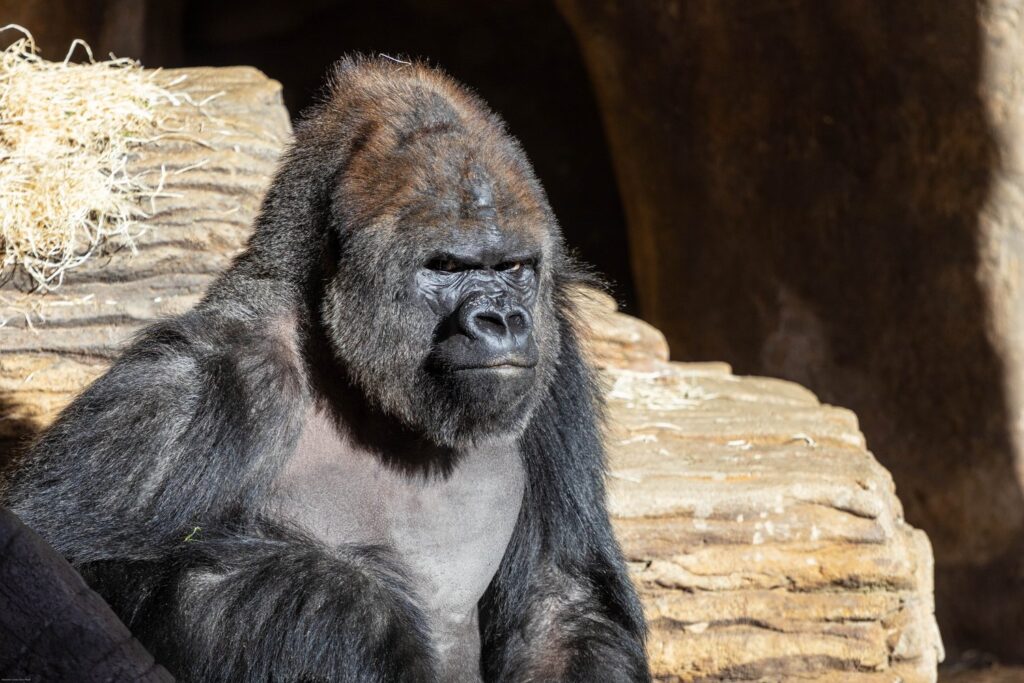
The Gorilla Space tells the story of these great apes, including Snowflake, with interactive displays for children. The primate galleries are home to many smaller monkeys, including De Brazza’s monkeys, Barbary macaques and talapoins. In the Marmoset Gallery you walk among tamarins and marmosets from South America.
Land of Dragons
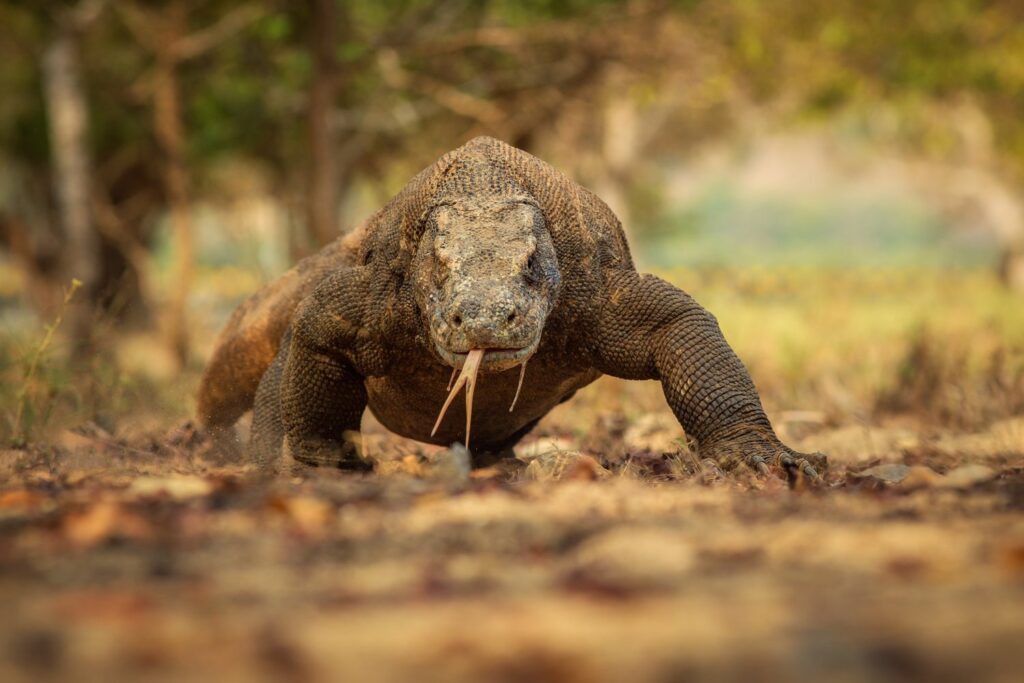
The Land of Dragons is dedicated to animals from Asia and the Pacific. The stars are the Komodo dragons, the largest lizards in the world, but you’ll also find muntjac deer, a small species of deer from Asia.
The Terrarium
The Terrarium opened in 1972 and holds one of the largest collections of reptiles and amphibians in Europe. Inside there are snakes, crocodiles, tortoises and colourful frogs in warm, humid rooms. It’s a good place to go when it’s very hot or wet outside.
Aviaries, macaws and cockatoos
Birdwatchers and nature lovers will enjoy this part of the zoo. The Aviarium, the zoo’s main aviary, houses around 70 bird species, and the Palm Grove near the entrance has thirteen aviaries with macaws, cockatoos, parrots and parakeets. There’s also a large dome-shaped flight aviary with wetland birds that fly over your head.
Sea lions and other animals
California sea lions are among the most playful animals at the zoo, and it’s fun to watch them swim and dive. Other animals include hippos, cheetahs, meerkats and gazelles, while the jaguars and Sri Lankan leopards live in the area where the new Bioscope will be built.
The Farm and other things to do with children
The Farm is the area younger children usually like best. They can meet goats, sheep, pigs, cows, ponies and donkeys, including the Catalan donkey, a local breed. It’s a gentle way to learn about farm animals, their diets and habits.

The zoo also runs family activities, holiday camps and birthday visits. One of the most popular formats is Meet the Keepers, short talks where the keepers introduce an animal and answer questions. The topics change, so ask at the entrance what’s on during your visit.
Barcelona Zoo opening hours
Barcelona Zoo is open every day of the year from 10am, apart from the afternoon of Christmas Day. The closing time changes with the season, from 4.30pm on autumn and winter weekdays to early evening in summer, so check the opening hours for your date before you go. The ticket office and the entrance close 30 minutes before the zoo does, so don’t arrive too late.
The best time to visit is in the morning, when it’s cooler and many animals are more active. In July and August, the middle of the day can be very hot, and some animals spend it in the shade. Weekday mornings outside the school holidays are the quietest.
How much time do you need at Barcelona Zoo?
Most people spend three to four hours at Barcelona Zoo. That’s enough to see the Sahel Savannah, the primates, the Terrarium and the Farm at a relaxed pace. With small children, plan for breaks, as the paths are long and there’s a lot to take in.
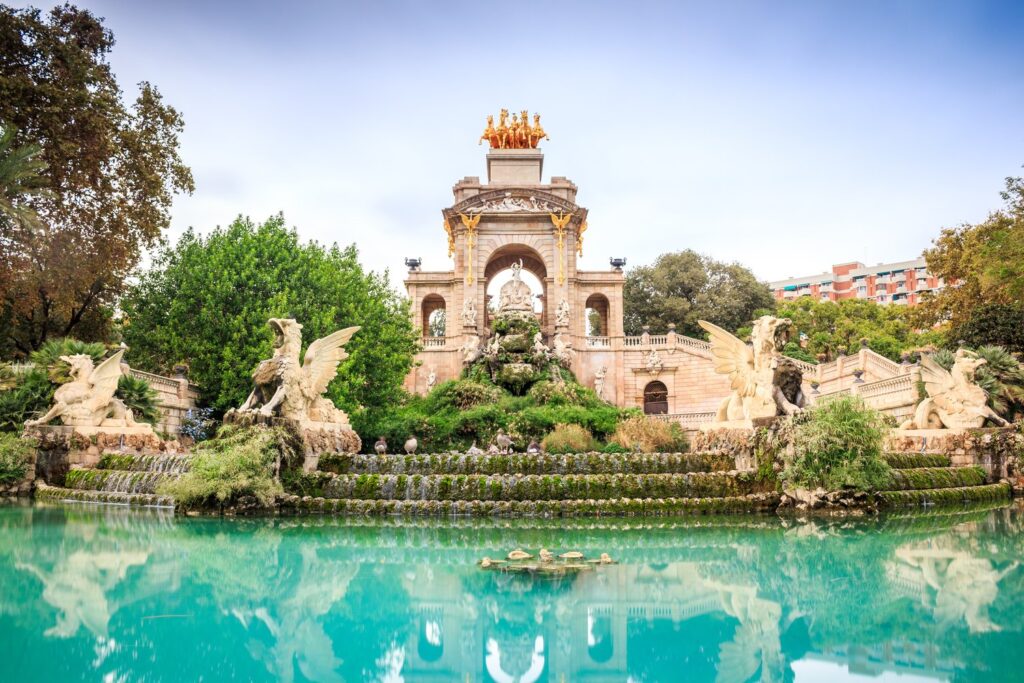
If you only have a couple of hours, start with the Sahel Savannah and the gorillas, then visit the Land of Dragons and finish at the Farm. Pack some food and water, and afterwards you can stay in Ciutadella Park for a picnic, a boat on the lake or a look at the Cascada fountain.
Where to eat at Barcelona Zoo and other facilities
You can bring your own food and drink, and there are two picnic areas marked on the zoo map, with recycling bins next to the tables. If you’d rather eat on site, La Dama serves seasonal Mediterranean food every day from 10.30am until 30 minutes before closing, and you can book a table online. At weekends and on public holidays, El Xaloc, a takeaway cafeteria with a terrace in the Sahel area, is handy for a quick snack.
The facilities are good for families. There are free lockers at the entrance, baby-changing tables in the toilets, a breastfeeding room, play areas for children and a first-aid point next to the Aviary. In summer, bring sun cream, a hat and plenty of water.
Is Barcelona Zoo accessible?
Yes. The zoo says all its exhibits and facilities are adapted for people with reduced mobility, and the wide paths are easy with a pushchair. If you don’t normally use a wheelchair but would like one for the day, you can borrow one free of charge at the ticket office by the Ciutadella entrance, subject to availability. Assistance dogs are welcome.
How to get to Barcelona Zoo
The easiest way to get to the zoo is by metro. Take line L1 to Arc de Triomf and walk through the park, or line L4 to Ciutadella | Vila Olímpica, about ten minutes away on foot. The T4 tram stops at Wellington, close to the park.
Several city buses stop around Parc de la Ciutadella, and the red route of the Barcelona Bus Turístic stops at Port Olímpic - Zoo. Driving into the centre isn’t worth it, as parking is limited and expensive, and if you want a hire car for day trips, pick it up after your days in the city.
Barcelona Zoo tickets and the Zoo Club
Tickets cover the whole zoo, and prices depend on age. Children under 3 go free, there are child tickets for ages 3 to 12, and visitors over 65 pay a reduced rate. Adult and child tickets can be booked online, which is the easiest option at weekends and in school holidays. Keep in mind that you can’t leave the zoo and come back in on the same ticket.
If you live in the city or plan to come back several times, the Zoo Club membership is worth a look, as it’s valid for 12 months. The Barcelona Card doesn’t include free entry, but it gives you a discount on zoo tickets. Families with a large-family or single-parent card also get 20% off at the ticket office.
Tips for visiting Barcelona Zoo
- Arrive at 10am, when many animals are most active and the paths are still quiet.
- Start with the Sahel area and the gorillas, then work your way towards the Farm.
- Check the zoo map for the picnic areas and for enclosures closed because of the works.
- Don’t feed or touch the animals, and switch off the flash when you take photos.
- Leave large umbrellas and skateboards at your hotel, as they aren’t allowed inside.
- Finish with a stroll in Ciutadella Park, past the Cascada fountain and the boating lake.
Is Barcelona Zoo worth visiting? A note on animal welfare
For most families, yes. It’s right in the city centre, the Sahel area, the Terrarium and the Farm are highlights, and you can combine your visit with a lazy afternoon in Ciutadella Park. It isn’t the biggest zoo in Spain, though, and while the works go on some enclosures may be closed.
Zoos also divide opinion, and Barcelona Zoo is part of that debate. Critics have long said that some older enclosures are too small for large animals, and the city has since ended the dolphin shows and decided to phase out species such as elephants. Today the zoo puts more weight on breeding programmes, research and native wildlife. If animal welfare matters to you, read up before you go and decide for yourself.
Barcelona Zoo or the aquarium?
Both are good choices for families, but they offer very different experiences. Barcelona Zoo is better if you want to spend a few hours outdoors and see big animals like giraffes, lions and gorillas. L’Aquàrium de Barcelona at Port Vell is indoors, compact and great on a rainy day, with a long shark tunnel.
With a few days in the city, you can easily do both, and on a rainy day you can also swap the zoo for one of Barcelona’s museums. For more family ideas, ride the Montjuïc cable car or visit Casa Milà, whose rooftop is a hit with kids. Football fans can add Camp Nou.
Practical information
- Barcelona Zoo tickets are best bought in advance. You’ll skip the ticket queue at the entrance and save time on busy days.
- Address: Parc de la Ciutadella, s/n, 08003 Barcelona, Spain
- Buy tickets on GetYourGuide
Hotels near Barcelona Zoo
The streets around Parc de la Ciutadella, in El Born and towards the Port Olímpic, are a great base for the zoo and for exploring the old town on foot. These three hotels are a short walk from the park.
💰 Hostal Nuevo Colón
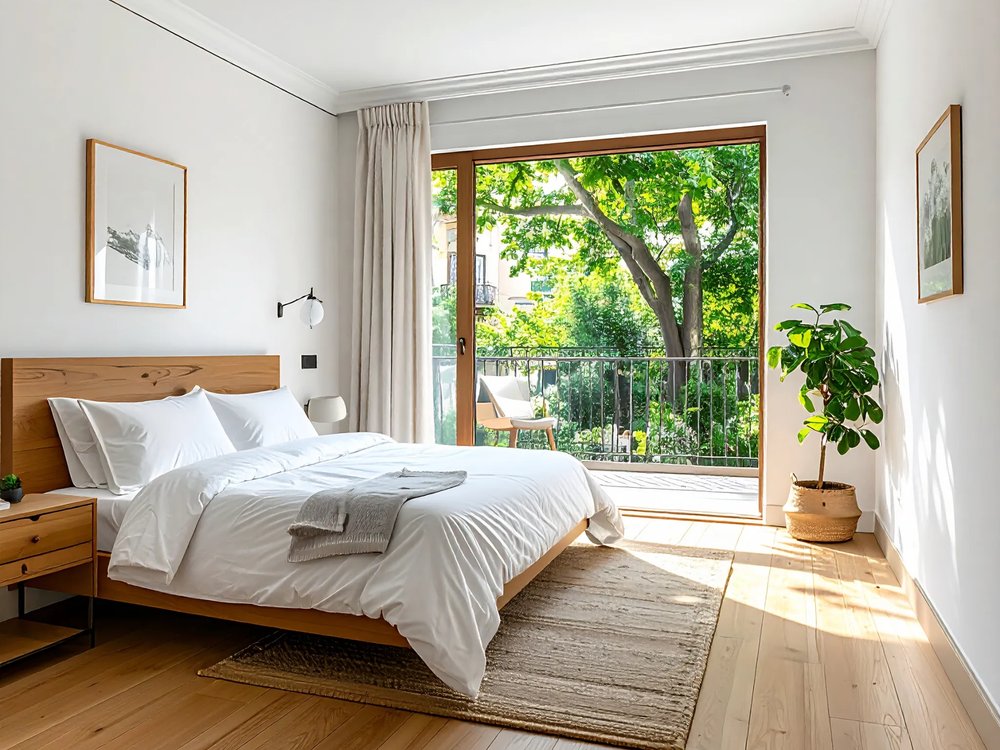
A simple, good-value guesthouse on Avinguda del Marquès de l’Argentera, right next to Parc de la Ciutadella. You can choose rooms with a private or shared bathroom, and some have a balcony. It’s a practical base for families and budget travellers who want to walk to the zoo, El Born and the beach.
🏨 Park Hotel
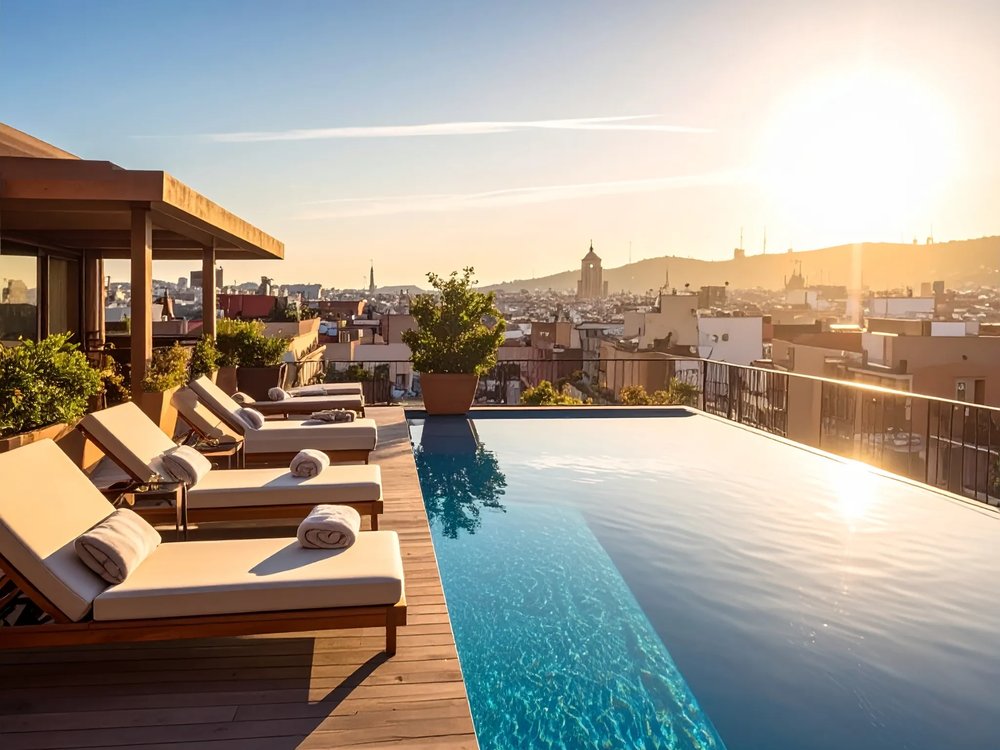
A modern hotel on the same avenue, about 200 metres from Ciutadella Park and the Mercat del Born. It has a rooftop pool and sun deck, family rooms and the on-site Ten’s Tapas restaurant by chef Jordi Cruz. Barceloneta beach is about a ten-minute walk away.
💎 Hotel Arts Barcelona

An upmarket hotel in a 44-storey tower on the seafront at Port Olímpic, next to Frank Gehry’s giant fish sculpture. There are large outdoor pools on a sea-facing terrace, a spa on the 43rd floor and sweeping views of the sea and the city. The nearest metro stop is Ciutadella | Vila Olímpica, the same station you can use for the zoo.
Barcelona Zoo FAQ
Can you bring your own food to Barcelona Zoo?
Yes, you can bring your own food and drink into Barcelona Zoo. There are two picnic areas with tables, and you’ll also find La Dama restaurant and, at weekends and on public holidays, a takeaway cafeteria in the Sahel area.
How long does it take to go through Barcelona Zoo?
It takes about three to four hours to see most of Barcelona Zoo at a relaxed pace. With very young children you might prefer a shorter visit focused on the Farm, the Sahel Savannah and the gorillas.
Was there a white gorilla at Barcelona Zoo?
Yes, Barcelona Zoo was home to Snowflake (Copito de Nieve), the only known albino gorilla. He arrived in 1966 and lived at the zoo until his death in 2003.
What animals are at Barcelona Zoo?
Barcelona Zoo has giraffes, lions, gorillas and other primates, Komodo dragons, sea lions, hippos and many species of birds, reptiles and amphibians. The Farm adds goats, sheep, pigs and donkeys for younger visitors.
Does Barcelona Zoo still have dolphins?
No, Barcelona Zoo no longer has dolphins. The dolphinarium closed in 2020, and the last dolphins were moved to Attica Zoological Park in Greece.
Is Barcelona Zoo open every day?
Yes, Barcelona Zoo is open every day of the year from 10am, apart from the afternoon of Christmas Day. Closing times change with the season, and the entrance closes 30 minutes before the zoo does.

