By day it’s a quiet university town where people cycle along the river. By evening the arcades fill with locals, wine glasses and the smell of fresh pastries.
Girona is one of the most beautiful small cities in Catalonia, and it sits only 40 minutes from Barcelona by high-speed train. Its old town climbs a hillside above the Onyar river, with a Gothic cathedral on top, one of the best-preserved Jewish quarters in Europe and medieval walls you can walk along for free. In this article you’ll find the best things to do in Girona, a two-day plan, where to eat, how to get there and the easiest day trips from Girona into the Costa Brava and the volcanic hills of La Garrotxa.
💰 Pensió Bellmirall - Family-run guesthouse in a 14th-century stone house behind the cathedral.
🏨 Hotel Museu Llegendes de Girona - Four-star hotel by the river with rooms themed on local legends.
💎 Palau Fugit - Boutique hotel in an 18th-century palace in the heart of the Barri Vell.
Things to do in Girona - why it’s worth a weekend
Girona, Spain is a city of about 100,000 people, around 100 km north-east of Barcelona and close to the French border. It’s the capital of the province that includes the whole Costa Brava, so it makes a handy base for both culture and beach days. The Romans founded it as Gerunda, and over the centuries it was besieged so many times that locals call it “the city of a thousand sieges”.

The heart of Girona city is the Barri Vell, the historic centre on the east bank of the river. Its steep lanes, stairways and arches are perfect for wandering, and almost everything worth seeing is within a 15-minute walk. On the other bank you’ll find the modern centre, the train station and most of the shops. Girona is also a famous training base for professional cyclists, so don’t be surprised to see riders heading out towards the Pyrenees early in the morning. The city is compact, safe and relaxed, which is why so many visitors who come for a day wish they had booked a weekend. Most things to do in Girona are free, from walking the walls to crossing the bridges, so it also works well on a budget.
Girona Cathedral and its Baroque staircase
The Cathedral of Saint Mary towers over the old town at the top of a grand Baroque staircase of almost 90 steps. Most of the building is Gothic, and its single nave is about 23 metres wide, the widest Gothic nave in the world. Standing inside, without a forest of columns to block the view, you really feel the scale of the space.

Don’t miss the Romanesque cloister and the treasury museum, home to the Tapestry of Creation. This embroidered wall hanging from around the year 1100 shows Christ surrounded by scenes of the creation of the world, and it’s one of the great treasures of Romanesque art. The bell tower, known as the Torre de Carlemany, is the oldest part of the cathedral.
Your cathedral ticket usually also covers the nearby Basilica of Sant Feliu, so keep it for later in the day. Most visitors need about an hour for the cathedral, cloister and treasury. The cathedral steps look best early in the morning, before the tour groups arrive from Barcelona.
El Call, the Jewish quarter
El Call is the name of Girona’s medieval Jewish quarter, and it’s one of the most atmospheric corners of the city. For about 600 years, until the expulsion of the Jews from Spain in 1492, a thriving Jewish community lived in this maze of narrow lanes, stone stairways and hidden courtyards. The main street, Carrer de la Força, follows the line of the old Roman road.

The Museum of Jewish History, in the Bonastruc ça Porta centre, which the city bought in 1987, tells the story of the community through tombstones, documents and everyday objects. It’s named after the 13th-century scholar better known as Nahmanides, who was born in Girona. Even if you skip the museum, take time to get lost in the alleys of the Jewish quarter, such as Sant Llorenç and Cúndaro, where the light falls in narrow strips between the walls.
Walk the city walls (Passeig de la Muralla)
The Passeig de la Muralla follows the medieval city walls around the eastern edge of the Barri Vell. Parts of them date back to Roman times, and the rest were rebuilt in the Middle Ages and restored in the 20th century. The walk is free, open every day and covers well under a mile, so the whole circuit takes 30 minutes to an hour.

The best section starts near the Jardins de la Francesa, behind the cathedral. From the towers you get panoramic views over the cathedral, the rooftops of the old town and, on a clear day, the snowy Pyrenees. It’s one of the best free things to do in Girona, especially at sunset. Wear comfortable shoes, because there are plenty of steps and some parts have no railings.
The colourful houses and bridges of the Onyar
The postcard view of Girona is the row of red, yellow and ochre houses that hang over the Onyar river. These Cases de l’Onyar were built against the old walls, and their bright colours were chosen by local artists in the 1980s. The best photos are from the bridges, especially at golden hour, early in the morning or just before sunset.

The red iron Pont de les Peixateries Velles is often called the Eiffel Bridge, because it was built in 1877 by the company of Gustave Eiffel, a few years before his famous tower in Paris. The stone Pont de Pedra, a little downstream, links the old town with the shopping streets of the Mercadal, and the wide Pont de Sant Agustí leads to the arcaded Plaça de la Independència. Cross both, then stroll along the Rambla de la Llibertat, the lively main street of the Barri Vell with its arcades and cafés, and the little Plaça del Vi with the town hall.
Arab Baths, Sant Feliu and the lioness
Despite the name, the Arab Baths (Banys Àrabs) were built by Christians in the late 12th century, copying the style of Islamic and Roman bathhouses. The highlight is the changing room, with a small octagonal pool surrounded by slim columns and a lantern in the roof that lets in a soft light. A visit takes only 20 to 30 minutes.

A few steps away, the Basilica of Sant Feliu was the city’s main church before the cathedral, and its tall bell tower lost its top during a lightning storm in the 16th century. Outside, at the foot of the steps, you’ll find a small stone lioness on a column. Local tradition says that if you kiss her bottom, you’ll come back to Girona one day. Expect a short queue on busy afternoons.
Game of Thrones filming locations in Girona
Girona played several cities in the sixth season of Game of Thrones. The cathedral steps became the Great Sept of Baelor in King’s Landing, while the lanes of the old town stood in for the streets of Braavos, where Arya Stark is chased through the market. The Arab Baths and the 12th-century Benedictine monastery of Sant Pere de Galligants, now home to the city’s archaeology museum, also appear in the series.
You can easily see all the locations on your own in a couple of hours. Fans who want the behind-the-scenes stories can join a themed guided walking tour, which also covers the history of the Barri Vell. Look out for photos of the filming in some of the local bars, too.
Where to eat in Girona and what to try
Girona has a serious food scene for its size. It’s home to El Celler de Can Roca, the restaurant of the three Roca brothers, which holds three Michelin stars and was twice named the best restaurant in the world. Tables are booked months ahead, but you can taste their creativity at Rocambolesc, the ice cream parlour of pastry chef Jordi Roca.
For a more everyday treat, try a xuixo, a sugar-coated fried pastry filled with crema catalana that was invented in Girona. Casa Marieta, on Plaça de la Independència, has served traditional Catalan dishes such as pa amb tomàquet and botifarra sausage since 1892. The terraces on the same square are the classic place for dinner, and the bars on the Rambla serve tapas and local wines from the Empordà. For picnic supplies, head to the covered Mercat del Lleó. Lunch is usually served from about 1.30pm to 4pm, and many locals don’t sit down for dinner before 9pm.
Festivals: Temps de Flors and Fires de Sant Narcís
If you visit Girona in spring, time your trip for Temps de Flors, the flower festival held every May. For about ten days, courtyards, churches and staircases across the old town are filled with flower installations, including the cathedral steps. It’s beautiful but busy, so book your hotel early.

In late October and early November, the city celebrates its patron saint during the Fires de Sant Narcís. There are funfairs along the river, concerts, castells (human towers) and parades of giants. The rest of the year is calmer. July and August can be hot, with temperatures in the mid-30s°C, so May, June, September and October are the most pleasant months for sightseeing.
Girona in 2 days - a weekend plan
On day one, start early at the cathedral and the Basilica of Sant Feliu, then lose yourself in El Call and visit the Museum of Jewish History. After lunch, see the Arab Baths and the monastery of Sant Pere de Galligants, then climb onto the city walls near the Jardins de la Francesa for sunset. Finish with dinner on Plaça de la Independència.

On day two, cross the Eiffel Bridge in the morning light and wander the Rambla de la Llibertat. Visit the Girona Art Museum or the Cinema Museum, which suits families, then head out to the green Vall de Sant Daniel for a short walk. In the afternoon, take a short trip out of the city to Besalú or the coast, or simply enjoy a long lunch and a xuixo before your train home.
Day trips from Girona - Costa Brava, volcanoes and Dalí
Girona is the best base for exploring north-east Catalonia. The medieval village of Besalú, with its fortified bridge, is about 35 minutes away by car or bus. A little further, the volcanic landscapes of La Garrotxa, with beech forests and the cliff-top village of Castellfollit de la Roca, are perfect for easy hikes.
Figueres is only 15 minutes away by high-speed train, so you can easily visit the Dalí Theatre-Museum in a morning. The Costa Brava beaches start about 40 minutes from Girona, from the medieval walls of Tossa de Mar to the busy resort of Lloret de Mar and the whitewashed village of Cadaqués. For the smaller coves and inland villages, hiring a car is by far the easiest option.
How to get to Girona
The fastest way is the high-speed train from Barcelona Sants, which takes about 40 minutes and runs many times a day. It’s one of the easiest day trips in Catalonia. Slower regional trains take around one hour and a half and are cheaper, and buses leave from Barcelona Nord bus station. You can compare train and bus times between Barcelona and Girona and book online. Girona train station is a 10 to 15-minute walk from the old town and the city centre.
Girona-Costa Brava Airport, usually just called Girona airport, about 13 km south of the city, has flights from several UK airports, mostly with low-cost airlines. A shuttle bus links it with Girona bus station in around 25 minutes. Inside the city you won’t need a car, because the Barri Vell is mostly pedestrianised and best explored on foot.
Hotels in Girona
For a weekend in Girona, stay in the Barri Vell or within walking distance of it, so you can step out of your door straight into the old lanes. These three hotels suit different budgets.
💰 Pensió Bellmirall
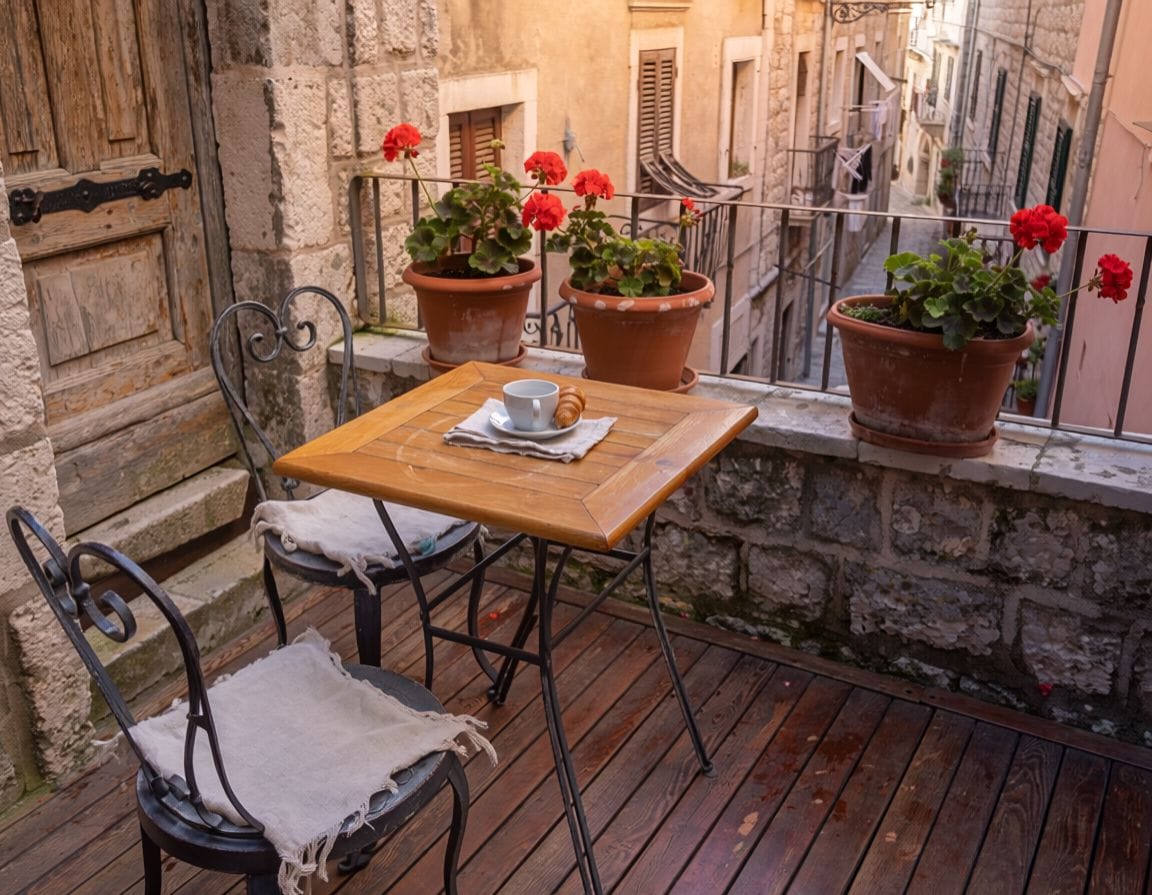
This small family-run guesthouse sits in a 14th-century stone house on a quiet lane behind the cathedral. Rooms are simple but full of character, with exposed stone walls and old wooden beams, and breakfast is served in a cosy room downstairs. It’s ideal for travellers on a budget who want to sleep in the heart of the old town and don’t need a lift or modern extras.
🏨 Hotel Museu Llegendes de Girona
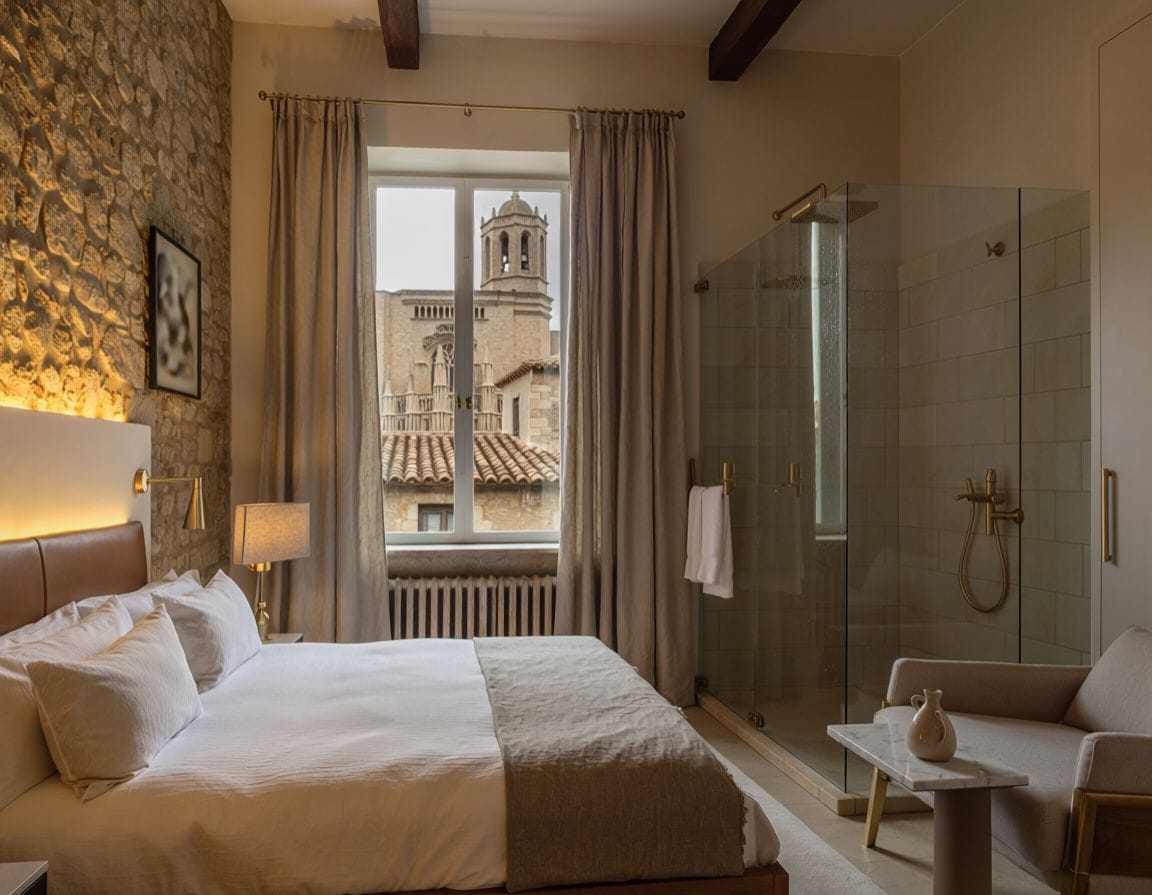
A four-star hotel on the river bank, right next to the colourful houses and a short walk from the Eiffel Bridge. Each room is themed around a local legend, and some have views of the cathedral and the old town. The breakfast is generous and the location is perfect for couples who want comfort and a central base for exploring on foot.
💎 Palau Fugit
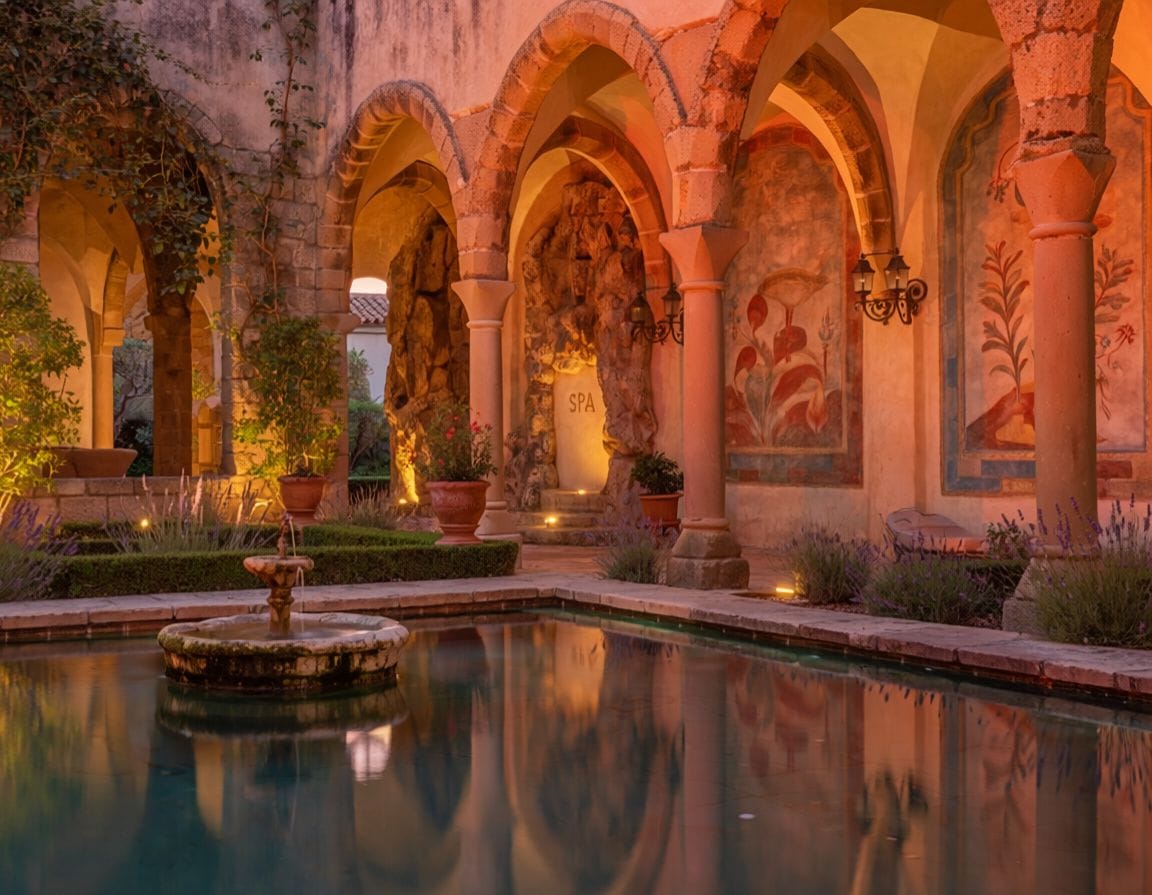
An elegant boutique hotel in a restored 18th-century palace in the heart of the Barri Vell, a short walk from the cathedral and El Call. Rooms combine original stone walls with stylish modern design, and some have private terraces. It’s the best choice for a special weekend or a romantic break, with quiet rooms and the whole Barri Vell on the doorstep.
Girona FAQ
Is Girona worth visiting?
Yes, Girona is well worth visiting. It has a Gothic cathedral, a medieval Jewish quarter, walkable city walls and excellent food, all in a compact and relaxed old town. It’s also a great base for the Costa Brava and the Dalí sights.
How many days do you need in Girona?
One full day is enough to see the main sights of the old town. Two days let you enjoy it at a slower pace, walk the whole city walls and add a museum or a day trip to Besalú, Figueres or the coast.
Can you do a day trip to Girona from Barcelona?
Yes, Girona is an easy day trip from Barcelona. The high-speed train takes about 40 minutes, and the station is a short walk from the old town. Many organised tours also combine Girona with Figueres or the Costa Brava in one day.
Which Game of Thrones scenes were filmed in Girona?
Girona appears in the sixth season of Game of Thrones. The cathedral steps were used for the Great Sept of Baelor, and the streets of the old town became Braavos. The Arab Baths and the monastery of Sant Pere de Galligants were also used as filming locations.
Is Girona a walkable city?
Yes, Girona is very walkable. The old town and the main sights are all within a 15-minute walk of each other, and the train station is close to the centre. Just be ready for plenty of steps and steep cobbled lanes.

